Around 2 tons of meat intended for gyro and souvlaki have been seized in Fier, while the Prosecutor’s Office has opened criminal proceedings against the entity “R Sauli”. The case raises serious questions not only about processing conditions, but also about state control filters, as the entity had previously been verified without problems.
Criminal proceedings over seized meat products
The Fier Prosecutor’s Office confirmed that it has registered criminal proceeding No. 2171/2026 for the offense of “Importing, producing, selling and storing food dangerous to people’s health or life,” provided for under Article 288 of the Criminal Code.
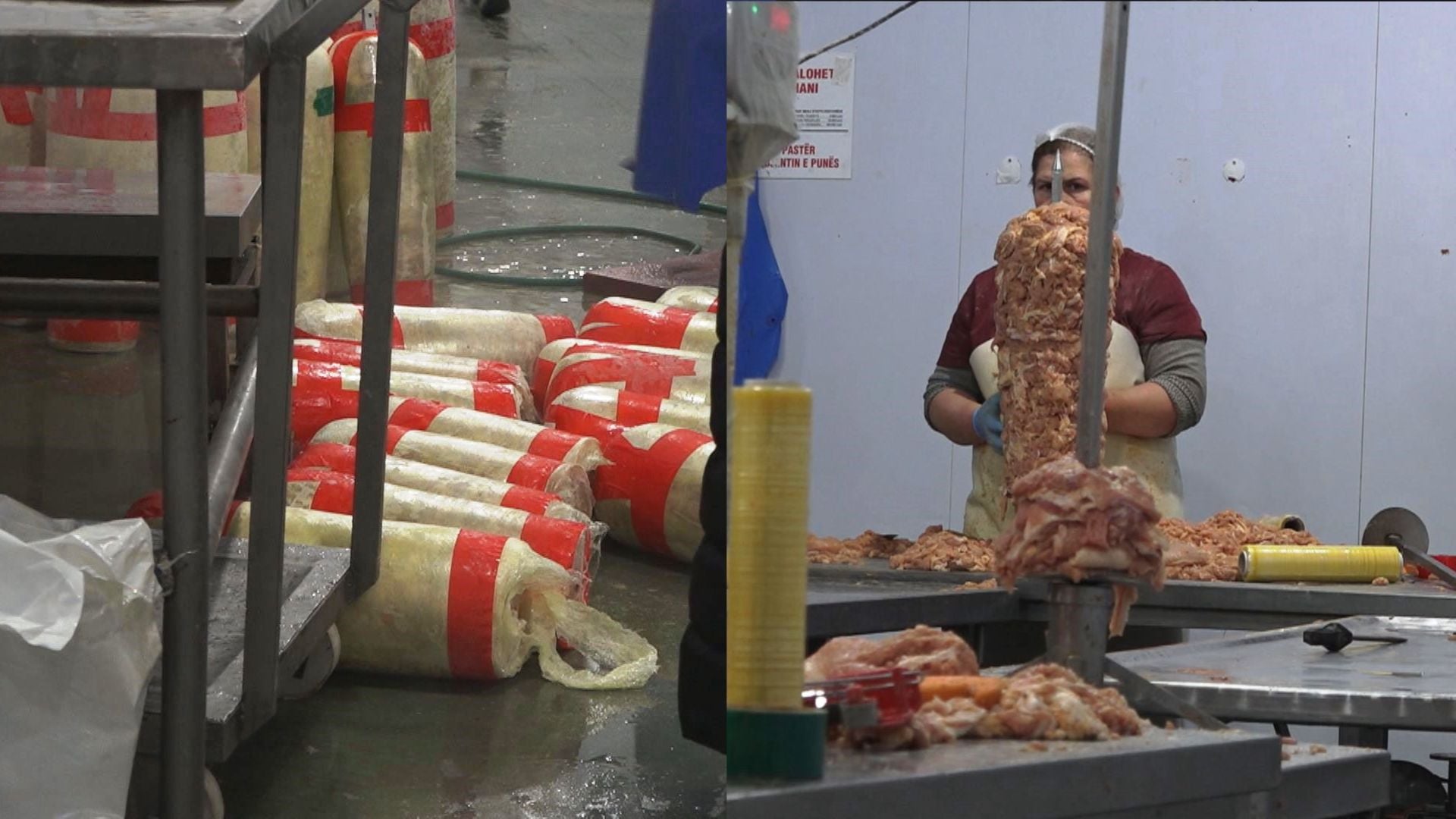
According to the official version, the inspection was carried out in coordination with the Police and the National Food Authority, while approximately 2 tons of meat products were seized during the intervention at the entity’s premises.
Suspicions began after a denunciation and on-site checks
The case emerged after a media denunciation raised suspicions that rotten meat was being sent to this processing point. The entity “R Sauli” supplied meat to fast-food outlets in Fier, Tirana and other cities in the country.
During checks at the warehouse premises, inspectors found products placed on the ground and meat spread across tubs, in conditions that raised strong questions about storage and processing hygiene.
Obstruction of verification and absence of the technical manager
According to information published by the investigative program that denounced the case, employees tried to obstruct filming and later also entry into the processing premises, while during the inspections there were attempts to clean up the dirt that had been found.
Later, administrator Renald Sauli also arrived at the scene. In addition to being the owner, he also held the role of technical manager. Asked about his absence during the processing operation, he admitted that this constituted a violation.
Previous inspection had found everything “in order”
One of the most problematic aspects of the case is linked to institutional oversight. According to information obtained during the investigation, the latest inspection of this entity had been carried out in August 2026, and at that time everything had been found to be in order.
This time, following the intervention of the Prosecutor’s Office, the Judicial Police and the National Food Authority, the situation appeared entirely different. The difference between the two moments adds to suspicions about the effectiveness of inspections and the way entities handling high-risk food products are monitored.
Tests expected to determine the condition of the meat
Although the initial denunciation spoke of rotten meat, at this stage the institutions have confirmed the seizure of the products and problems with storage and processing conditions. The conclusion on the actual condition of the meat is expected to come from laboratory analyses.
Investigations remain open, while the Prosecutor’s Office has said it is not providing further details due to investigative secrecy.
The case puts at the center not only the responsibility of the private entity, but also the oversight links that must guarantee food safety for consumers.
When a processing point supplying several cities passes inspections without problems and then faces a mass product seizure, the main question remains how effectively controls really work before food reaches citizens.