
A summer of extreme temperatures and a pronounced lack of moisture is pushing Europe toward a severe wildfire season. Data and expert assessments point to a combination of factors that is making the landscape more flammable and the response more difficult.
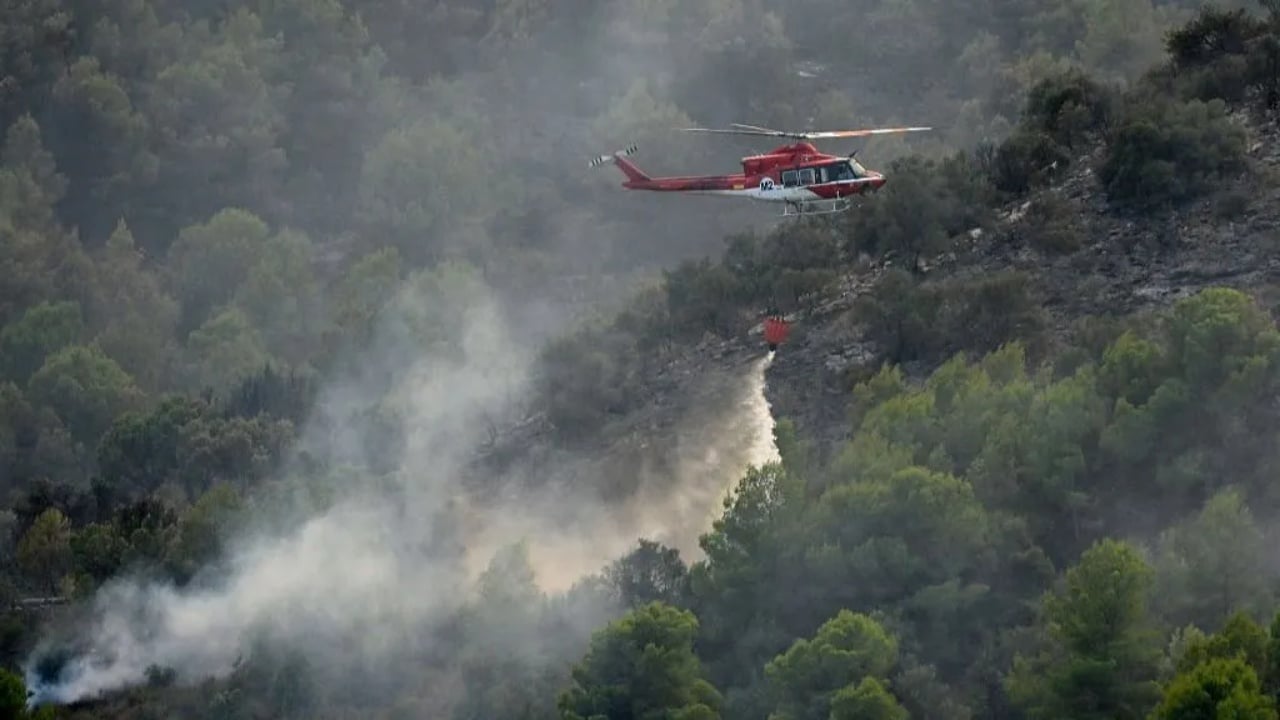
The conditions feeding the flames
According to experts, prolonged heat has dried out vegetation, creating conditions in which even a small spark can quickly turn into a major fire. The risk increases when soil and vegetation lose moisture over long periods.
This picture has also been shaped by a wet winter, which favored the growth of new vegetation. Then, with the arrival of heat and drought, this plant mass turned into easily combustible material.
What the data show at the continental level
Data from the European Forest Fire Information System, EFFIS, show that more area has burned in Europe this year than the average for the same period in previous years.
However, as of July 22, the burned area across the continent remains slightly lower than in 2025, considered the worst year ever recorded for wildfires.
France at the most alarming point
The most worrying situation is in France. More than 300 fires have been recorded there since the beginning of the year, a figure that is more than triple the annual average of 93 fires.
According to the French meteorological service Météo-France, soil moisture in France has fallen to the lowest level ever recorded for this time of year, a serious signal of the worsening season.
The climate crisis at the center of warnings
Experts link the worsening situation to the climate crisis, which they say is bringing higher temperatures and longer periods of drought.
These conditions sharply reduce moisture in the soil and vegetation, significantly increasing the likelihood that fires will spread quickly and become harder to bring under control.
The picture of this season is highlighting a Europe more exposed to wildfires, where extreme heat and drought are no longer seen as isolated episodes, but as recurring conditions with an ever-rising cost.
The figures show that the risk remains high, while affected countries are facing consequences that go beyond statistics, from the loss of forested areas to threats to public safety and ecosystems.