
The body of Luigi Cavallari, the husband of Italian minister Eugenia Roccella, was found on the morning of August 4 in the waters of Lake Vico, in the province of Viterbo, after a month of searches that began following his disappearance on June 27.
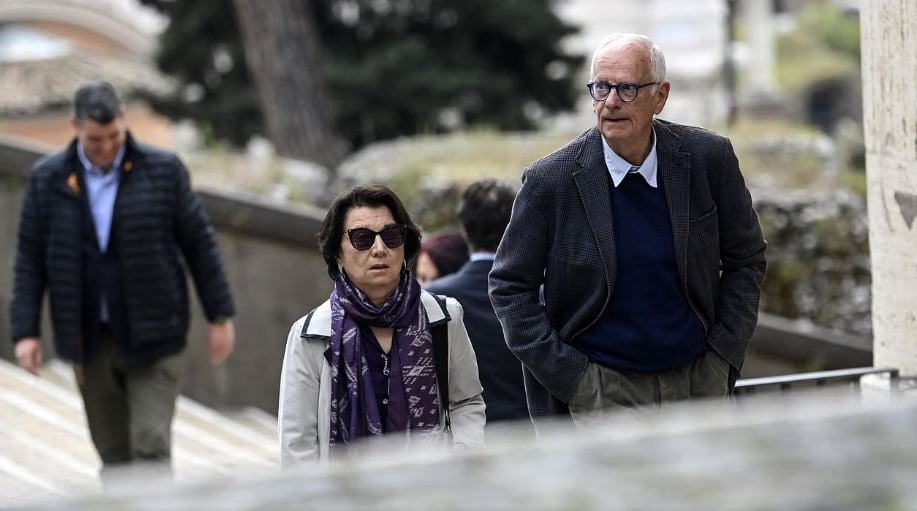
Disappearance after entering the water
According to information made public in Italy, Cavallari was on a boat on the lake together with his wife when he entered the water and did not resurface.
The alarm over his disappearance was raised by minister Eugenia Roccella herself, while the full circumstances of the incident remain subject to verification by the authorities.
Preliminary suspicions about the cause of death
The preliminary version circulating from the Italian authorities links the death to a health condition caused by thermal shock.
Until the case is fully clarified, this remains an initial assessment and not a final conclusion on the causes of death.
Difficult searches for more than a month
The search operations lasted more than a month and, according to the authorities, were hampered by difficult conditions in Lake Vico.
Limited underwater visibility, as well as the presence of mud, silt and algae on the lakebed, made it difficult to locate the body.
Sonar and underwater robots were used to scan the area, with teams checking the signals detected by the equipment.
Reaction of the Italian minister
After the body was found, Eugenia Roccella said that for the family, a long and difficult period of waiting had come to an end.
She thanked the structures involved in the search operation, including the Prefecture of Viterbo, firefighters, police, the Carabinieri, the Guardia di Finanza, as well as the institutions and residents of Ronciglione for their support.
According to her, the discovery of the body does not ease the pain of the loss, but it gives the family the chance to say a final goodbye to their loved one.
The incident has brought to a close a long and difficult search in an area where underwater conditions, according to the authorities, significantly complicated the response.
The case has renewed attention on the risks linked to diving and water incidents, especially in environments where terrain and visibility make any response far more complicated.