
The backlog crisis at the Court of Appeal is deepening: 48,000 cases are awaiting review, while the High Judicial Council has expanded the list of files that can enter an expedited procedure. The decision is presented as a relief measure, but it comes in a system that has long been producing more delays than solutions.
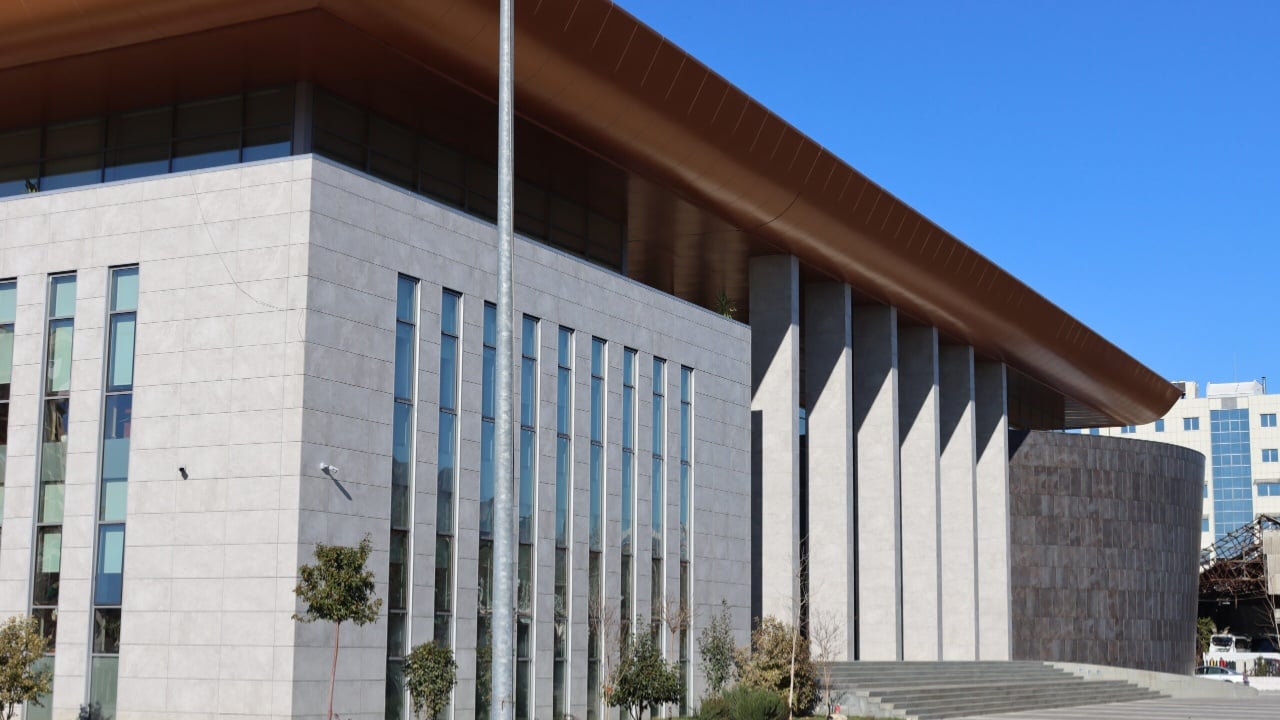
HJC adds new categories to the priority list
Under the new decision, the category of civil cases that may request expedited proceedings now also includes property claims related to the return and compensation of property, environmental protection cases, and collective lawsuits for consumer protection.
The expansion of this list comes as thousands of files have continued to wait for years, showing that the mechanisms used so far have failed to curb the worsening situation at the Appeal level.
Previous measures did not stop the delays
Earlier, the HJC had designated as priority cases proceedings involving minors, claims for child support, guardianship, compensation, and employment contracts.
Although citizens had been granted the right to request acceleration when delays brought serious consequences, those requests themselves have created a backlog of their own. This makes it clear that the problem is not only related to the ordering of files, but to the real capacity of the system to handle them.
Environmental justice comes into focus alongside Chapter 27
Environmental justice has also been included in the new list, at a time when, according to the official reasoning, this coincides with the opening of Chapter 27 and with demands to accelerate environmental reforms and align legislation with the European Union.
This link to integration priorities also raises another question: whether the system is responding to citizens’ needs or to institutional pressure to produce formal compliance with the EU agenda.
Appeal court operating with half its judicial panel
The situation is made even worse by the lack of judges. Currently, the Court of Appeal has 41 judges out of the 78 it should have in total.
Under these conditions, expanding the list of priority cases appears more like managing the shortage than solving it. The HJC has intervened several times with decisions intended to avoid the backlog, but without visible results on the ground.
With 48,000 files pending, the problem at the Appeal level does not appear likely to be resolved simply by adding categories with priority on paper.
Without a real replenishment of the judicial panel and without reducing the backlog, the risk remains that even expedited procedures will turn into a new queue within the same deadlock.