
Yemen is facing another severe wave of violence after Houthi rebels claimed responsibility for missile and drone attacks on government forces. The preliminary toll stands at at least 38 soldiers killed and 29 wounded, in what is considered the deadliest strike since the 2022 ceasefire.
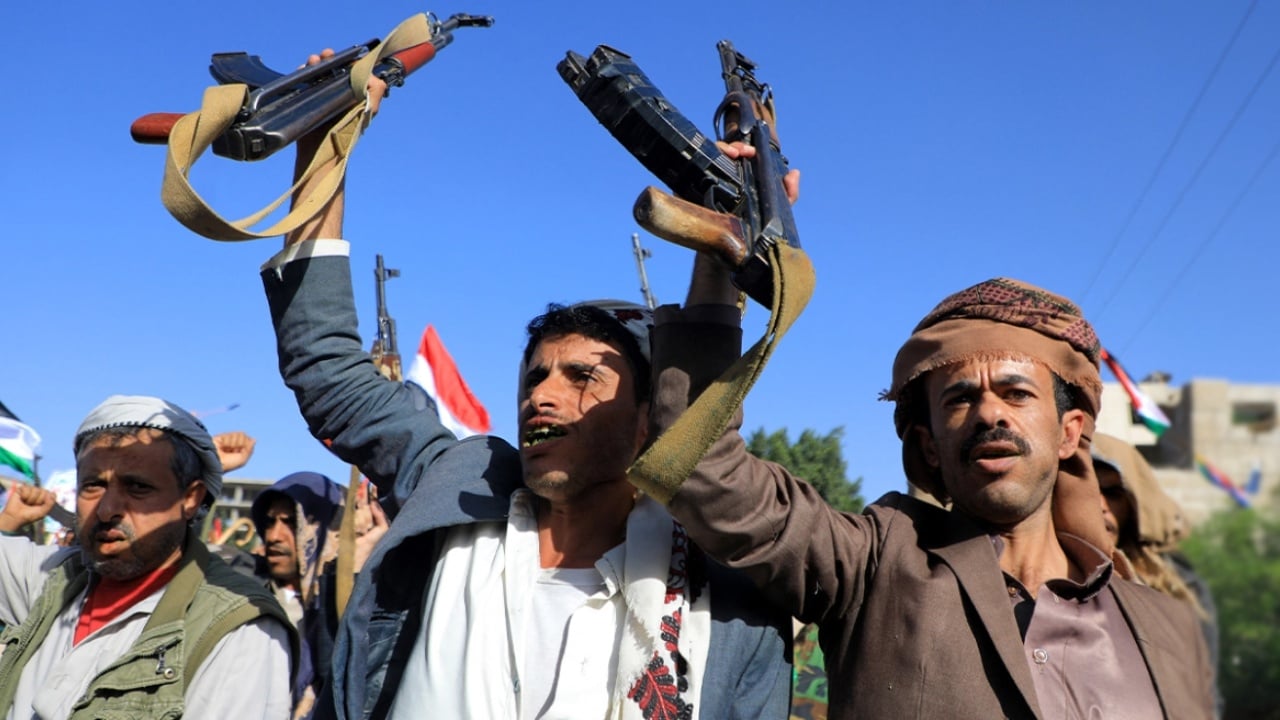
Heavy toll on the front line
According to medical sources cited by AFP, at least 38 members of the government army were killed and 29 others were wounded in the attacks. The figures make this episode one of the most serious for government forces in recent years.
The official version from the ground indicates that a military camp in Marib province, in the center of the country, as well as other positions in Hadramout, near the border with Saudi Arabia, were targeted.
What the Houthis claim
Houthi military spokesman Yahya Sareh said their forces carried out a large-scale operation against troop concentrations they consider hostile. He accused government forces of increasing their military presence in the targeted areas.
The rebels also claim to have killed or wounded hundreds of fighters backed by Saudi Arabia and to have destroyed camps, weapons depots and military vehicles. These claims have not, so far, been independently verified.
The fragile ceasefire appears ever more distant
The attacks underline how unstable the ceasefire that took effect in 2022 remains. After a period of relative calm, clashes between the Houthis and Saudi-backed forces appear to be entering a new phase of escalation.
The conflict in Yemen began in 2014, when the Houthis took control of most of the territory, including Sana’a, forcing government forces to withdraw. A Saudi-led military coalition later intervened in support of the internationally recognized government.
Regional tensions and the Red Sea front
The incident comes at a time when tensions in the region have added further pressure to the Yemeni conflict. The U.S. diplomatic mission in Yemen expressed condolences to the families of the slain soldiers and described the attack as another act of violence by Houthi rebels.
Meanwhile, the Houthis have also continued naval actions in the Red Sea, claiming they are responding to Saudi measures against Yemen. Riyadh has denied those accusations.
Beyond the statements of the parties, the casualty toll shows that the conflict remains far from a real political solution.
On the ground, soldiers and civilians continue to pay the highest price in a war that for years has left little room for stability.