
Another scam scheme targeting citizens’ bank accounts is circulating via mobile phone. According to the State Police, the perpetrators send messages that appear to be notifications from a bank and try to push users to click fake links, with direct financial consequences.
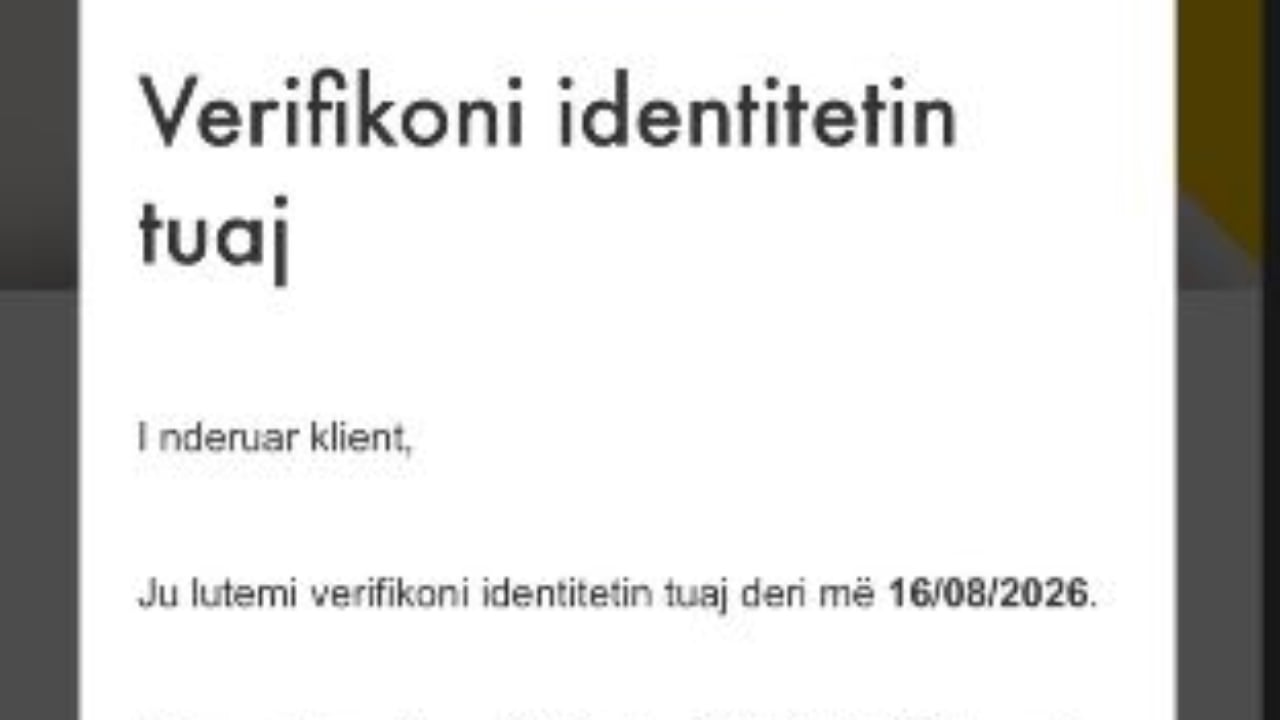
How the mobile message scheme works
According to the official version, the messages are sent to citizens’ mobile phones and presented as communications from banking institutions. They ask for data updates, account verification or the completion of an urgent action through an attached link.
In practice, this is a known form of “phishing,” where the real aim is not customer assistance, but the collection of sensitive data that opens the way to account access and unauthorized transactions.
What data the fraudsters seek
The target of these schemes is e-banking credentials, OTP verification codes and bank card details. If this information falls into the wrong hands, it can be used to move money without the account holder’s approval.
The warning is direct: banks do not ask for passwords, PINs, OTP codes or card details through suspicious links or messages sent from unknown numbers.
What citizens are advised not to do
Police are urging citizens not to click links sent by SMS, WhatsApp or other communication apps, especially when the message comes from unknown sources or raises suspicion.
Likewise, before logging into online banking services, the website address should be carefully checked and only the bank’s official channel should be used. For any uncertainty, communication should be made only through official numbers and contacts.
What to do if you have fallen for the link
If a citizen has clicked a suspicious link or provided banking details, the first step is to immediately contact the bank to block the card or account and take protective measures.
Passwords for access to banking services should then be changed without delay, and the case should be reported to the State Police, including the structures that investigate cybercrime and the local directorates.
The increase in such messages shows that digital fraud is adapting to users’ everyday behavior by exploiting trust in banking communications.
In this situation, every unsolicited link and every request for banking details should be treated as a danger signal, not as a routine notification.