
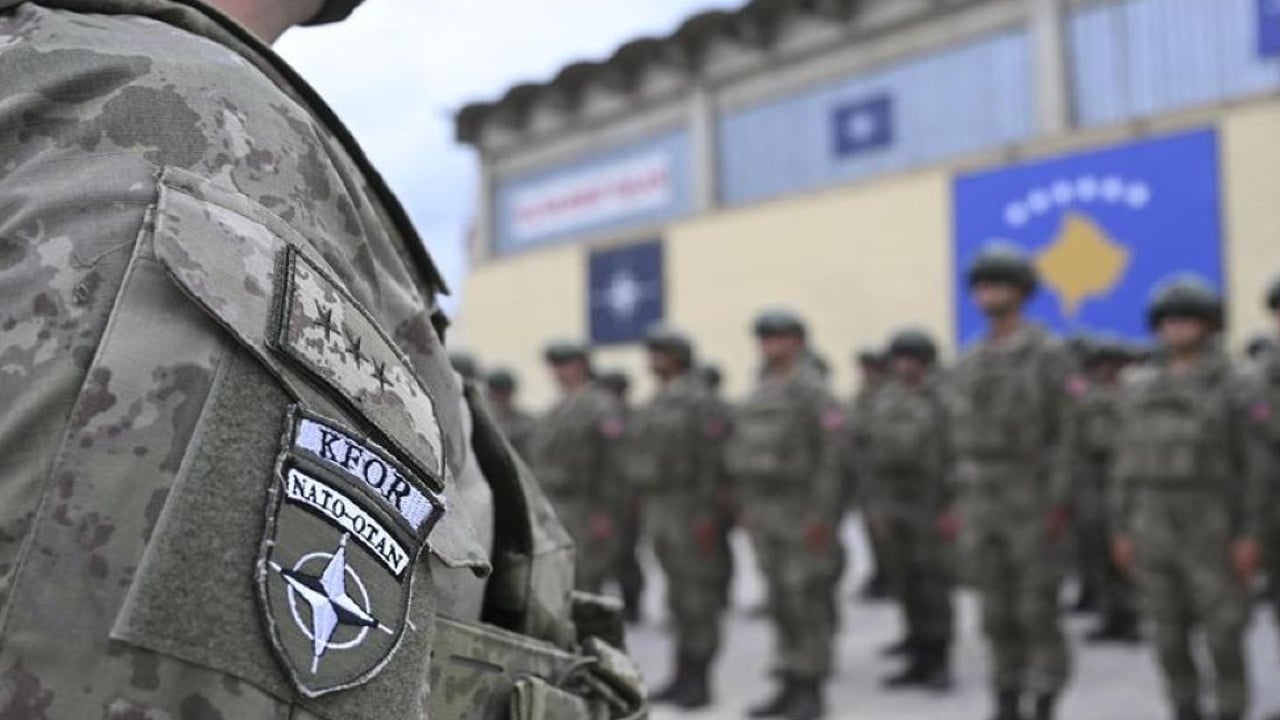
KFOR has begun the gradual withdrawal of its permanent presence from the bridge over the Ibar River in Mitrovica, a move that, according to the NATO mission, is linked to an improvement in the security situation. But the development comes at a time when northern Kosovo continues to be marked by incidents, doubts and a low level of trust in Kosovo’s institutions, especially the police.
Gradual drawdown, not a full departure
According to KFOR’s official version, the permanent presence at the Ibar bridge is being gradually reduced because of a more stable security situation.
However, the mission has made clear that this is not a final withdrawal. KFOR says it will maintain a strong presence in northern Kosovo and can return forces to the ground if the situation worsens.
The decision comes after recent incidents
KFOR’s move is not taking place in a security vacuum. Incidents have recently been recorded in the north, once again fueling debate over the stability of the area.
Among them are the demolition of 17 structures owned by Serbs near Lake Ujman, as well as claims of violence by members of the Kosovo Police against a resident during an inspection. These episodes make the claim of full normalization on the ground more complicated.
Kosovo Police take on more responsibility
KFOR is gradually transferring part of its responsibilities to the Kosovo Police, in a process that also affects other sensitive points.
In Pristina, authorities hope this will create the conditions for reopening Mitrovica’s main bridge to traffic. In the case of the Visoki Dečani Monastery as well, the Kosovo Police are expected to be gradually integrated into the structures securing the site.
Doubts on the ground and fragile trust
Representatives of the Serb community see the reduction of KFOR’s presence and the possibility of reopening the bridge as hasty steps, referring to recent incidents and security concerns.
On the other hand, some experts assess that the Kosovo Police have built sufficient capacity to maintain order in the north and that closing the bridge no longer carries the same security rationale as in the past.
Despite these assessments, the continuing tensions and the lack of trust between the Serb community and Kosovo’s institutions show that the situation remains fragile and far from uncontested normalization.
KFOR’s gradual withdrawal from the Ibar bridge is seen on one hand as a signal of change on the ground, but on the other it raises serious questions about the timing and consequences of this decision.
In an area where security depends not only on forces on the ground but also on institutional trust, any reduction in the international presence remains a sensitive test for stability in northern Kosovo.