
Ukraine is entering an even more tense political phase, as pressure on President Volodymyr Zelensky is mounting from several directions at once. Former Defense Minister Mykhailo Fedorov, now emerging as the strongest critical voice against the presidency, has called for presidential elections to be held even under wartime conditions, while anti-corruption investigations are simultaneously deepening and, according to the official version, are also reaching high levels of the presidential administration.
A direct political challenge to Zelensky
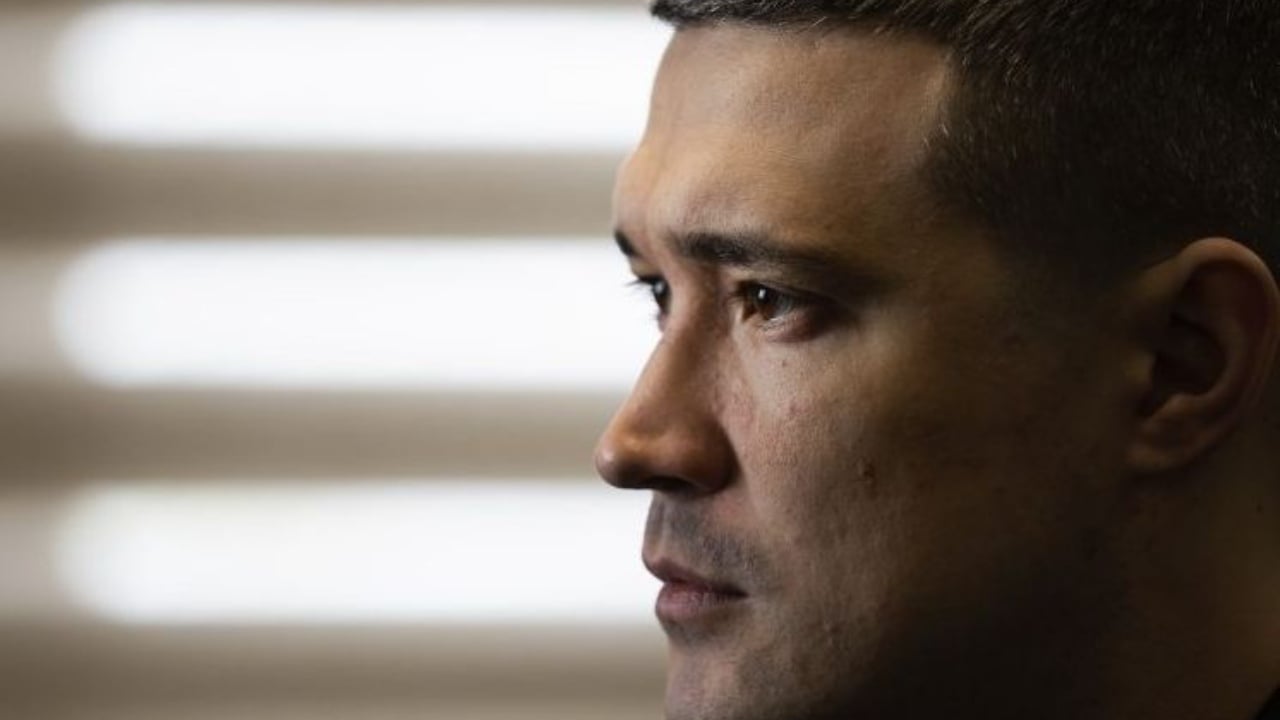
Fedorov, once a close ally of Zelensky and one of the country’s best-known political figures, called for the restoration of a “fully functional” democratic process despite the prolonged war with Russia.
In a video message, he argued that democracy should not be suspended because of the war and presented the situation as a test of Ukraine’s European orientation. At the same time, he spoke of a “systemic crisis of governance” and raised concerns about corruption during wartime, without making direct personal accusations against the president or other officials.
Dismissal from office and clash with powerful structures
The weight of his statements is also tied to the fact that Fedorov was recently dismissed from the post of defense minister, just six months after taking office. Earlier, he had also served as minister of digital transformation and had been identified as one of the main supporters of the use of drones and automated systems in the war.
According to publicly released information, his rising political profile put him on a collision course with senior military leaders and influential figures in the defense industry, as he tried to reform the procurement system and curb corruption. Zelensky dismissed him on July 15.
Protests in Kyiv after Fedorov’s removal
His dismissal was followed by demonstrations unusual for a country at war. In Kyiv and other cities, mostly young people took to the streets demanding Fedorov’s return to the head of the Defense Ministry and the removal of former military chief Oleksandr Shirsky.
Even weeks after the dismissal, the mobilization did not fade. Thousands took part in one protest in Kyiv, with slogans such as “The people are the power” and “Corruption kills,” shifting the debate from an internal power conflict to a broader crisis of trust in institutions.
Anti-corruption investigations move closer to the presidency
Meanwhile, pressure on Zelensky is also increasing from the institutional front. NABU and SAPO announced the opening of an investigation into lawmakers and unidentified “senior officials” in the president’s office, without providing further details.
The announcement came just hours before an important parliamentary vote on the appointment of the new defense minister, Yevgeny Khmara. The presidency also published a decree dismissing Iryna Mudra, deputy head of the presidential administration, without giving public reasons. There is no official confirmation that this move is linked to the corruption investigation, although she was later arrested.
Earlier the same day, anti-corruption authorities said they had uncovered a suspected money-laundering group that, according to them, also included a senior presidential official.
Elections remain a political demand, not an open process
The discussion about elections during wartime is returning to the center of Ukraine’s political crisis, but so far it remains mainly at the level of political and public pressure. Despite voices and speculation about the possibility of an electoral process this year, there are still no concrete developments indicating the formal opening of a path in that direction.
In this climate, with protests in the streets, clashes within the state elite, and investigations touching the presidential circle, the Ukrainian presidency is facing a delicate moment that goes beyond the narrative of wartime unity.
Fedorov’s call for elections is no longer simply an isolated political statement. It is emerging at a moment when Zelensky’s power is being tested by internal discontent, corruption allegations, and an increasingly strong debate over how the country is being governed in wartime.