
Rezana Çeliku, the well-known artist of Albanian cinema and television, has been remembered with sorrow by Ema Andrea, who describes her as “a woman of light” and a figure who left her mark both in art and in public life.
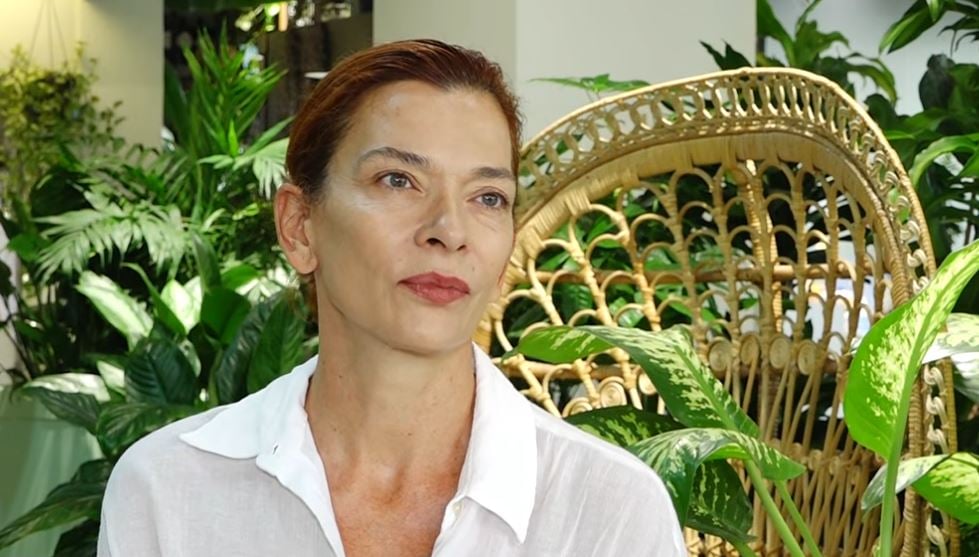
A memory that begins on the film set
Ema Andrea connected her memory of Rezana Çeliku to their early days in cinema, when they met in 1990 during the filming of the movie Një vajzë dhe një djalë. At the time, according to her, Çeliku stood out for the way she filled the environment with energy and communication.
Andrea described the actress as a presence who immediately influenced others, saying she learned a great deal from her and took her as an example in the profession.
The bold role and the withdrawal from cinema
One of Rezana Çeliku’s most talked-about roles was that of a woman involved in a relationship with a younger man, a character that was considered bold for its time and was accompanied by discussion.
According to Ema Andrea, the prejudices that followed her after that role may have influenced her gradual withdrawal from cinema. She also links this to the major changes Albanian film underwent after the 1990s.
From art to public administration
After leaving acting and her work as a teacher in villages around Tirana, Rezana Çeliku continued on another professional path. She graduated in Economics and Law and later worked for many years in public administration.
Part of that career was linked to the Directorate for Public Relations at the Municipality of Tirana, where, according to Andrea, she preserved the same human energy and dedication she had in art.
A figure who left a mark on those who knew her
In her remembrance, Ema Andrea describes Rezana Çeliku as the same person full of life, love and dedication, even in the years when she was no longer part of the stage or cinema.
Rezana Çeliku died at the age of 66, after battling illness. For those who knew her closely and for the public that followed her on screen, she remains a special name in Albanian art.
Ema Andrea’s remembrance brings to mind not only the loss of an actress, but also the story of a figure who moved from art into public service without losing, according to the people who knew her, the light that characterized her.
At a time when many names from earlier cinema remain on the margins of public memory, Rezana Çeliku’s passing returns attention to the roles, choices and silences that have accompanied the lives of Albanian artists.