Changes to the territorial map are opening another point of tension for the 2027 local elections. The head of the CEC, Ilirjan Celibashi, has signaled that without clarity and sufficient time for preparation, the process risks entering a political and legal gray zone.
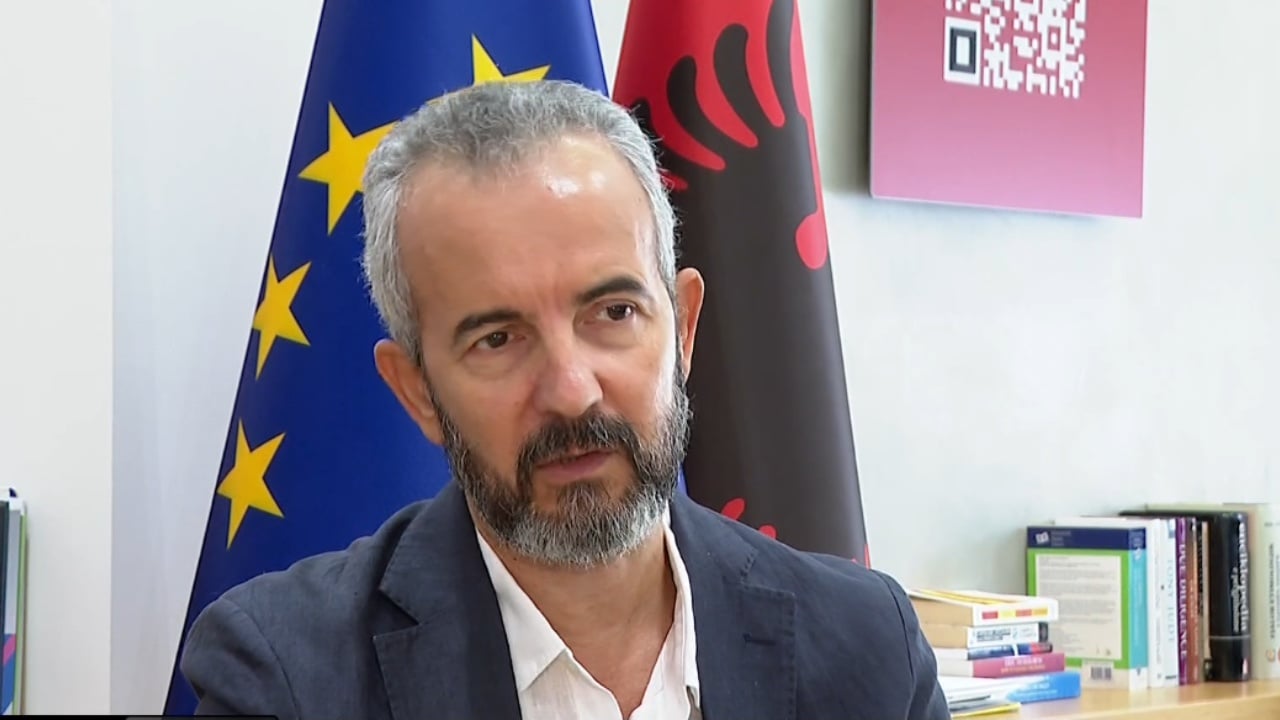
The CEC asks for more time for a new electoral landscape
According to Celibashi’s statements, the election administration would be the first to be affected by a new administrative division, as it would have to organize local elections on a different map from the current one.
He indicated that 6 to 9 months would not necessarily be a comfortable amount of time for preparation, raising questions about the impact this could have on the infrastructural, logistical and organizational quality of the process.
The key issue is tied to the President’s decree on the election date
According to the version presented by the head of the CEC, the main problem is not only the number of municipalities on the new map, but the moment when the changes will be approved in relation to the President’s decree setting the election date.
Celibashi warned that if the election date is set first, the later approval of the new territorial division would create uncertainty over the legal consequences. In essence, the CEC is seeking a clear political decision before the process enters the formal electoral track.
Protests on the ground and the opposition’s call for a referendum
The debate is not taking place only at political tables. So far, 15 municipalities are opposing the new map through protests, showing that the reform is not moving ahead without resistance at the local level.
On the other hand, the opposition is demanding that the new division be decided by referendum. But this scenario too, according to Celibashi’s explanations, runs up against strong time and procedural constraints.
The referendum faces constitutional and calendar obstacles
Celibashi recalled that the legislation provides for certain restrictions linked to the election date, while referendums cannot be held on the same day as parliamentary or local elections.
Moreover, the issue does not depend on political will alone. According to him, the Constitutional Court would have to rule on the constitutionality of such a request, making the referendum route even less clear.
October is seen as a critical month for the reform
The new territorial map is currently in the public consultation phase. The Socialists aim to pass it in Parliament in October, a deadline that also coincides with the period when the President must decree the date of the 2027 local elections.
According to the Electoral Code, these elections must be held on one of the Sundays between April 15 and May 15. This significantly narrows the room for maneuver and makes it even more evident that territorial reform is not simply a map debate, but an issue with a direct impact on the standard of the elections.
At this stage, the signal from the CEC is clear: without a timely decision and without legal clarity, territorial reform could produce more uncertainty than solutions for the 2027 local elections.
Beyond the pace sought by the majority, it remains to be seen whether the process will respect the real needs of election administration or once again be pushed to the limits of institutional improvisation.