
Outside Parliament, the situation appeared tense at the same time that the final plenary session of this session began inside. On the ground, the protest continued with clashes and attempts by demonstrators to bring physical pressure closer to the institution, while police maintained security cordons.
Tension at Parliament’s entrance
Near the Parliament premises, the protest continued even after developments inside the plenary hall had begun. According to the version reported from the scene, demonstrators sought to break through police cordons to get closer to the building.
No official figures or further clarifications were presented on the scale of the clashes, leaving the exact scope of the incident at the entrance to the institution unclear.
Plenary session began after 10:00
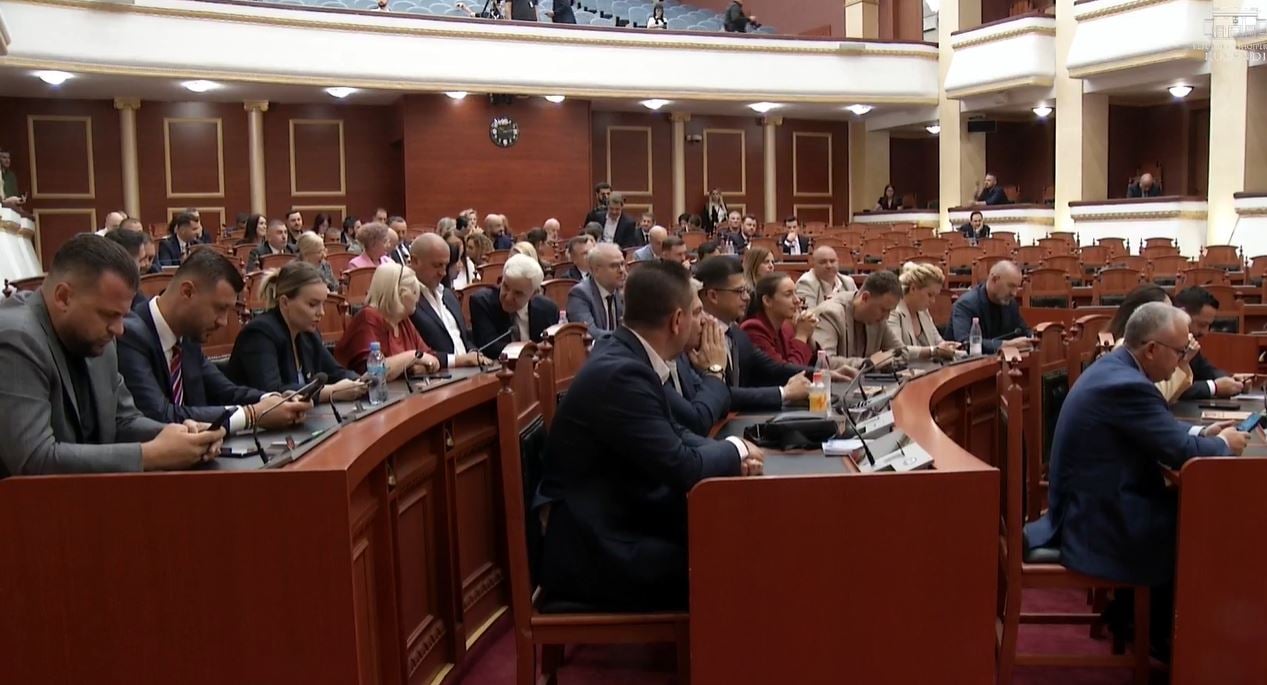
Shortly after 10:00, Parliament opened the plenary session, which was presented as the last of this session. This meant parliamentary activity took place in parallel with the tension outside the building.
This contrast between institutional routine inside and the clash on the outer perimeter once again raises questions about protest management and the security standard around central institutions.
Little information, high tension
At this stage, public information remains limited. There are no detailed data on the number of protesters, any injuries, or other measures taken by police beyond maintaining the cordon.
When official communication remains minimal and the event unfolds at such a sensitive site as Parliament, attention shifts to transparency: what really happened on the ground and how proportionate the response of law enforcement was.
Images and reporting from outside Parliament show a heated situation at a politically significant moment, while the final plenary session began under the shadow of tension.
Beyond the official wording, the essence of the event remains clear: the protest clashed with the police cordon at the very hours when Parliament was entering one of its most symbolic meetings of the session.