
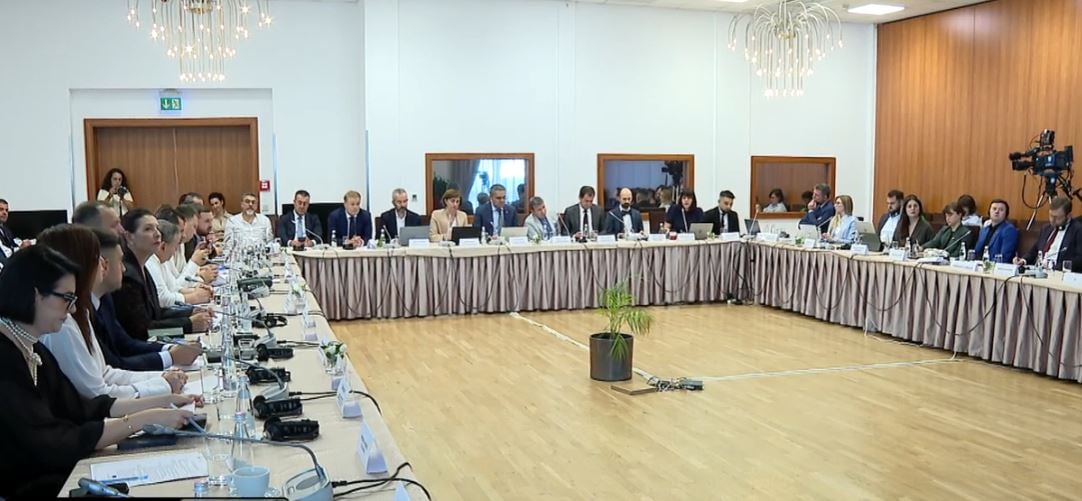
The debate over electoral reform has once again focused on one of the most sensitive points of the process: the boundary between the state and the party in power. At the latest roundtable, the CEC called for the new Electoral Code to set clear rules to curb the use of public resources for electoral purposes, a problem denounced for years but one that often remains caught between complaints and a lack of real punishment.
Celibashi calls for a new regulatory philosophy
Commissioner Ilirjan Celibashi asked that the new Electoral Code explicitly provide for the separation between the state and the party in power, not merely as a political principle but as a standard of electoral administration.
According to him, the law must be clear, supervisory powers effective, and accountability real and proportionate. Celibashi argued that in various OSCE countries this standard also carries constitutional or legal weight, making the call for change more than a technical debate.
The majority acknowledges the difficulty, but not an absolute solution
From the majority’s side, Damian Gjiknuri presented the issue as a difficult balance between the need to govern and the obligation not to create unfair advantages in elections.
According to this position, the aim is to have a legal package within the year. However, the wording itself suggests that negotiations will focus not on a strict separation of the state from the campaign, but on the extent of measures the majority is willing to accept without affecting its room for action.
The opposition raises the issue of patronage operatives and enforcement of the law
In the presence of international experts, the opposition called for action against patronage operatives and for sanctions against lawbreakers, shifting the debate from producing new rules to the failure to enforce existing ones.
Oerd Bylykbashi stressed that the number of complaints does not match the number of sanctions, raising questions about the real effectiveness of current mechanisms. The opposition’s message is that a tougher legal framework has little value if violations are not punished.
OSCE and EU call for dialogue for a more level playing field
At the roundtable on preventing the misuse of state resources, representatives of the OSCE and the EU called for dialogue between the sides, with the goal of legal changes that guarantee a more level playing field.
The international call keeps the debate on the tracks of reform, but the main issue remains the same: whether politics will accept rules that genuinely limit the advantage of those in power during elections, or whether the reform will once again remain at the level of general wording.
The most contentious point does not appear to be the lack of diagnosis, but the lack of guarantees that the rules will be applied equally to everyone.
Whether this reform will produce real standards or only another political compromise will depend on how far the sides are willing to go in addressing the most sensitive mechanism of elections: the use of the state in the service of power.