
Monika Kryemadhi has once again turned politics into a television spectacle, this time by placing the leading figures of the Albanian political scene into the roles of a “Big Brother” house. In an interview for “Pushime On Top,” she offered both assessments and barbs about some of the best-known names in politics, from Ilir Meta to Edi Rama and Sali Berisha.
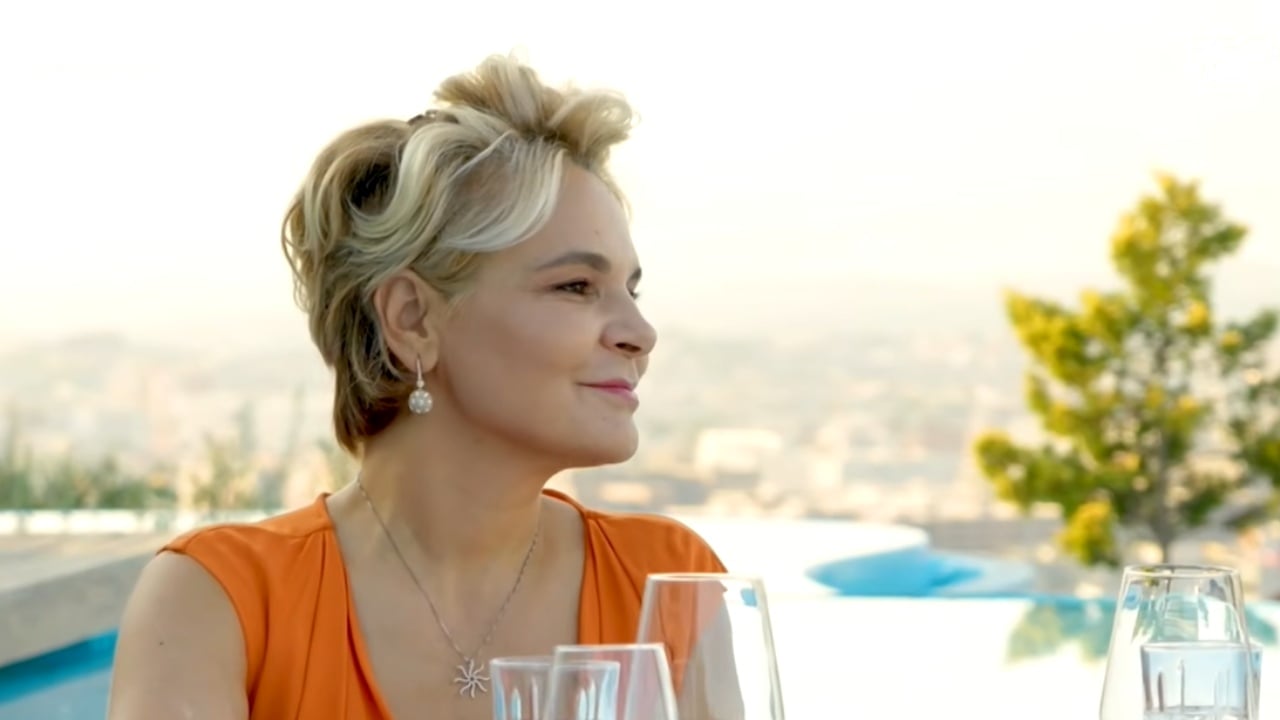
Who she would like in the house
Kryemadhi said she would like to see “Zegjinenë” in the most famous house in Albania. In her remarks, she focused on the way the very image of the politician in the country has changed, in her view.
She said that today’s politician no longer has the physiognomy of a statesman, but has turned into a “trader,” a definition that comes as direct criticism of the level of current politics.
Meta as strategist, Rama as intriguer
Asked about the “strategist of the house,” Kryemadhi singled out Ilir Meta. According to her, he has been a political strategist, linking this to the way he has built objectives and to what she described as a “game of chess” in the service of the state structure.
For the role of the “intriguer,” she mentioned Prime Minister Edi Rama, with a sharp and direct comment on the way he behaves in politics, in her view.
Berisha, the cameras’ protagonist
In this ranking delivered with ironic tones, Sali Berisha was placed by Kryemadhi in the role of the “protagonist of the cameras.” She linked this to his ability to dominate public attention, also because of his age and statements that, according to her, remain unusual even for younger generations.
As for the figure of the “king of the house,” Kryemadhi said Albania has not had and does not have a king, shifting the comment to the historical tradition of principalities.
Who was described as the most impulsive
As for the most impulsive housemate, Kryemadhi said she does not see many “good souls” in politics, but mentioned Erion Braçe as a name who could fit into that category.
The statements came in an interview with a light television tone, but at their core they also reflect the way Albanian politics is increasingly sliding toward communication as spectacle, where labels replace real debate on public responsibility.
Kryemadhi’s comments did not bring any new political development, but they showed once again that public figures often choose the show format to produce political messages and maintain media attention.
In this case, the names were familiar, the roles were as well, while the content remained somewhere between irony, barbed remarks and a personal reading of the Albanian political scene.