
The idea of a “Sovereign Bektashi State,” introduced into the public sphere with heavy symbolism and little legal clarity, is facing strong opposition. The criticism is not directed against the Bektashis or their spiritual heritage, but against a project that, according to its opponents, risks affecting equality among religious communities and the unitary character of the state itself.
A major public project, but without a clear legal basis
At the center of the debate is the fact that for this initiative, neither a founding law, nor a constitutional decision, nor a full consultation process with religious communities, society or Parliament has yet been made public.
The main criticism is that an idea with potentially sensitive consequences for the constitutional order is being promoted while basic explanations are missing: what status this entity would have, how it would function and on what legal basis it would be established.
The paradox of “diplomacy” before the state exists
One of the strongest points of opposition is linked to claims that, even though this state does not legally exist, roles with a diplomatic profile have already begun to appear.
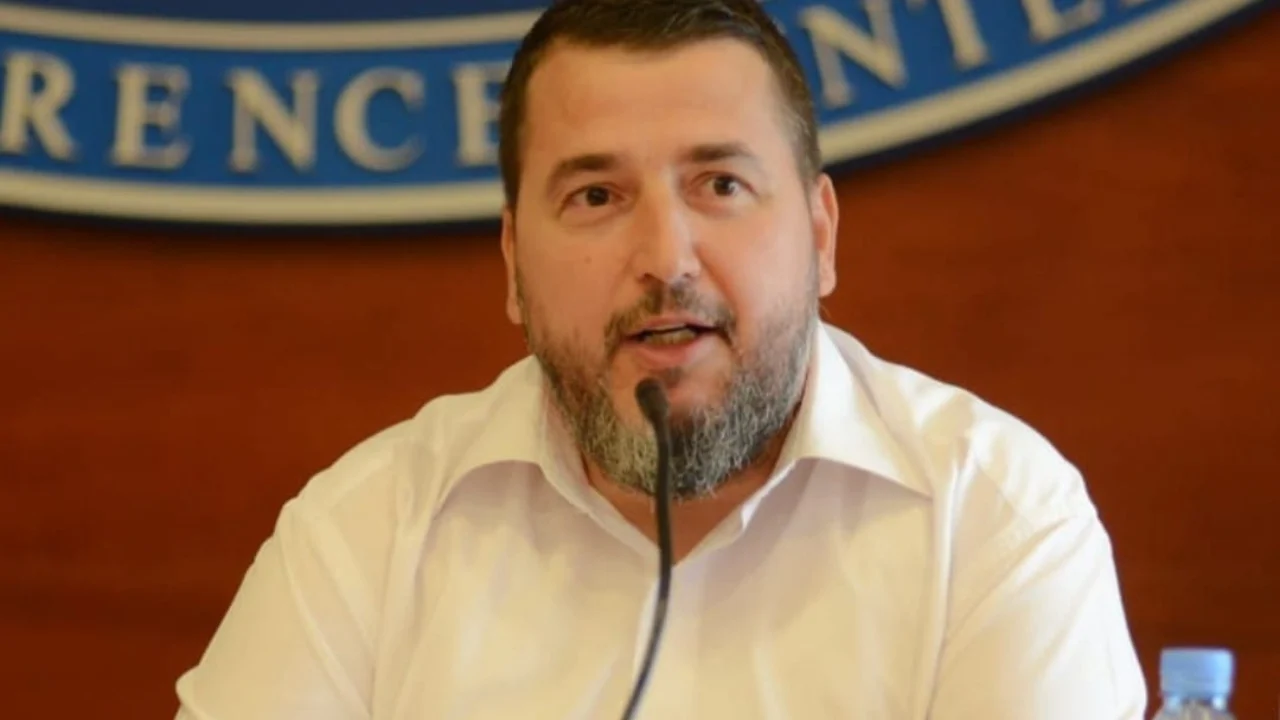
The critical text mentions the name of Kreshnik Grezda, presented in some letters addressed to embassies as a “special ambassador,” while in a foreign publication he is identified as “general ambassador.” It is precisely here that the main doubt is raised: how can the functions of a state that does not yet exist in the country’s legal order be distributed?
Questions over political motivation and outside influence
Opponents of the initiative raise suspicions that the project may have been driven more by publicity value and a thirst for international attention than by a real need among Bektashi believers.
In this context, the Prime Minister’s approach is also put under scrutiny, with critics saying he is often drawn to projects with strong symbolism before they pass through full public and institutional consultation filters.
Accounts are also mentioned about the interest of former foreign officials in this idea, adding to the question of whether this is an internal need of the community or a project embraced from outside and politically packaged within the country.
Fear of disrupting balances among religious communities
An essential part of the criticism concerns the consequences this initiative could have on relations among religious traditions in Albania. According to this view, the state should not even create the impression that it favors one form of Islam as more politically acceptable than another.
The argument is that Bektashism should be respected in its distinctiveness, but not used as a tool to set Bektashis in contrast with Sunni Muslims. Such an approach, critics say, would be unfair to both traditions and dangerous to the interfaith harmony that Albania has promoted for decades.
Strengthening institutions, not creating new sovereignty
Instead of creating a new sovereign entity, another path is proposed: the genuine strengthening of Bektashi institutions within the Republic of Albania.
This would mean, according to this vision, more support for the restoration of tekkes, resolving ownership issues, transparent management of assets, digitization of heritage and the establishment of an international academic center.
The political message is direct: Bektashism can be strengthened and can play a global role without opening an unclear debate over new borders of sovereignty within Albanian territory.
At its core, opposition to this initiative is presented not as a rejection of Bektashism, but as a rejection of an unclear political formula that affects the Constitution, relations among communities and institutional seriousness.
The debate remains open, but one thing is clear: the greater the claim to sovereignty, the greater the need for transparency, law and genuine public consultation.