
The institutional deadlock in Kosovo is deepening, as the opposition has once again blocked the entrance to the Government building and is increasing political pressure on Albin Kurti. PDK and the Alliance accuse the leader of Vetëvendosje of violating the Constitution and holding the process of constituting the Assembly hostage, at a time when the constitutional deadline passed weeks ago.
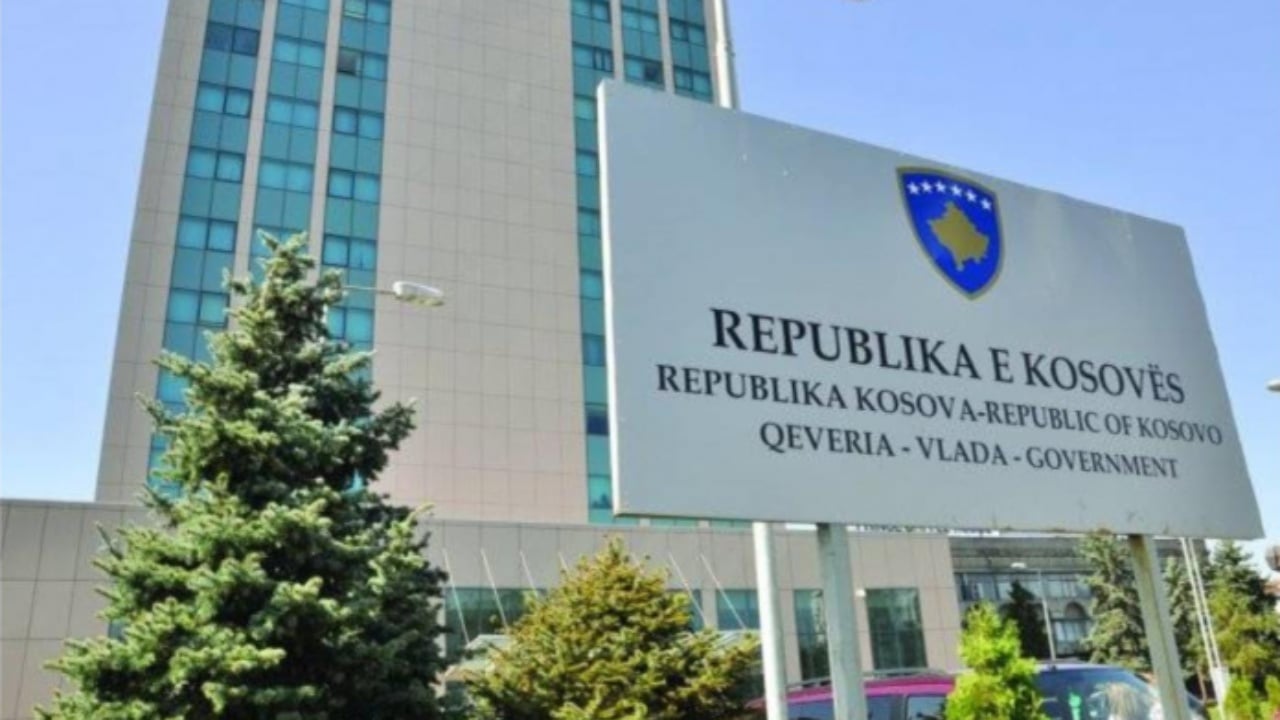
Protest outside Government and demand to return to the Assembly
Opposition parties in Kosovo also blocked the entrance to the Government building on Tuesday, continuing their action against the institutional situation created in the country.
PDK and the Alliance are demanding the continuation of the Assembly’s constitutive session and an end to the political blockage. According to the opposition, the government is remaining in office while the constitutional process for establishing new institutions has been left suspended.
Direct accusations against Albin Kurti
PDK lawmaker Blerta Deliu said that Albin Kurti and his ministers should leave the Government building and return to the Assembly in order to clear the way for the creation of new institutions.
Alliance lawmaker Besnik Tahiri also accused Kurti of violating the Constitution. The opposition’s rhetoric has hardened significantly, portraying the situation as a political usurpation of institutions rather than simply a procedural delay.
The constitutional deadline has expired, but the Assembly remains unconstituted
The constitutional deadline for constituting the Assembly of Kosovo expired on August 7, but the procedure has still not been completed. This has turned the debate from a political clash into a question of institutional legitimacy.
According to the version made public, the situation is linked to Vetëvendosje’s request for more time in order to reach a political agreement on the election of the president. This postponement is being opposed by the opposition, which is demanding the immediate continuation of the process in the Assembly.
Dissatisfaction is also spreading to the local level
The confrontation is not remaining only at the central level. Representatives of the Municipality of Pristina, including directors and assembly members, joined the action outside the Government building.
According to them, the non-functioning of the Assembly directly affects the work of local institutions, hindering debates on policies and budgets that affect citizens. In this climate, the political crisis at the center is also producing concrete effects on local governance.
Kosovo thus remains in a deadlock that is not being resolved either by the passing of constitutional deadlines or by the increase in opposition pressure.
The clash between the government and the opposition is shifting from the Assembly hall to the ground, while the institutional cost of the blockage is becoming increasingly visible.