The political crisis in Kosovo is entering an even more tense phase. The opposition again blocked the entrance to the government building, while accusations against Albin Kurti and Vetëvendosje have escalated, with claims that the formation of new institutions is being deliberately delayed.
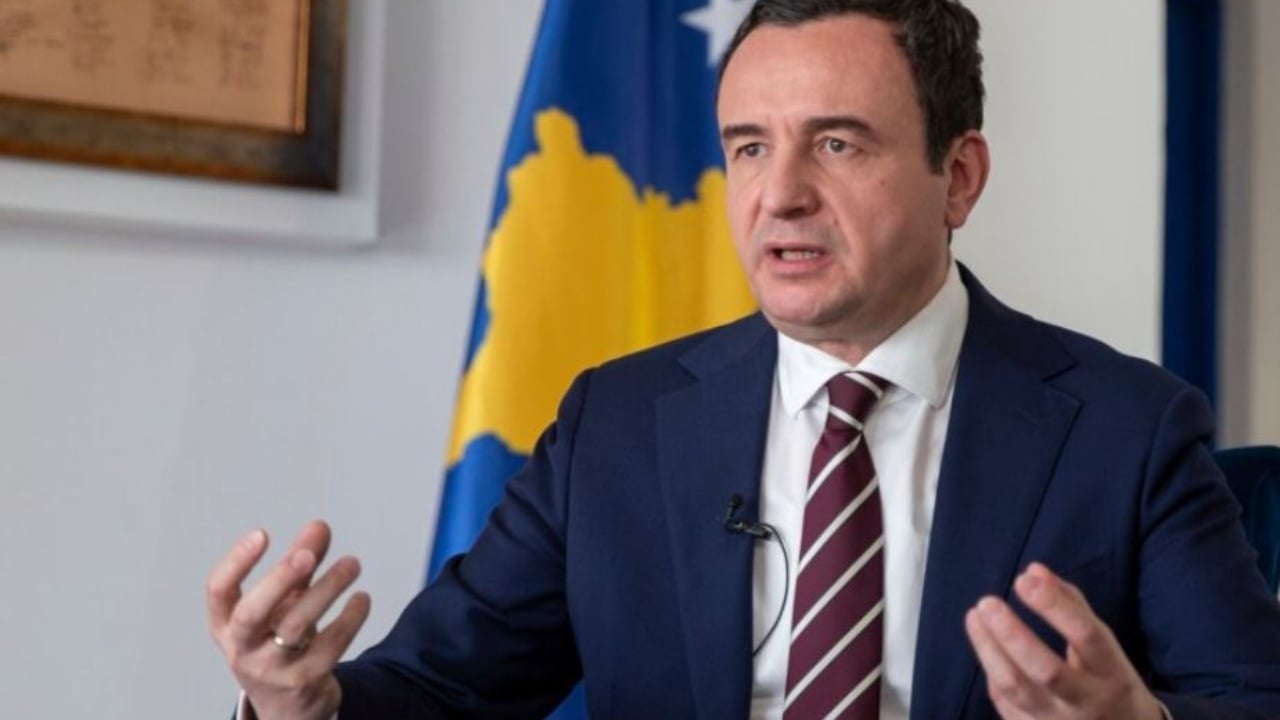
Blockade outside the government and direct accusations against Kurti
The Democratic Party of Kosovo and the Alliance also blocked the entrance to the government building on Tuesday, turning the protest into direct political pressure on the outgoing majority.
According to the opposition, Albin Kurti is acting in violation of the Constitution and is preventing the unblocking of the process for establishing new institutions. Along the same lines, its representatives called for the continuation of the constitutive session of the Assembly to be convened.
Harsh rhetoric from the opposition
PDK lawmaker Blerta Deliu said that Kurti and the ministers inside the government building are “usurpers” and should vacate it, while also calling for a return to the Assembly to clear the way for the creation of new institutions.
Besnik Tahiri of the Alliance also accused Kurti of being a “repeat violator of the Constitution,” claiming that he is preventing 120 lawmakers from exercising the mandate given to them by citizens. These remain political accusations by the opposition in the middle of a deadlock that still has no solution.
Dissatisfaction extends to the local level
Directors and assembly members from the Municipality of Pristina also gathered in front of the government building, expressing dissatisfaction with the institutional blockade.
PDK assembly member in Pristina Fjolla Vukshina-Reçica argued that a non-functioning Assembly harms the handling of citizens’ needs, debates on public policies and municipal budgets, as well as oversight of institutions.
The constitutional deadline has passed, but there is no solution
The constitutional deadline for constituting the Assembly expired on August 7, but the procedure has still not been completed. This has further increased political and public pressure on the parties.
According to the version made public, Vetëvendosje has asked for more time to reach a political agreement on the election of the president, while negotiating with the Democratic League of Kosovo. It is precisely this delay that the opposition sees as the main proof of a deliberate blockade.
Kosovo thus remains in an institutional deadlock in which the deadlines have passed, but political responsibility continues to be shifted from one side to the other.
Beyond the strong language and the clashes in front of the cameras, the essential question remains unresolved: when will the institutions become functional, and who will bear the political cost of this delay.