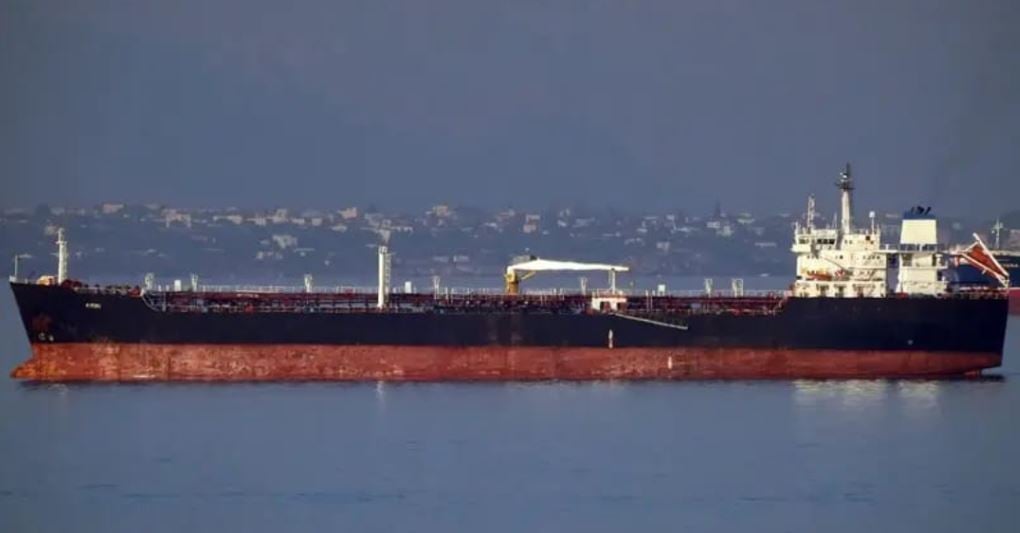
A tanker suspected of involvement in transporting Russian oil outside sanctions frameworks has been stopped at the Port of Durrës. According to port authorities, the vessel “Hanuman” was not allowed to enter the roadstead on August 28, in a move that comes amid increased international scrutiny of so-called “shadow fleet” ships.
What the Durrës Port Captaincy announced
The Port Captaincy of Durrës said it had blocked the entry of the vessel “Hanuman,” a tanker with IMO number 9295048, sailing under the flag of Sierra Leone.
The official notice presents the decision as a preventive measure, while at the center of the case is the vessel’s status in several international databases and listings linking it to the transport of Russian oil.
Why the vessel is considered a risk
According to data published by Ukraine’s Defence Intelligence, GUR, “Hanuman” appears as part of the so-called Russian “shadow fleet,” a term used for ships suspected of being used to circumvent the embargo and price cap imposed by the G7 and the European Union.
In the GUR database, the vessel is classified as being involved in the transport of Russian oil and related products in violation of these restrictions. This is an assessment by the Ukrainian service, not a court ruling made public in this case.
Reported movements of “Hanuman”
According to the same data, in September 2025 “Hanuman” transported more than 30,000 tonnes of Russian petroleum products from the port of Novorossiysk to Turkey.
GUR has also identified cases of the automatic identification system, AIS, being switched off, as well as the vessel’s entry into Russian ports. These elements are often considered risk signals in monitoring maritime traffic, especially when linked to energy cargoes and trade restricted by sanctions.
Durrës also appears in the published data
The information made public on “Hanuman” also includes several ports visited by the vessel, among them Durrës. This makes the case more sensitive for Albanian authorities, who face the test of whether port controls are functioning only after names appear in international listings.
The decision not to allow the tanker to enter comes at a time when the maritime transport of Russian oil and the use of “shadow fleet” vessels remain under high political and security scrutiny in the region and beyond.
The “Hanuman” case once again highlights the role of Albanian ports in filtering high-risk maritime traffic.
Beyond the official notice of the ban, it remains a matter of public interest how thorough the institutional verification was and whether this vessel had previous contacts with Albanian port infrastructure.