
The consequences of September 11 did not end on the day of the attack. Nearly a quarter-century later, official figures in the United States show that exposure to dust and toxic substances near Ground Zero is translating into a wave of cancer diagnoses, at a pace that underscores the delayed cost of the tragedy.
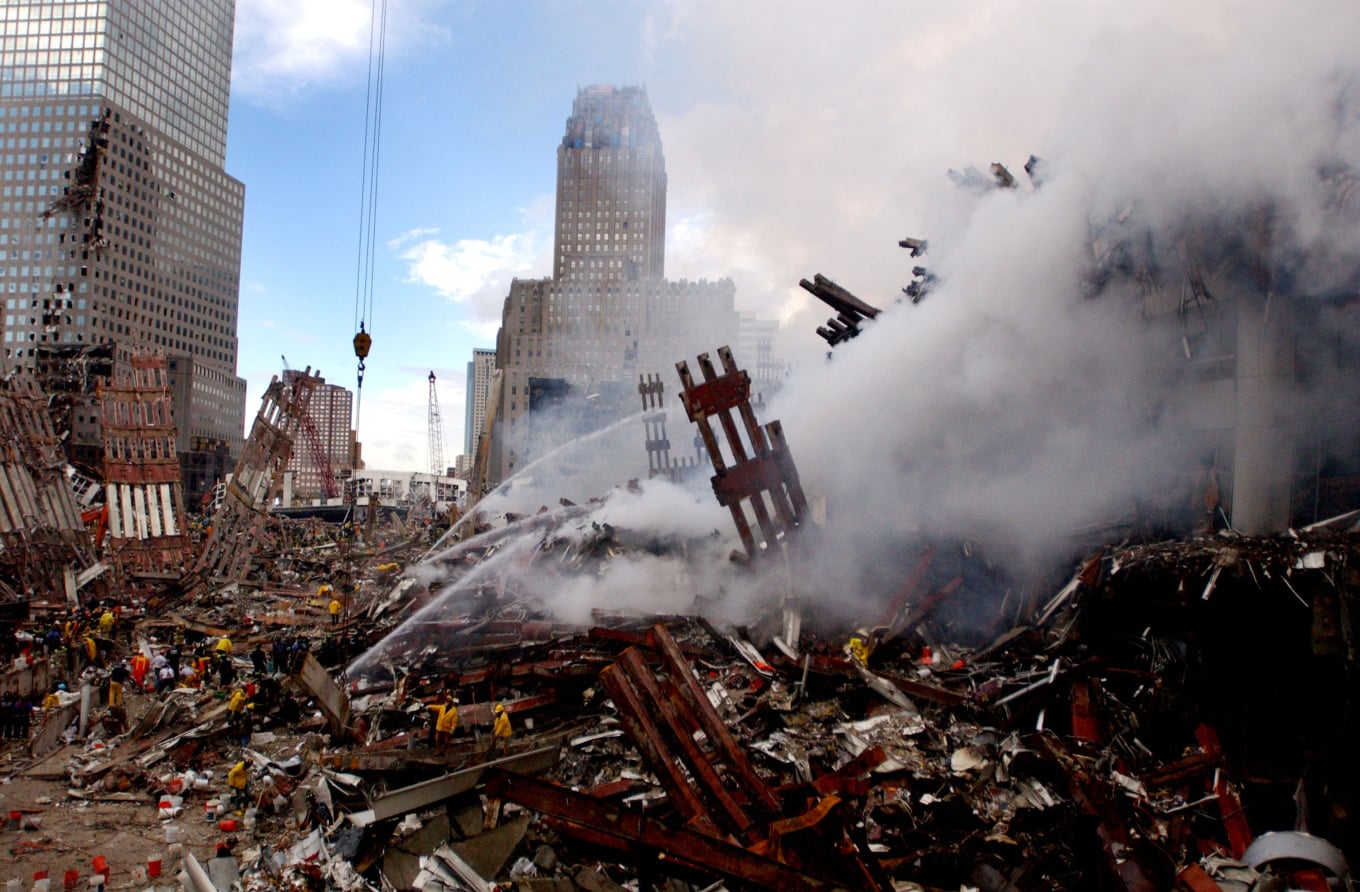
Official figures show a sharp rise over a decade
New data from the World Trade Center Health Program show that certified cancer cases among survivors, residents, Lower Manhattan workers and people who worked on or near the rubble have increased from 3,204 in 2015 to 57,044 this year.
That amounts to an increase of about 1,680% in just 10 years, a figure that highlights the long-term scale of toxic exposure after the September 11, 2001 attacks.
Survivors now surpass even first responders
For the first time, according to these figures, the number of cancer cases among people who lived, worked or attended school near Ground Zero has exceeded the number of cases among first responders, including firefighters and police officers.
Among survivors, 28,913 cancer cases have been recorded, up from just 694 in 2015, or an increase of 4,066%. Meanwhile, rescuers and first responders account for 28,131 certified cases.
Rare cases and troubling diagnoses are increasing
Among survivors and rescuers, 82 cases of thymus gland cancer have been recorded, a very rare form of tumor. There have also been 591 reported cases of neuroendocrine cancer, which most often affects the pancreas, intestines, lungs or adrenal glands.
From March to June alone, neuroendocrine cancer cases among survivors rose by 6%. In addition, 188 cases of breast cancer in men and 163 cases of brain cancer have been recorded, with 14 new cases in the last quarter alone, or 9% more.
More than 9,000 victims of exposure-linked illnesses
According to data from the U.S. Centers for Disease Control and Prevention, as of June, 67% of the 145,275 current members of the World Trade Center Health Program have been certified for at least one of the 69 types of cancer linked to 9/11 toxins.
At least 9,425 people have died so far from illnesses linked to the aftermath of the attacks, more than triple the 2,977 victims recorded on the day of the attack. According to the program, the increase in diagnoses is also partly linked to the aging of the affected population, most of whom are now in their late 50s, 60s or early 70s.
Testimony casts doubt on air safety after the attacks
Attorney Michael Barras, cited by the New York Post, said his office is losing about two clients a day and that a new cancer certification is being recorded roughly every 50 minutes. He described the aftermath of September 11 as a crisis that continues without interruption.
Among those affected is 76-year-old Leslie Lane, who was working near the World Trade Center on the day of the attacks. She recalls the dust cloud during the evacuation and the smell of fuel in the air. In 2020, she was diagnosed with thymus cancer and believes the illness is linked to exposure in that area. She has also questioned statements made at the time that the air was safe.
The toll emerging after nearly 25 years shows that September 11 is not only a chapter of terror and immediate loss. The figures on illnesses and deaths suggest a much longer reckoning, with the consequences of exposure continuing to surface years after the rubble was cleared.
In this picture, the debate is not only medical. It also touches on how the risk was managed, what the public was told about air safety, and how complete institutional transparency was in the weeks and months after the attacks.