The political clash over the blocking of 200 social media pages is also moving into the international arena, as Prime Minister Edi Rama has entered into a direct debate with the “Democrats European Democratic Party.” At the center of the reaction remains the closure of pages linked to the protest, a development that has raised questions about the boundaries between moderation and political interference in the online space.
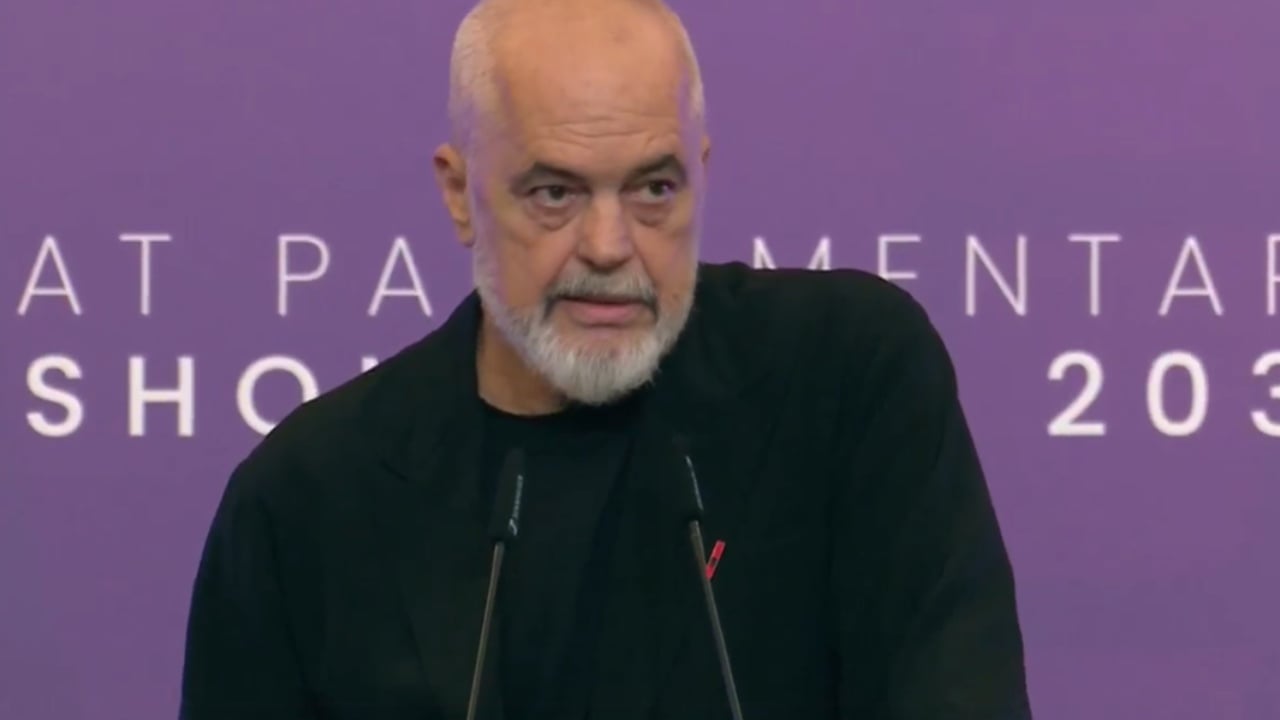
Rama’s reaction after the “Democrats European” post
The prime minister reacted again to the issue of the blocking or closure of 200 social media pages linked to the protest, this time responding publicly to the “Democrats European Democratic Party.”
His reaction came after a post by this European political force, to which Rama responded in a harsh tone and described the content as another “low point.”
Accusations of insinuations and the language used
In his response, Rama described the insinuations as shameless and linked this to the way in which, according to him, the issue is being handled.
“No, this is another low point. What I hated was your shameless visual insinuation, and the fact that you refuse to address it shows exactly what kind of democrats you are. I’m sorry!” he wrote.
The debate over the blocking of the pages remains open
The controversy comes at a time when the blocking of accounts and pages linked to the protest has intensified discussion about the transparency of this process and the role of political actors in interpreting it.
So far, the prime minister’s public reaction has focused on the clash with critics rather than on a full clarification of the circumstances surrounding the blocking of these 200 pages.
Beyond the political tone of the debate, the issue leaves the main question open: what actually happened to these pages and on what basis were they blocked.
In the absence of more explanations, public reactions are deepening the clash, but not necessarily clarity for the public.