
Tensions in the Middle East have once again entered a dangerous phase after a wave of missile and drone attacks on Saudi Arabia left at least 73 people injured. The toll, made public by Saudi authorities, comes at a time when the fragile ceasefire with the Houthis appears to be losing any restraining effect.
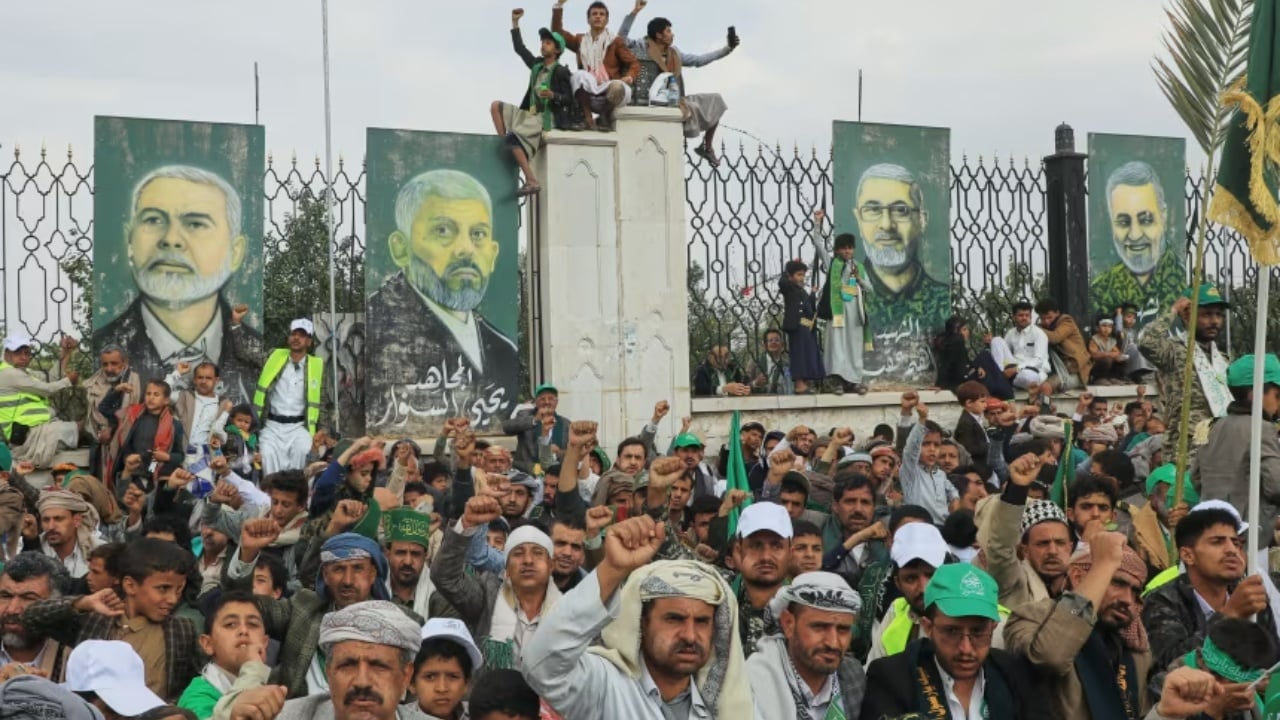
Cities hit and civilians injured
According to the official Saudi account, the attacks struck civilian and economic areas in Abha, Khamis Mushait, Jazan and Najran, in the southwest of the country. Women and children are also reported to be among the injured.
The scope of the strikes across several cities at once shows that the episode is no longer being treated as an isolated incident, but as another sign of the conflict returning to a more aggressive phase.
Fires, operational disruptions and warnings of retaliation
The Saudi Ministry of Energy said the attacks caused fires at several points in the southern region, also leading to temporary disruptions in some operations.
Saudi authorities have described the situation as a serious escalation. Major General Turki Al-Maliki, spokesperson for the Saudi-led coalition, said coalition forces would confront the attacks with determination, while the Saudi Foreign Ministry said the kingdom reserves the right to take all measures it considers necessary to defend its sovereignty.
Ceasefire shaken since July
The escalation comes after the relative calm created following the 2022 ceasefire has been shaken since July. The Houthis have intensified missile and drone attacks on Saudi targets, including energy infrastructure and ships using the Red Sea.
The rebel group has also declared a blockade on Saudi ships in this strategic corridor, with direct implications for Saudi Arabia’s oil exports. This pushes the crisis beyond military borders and openly affects the economic security of the region as well.
Clashes on the ground and signs of a broader conflict
Alongside the attacks from the air, ground clashes between the Houthis and Saudi-backed forces in Yemen have also increased in recent weeks. According to reports, ballistic missiles and drones have also been used against the port of Mocha, which is controlled by government forces.
A senior Houthi official, Nasr al-Din Amer, said the group would continue its response and that it would be broader than what is circulating on social media. At the same time, several Arab countries condemned the attacks, with Egypt calling them a dangerous escalation and Jordan describing them as a blatant violation of Saudi sovereignty.
The return of attacks at this intensity is increasing fears that the conflict in Yemen could once again slip into a direct confrontation between the Houthis and Saudi Arabia.
If the pace of strikes and counterstrikes continues, the consequences are not expected to remain limited to the military front, but also to affect energy supplies and the security of the entire region.