
The vote in favor of the new Territorial Map has opened another clash within the majority. Socialist MP Erion Braçe publicly opposed the way in which, according to him, Prime Minister Edi Rama and other voices interpreted his vote, clarifying that it was not a personal alignment behind the head of government.
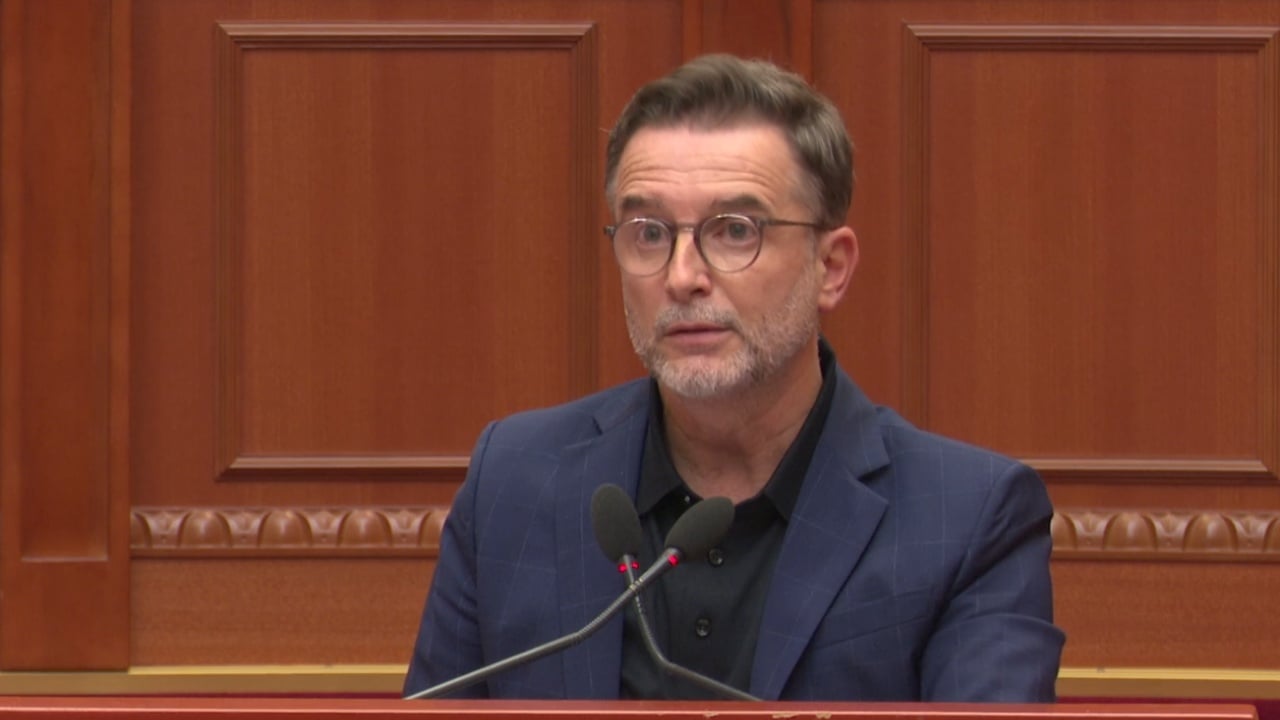
Braçe against the political reading of the vote
In his reaction, Braçe seeks to clearly separate the parliamentary decision from the political use made of it afterward. According to him, the vote cast in Parliament cannot be presented as proof of loyalty to Edi Rama or as justification for messages that do not belong to him.
The Socialist MP presents this vote as a responsibility to the citizens who elected him, and not as a gesture serving the party’s internal balances. This is the core of his objection to the comments that followed the approval.
The debate goes beyond the administrative map
Braçe argues that his support is tied to the need for a real reform of local government and not simply to shifting boundaries on the administrative map. In essence, he moves the debate away from the day’s propaganda to the broader issue of how municipalities function.
According to his position, the problem does not end with revising the map, but with the way local government is built, how many powers it has, and how financially independent it is from the center. This also makes his reaction an indirect criticism of the way the reform has been handled so far.
Criticism of discipline in the Socialist Party and a call for decentralization
In his lengthy reaction, Braçe also raises concerns about the way discipline is exercised within the Socialist Party. Although he does not withdraw his vote, he suggests that the internal political climate is replacing debate with alignment.
He calls for more decentralization, financial autonomy, and real powers for municipalities. This is a political signal that goes beyond the latest episode in Parliament and touches on an old debate: how much real power is left to local institutions, and how much remains controlled by the central government.
Sharp response after public comments
Braçe reacted after, as he himself puts it, others spoke about his vote before he explained it. In his note, he uses strong language toward Edi Rama and other public figures who commented on the decision, describing it as a distortion of his position.
In the end, the MP’s message is direct: his vote has its own political and institutional reasoning, and he will not let others use it as a seal for their own narratives. The open clash shows that behind a formally “yes” vote, unresolved tensions remain within the majority over how decisions are made and how they are presented publicly.
The clash highlights not only the debates over the new Territorial Map, but also the cracks between MPs’ personal convictions and the discipline of the majority.
When a “yes” vote is followed by such a harsh reaction, the political message is clear: within the governing camp, approval in the chamber does not necessarily mean agreement with the official version.