
Four astronauts from the Crew-12 mission have returned to Earth after the Dragon capsule splashed down in the Pacific waters off the coast of California. According to NASA, the operation went according to plan and brought an eight-month mission aboard the International Space Station to an end.
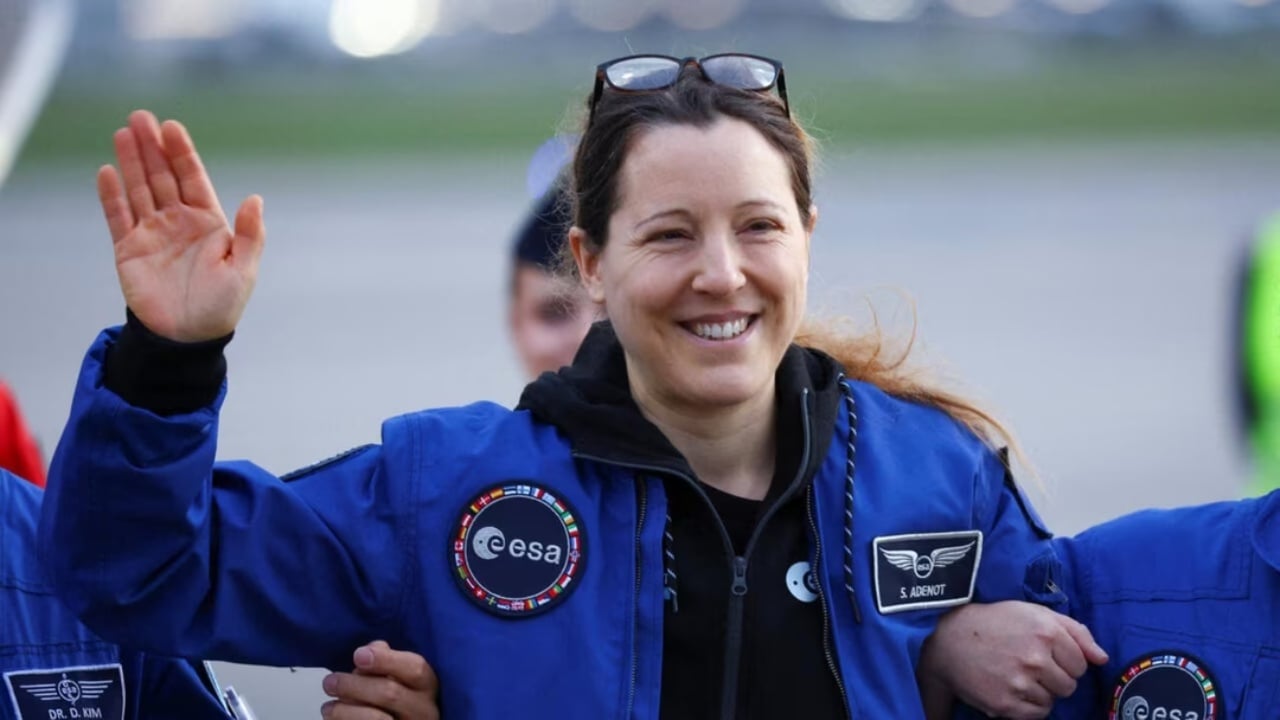
Splashdown in the Pacific and the first procedures
The return was broadcast live by NASA, as the capsule completed its descent in the designated area near California.
After splashdown, Dragon was lifted onto a specialized ship. Teams on site helped the astronauts exit one by one and undergo their first medical checks.
Who was on board
On board were American commander Jessica Meir, American Jack Hathaway, French astronaut Sophie Adenot, and Russian cosmonaut Andrei Fedyaev.
After the initial procedures, the planned itinerary for the crew includes helicopter transport to land and then a flight to Houston, where NASA’s center for astronaut operations is located.
Sophie Adenot’s mission
During this mission, Sophie Adenot became the first French woman astronaut to conduct a spacewalk outside the station.
She completed a total of three such spacewalks, two in August and one in September.
Crew change and the station’s horizon
A new four-member crew has already arrived at the orbital laboratory and is expected to remain for about six months.
The International Space Station has been continuously inhabited for a quarter of a century. According to the published data, its deorbiting and controlled fall into the ocean are projected around 2030.
Cooperation in orbit despite tensions on Earth
Although relations between the West and Russia remain tense after Russia’s invasion of Ukraine, operational cooperation in space between the United States, Russia and other partners continues.
This contrast between geopolitical confrontation on Earth and technical coordination in orbit remains one of the most distinctive elements of the space station program.
The return of Crew-12 closes another long rotation on the ISS, while the station continues to operate with a permanent crew and with time-limited plans for its future.
The mission underscores that, beyond the symbolism of the space race, infrastructure in orbit still remains dependent on coordination among powers that on Earth stand in open confrontation.