
The Strait of Hormuz, one of the most sensitive chokepoints for global energy traffic, has returned to the spotlight after reports of missile strikes on two ships. So far, the official account says an oil tanker and a container ship were affected by the attack, but many elements remain unclear.
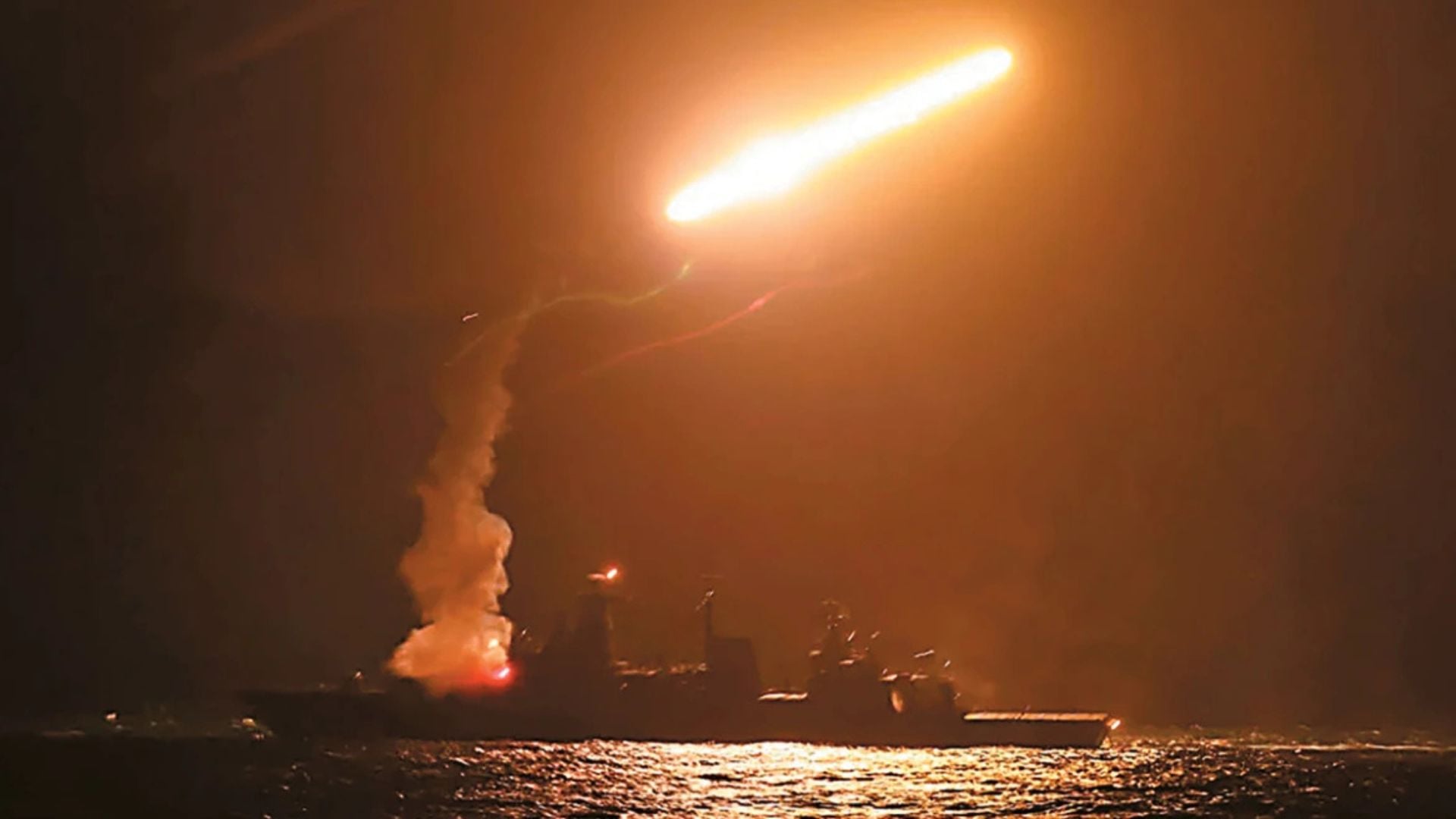
Initial report from British maritime authorities
The United Kingdom Maritime Trade Operations (UKMTO) said that a tanker and a container ship were hit by several missiles in the Strait of Hormuz.
At this stage, there is no complete picture of the scale of the incident, while the initial notice does not clarify either the origin of the missiles or the extent of possible damage.
Investigations are ongoing, the toll remains unclear
According to UKMTO, investigations into both incidents are continuing.
The same notice also said it was unclear whether the attacks caused significant damage or casualties, indicating that the information available remains limited.
Hormuz, where military control and trade collide
Since the start of the Iran-U.S. war in late February, Tehran has claimed control of the Strait of Hormuz and, according to reports, has targeted ships attempting to pass without its permission.
This has turned the maritime corridor into a high-risk zone, where every incident has immediate consequences for shipping security and international energy markets.
Iran-U.S. confrontation has pushed tensions at sea
For its part, the United States has imposed a naval blockade on Iranian ports, in response to Tehran’s closure of the strait.
Under these conditions, the latest incident is seen as part of a chain of escalations in which official versions circulate faster than full verification on the ground.
So far, there has been no independent confirmation of the full consequences of the strikes on the two ships.
What remains clear is that the Strait of Hormuz is sinking deeper into a cycle of uncertainty, where every report of an attack immediately translates into international alarm.