
A 16-year-old who took part in the protest in Tirana has made direct accusations against the police, saying that some of his peers were beaten, arrested and kept at the police station longer than permitted. His statements bring into focus how minors are treated during public gatherings, a point that requires transparency and institutional clarification.
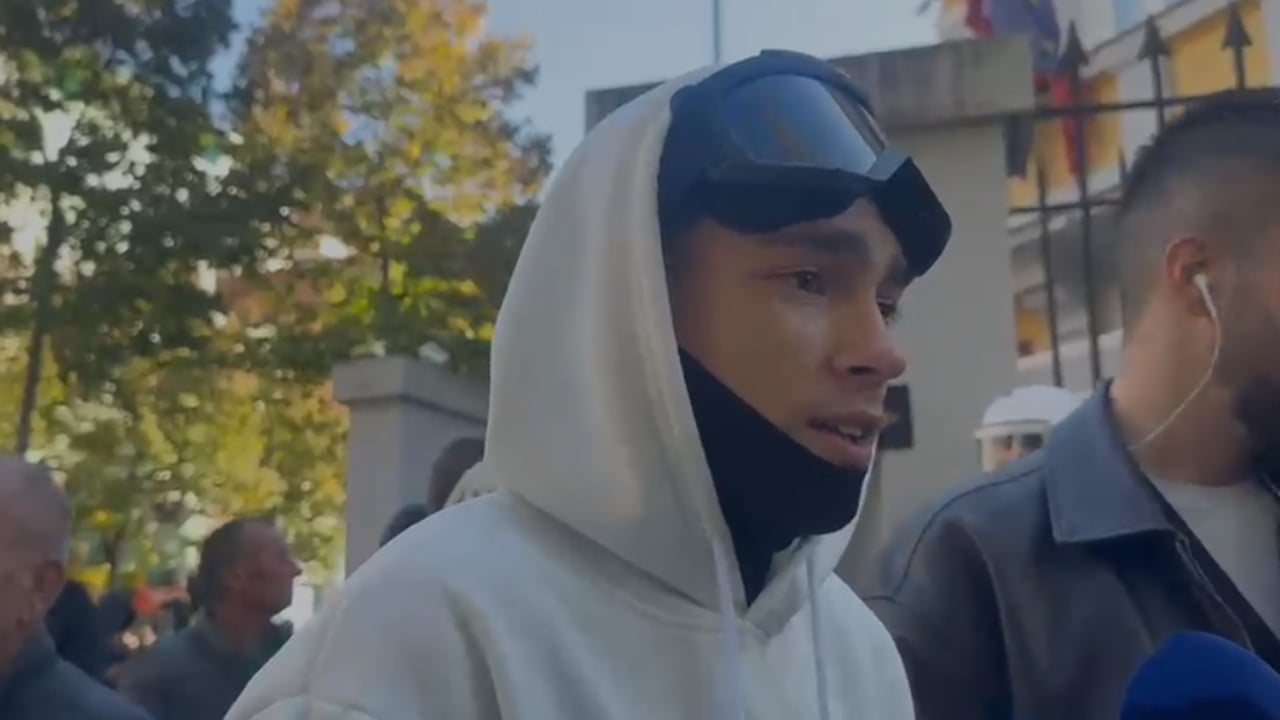
Strong accusations from a high school student at the protest
The teenager said he joins the protest despite fear of clashing with police and the possibility of arrest. He linked his participation to political dissatisfaction and concern about the future of young people in the country.
In his remarks, the 16-year-old called for protests to be allowed and repeated the demand for Prime Minister Edi Rama to step down. According to him, many young people are reacting not for confrontation, but because of what they see as a lack of prospects in Albania.
Claims of violence and prolonged detention of minors
The most serious part of his statement concerns the treatment of several young people by police. According to the 16-year-old, his friends were beaten and then kept at the police station longer than they should have been, even though they are minors.
He also said the detained youths were questioned beyond limits he considers acceptable. So far, no detailed official clarification has been made public regarding the length of their detention or the procedures followed in dealing with minors.
“We are not criminals,” the young protester’s message
In his statement, the high school student insisted that he and his peers should not be treated as criminals. He spoke in emotional terms about young people who, according to his account, were beaten and arrested while their family members waited for them at home.
His message focused on the right to protest and the demand for a better future. He said their protest has continued peacefully for months and that young people are not seeking escalation, but to be heard.
The question that remains: how were minors treated by police
Beyond the political statements made at the protest, the core issue remains the treatment of minors by law enforcement structures. If the claims of prolonged detention and violence are accurate, then this is a problem that goes beyond the day of the protest.
In such cases, the burden of explanation falls on institutions, not on minors who come forward publicly with accusations. Until there is a full and verifiable response, questions about police intervention and respect for procedures involving minors remain open.
The 16-year-old’s statement shifts attention from political rhetoric to a more sensitive issue: the line between public order and the rights of minors.
When such accusations are made publicly by underage protesters, institutions cannot be content with silence or general versions of events.