
The start of consultations by President Bajram Begaj on setting the date of the next local elections has drawn a harsh reaction from the opposition. Gazment Bardhi, head of the Democratic Party parliamentary group, described the move as a formal process with no real weight, targeting the President’s role in relation to the majority.
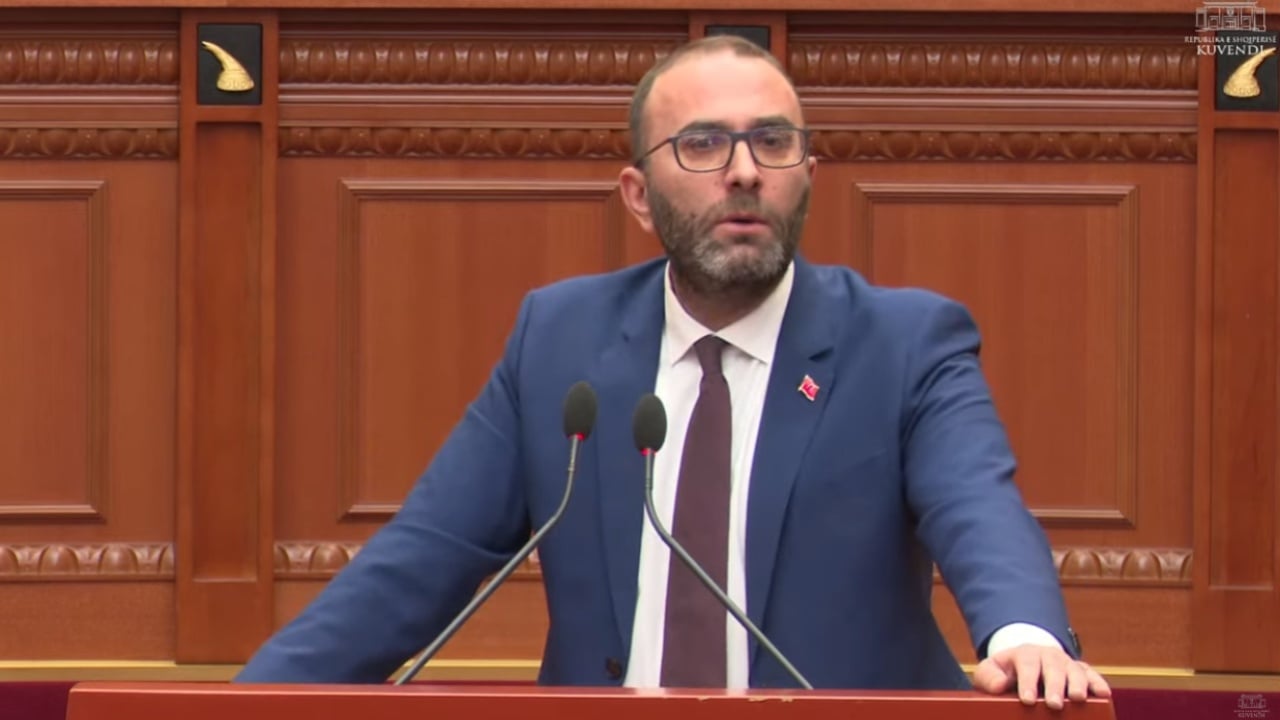
Harsh reaction from Bardhi
In his public reaction, Bardhi described the call for consultations as a “political theater” and said he considered the President’s invitation negligible.
He claims that the election date has already been predetermined by Prime Minister Edi Rama and that the consultations do not represent a real political or institutional process.
Accusations of a non-constitutional role by the President
In his statement, Bardhi made direct accusations against the head of state, saying that the President is not exercising the constitutional function assigned to him.
According to him, instead of protecting the institution he represents, Begaj is acting in line with the executive power.
Free elections at the center of the political clash
Bardhi links this debate to the broader political climate and to the demand for guarantees for free and fair elections.
According to the version made public by him, the President should have addressed concerns over election standards as an issue of democratic weight, rather than limiting himself to the procedure of consultations on the date.
What is known so far
The Presidency’s announcement said that consultations with political parties will begin on setting the date of the next local elections.
At this stage, the public clash has focused on the political legitimacy of this process and on the opposition’s claim that the consultations are being held over a decision already dictated by the majority.
The debate opened by this clash once again highlights the deep mistrust between the opposition and institutions on the eve of an electoral process that is expected to be challenged not only politically, but also at the level of public credibility.
Beyond the harsh political language, the core of the conflict remains the same: how real the consultations are and how independent the institution that is supposed to guarantee constitutional balance really is.