
Amendments to the law on the Bank of Albania have passed in the Laws Committee amid debate over the limits of the protection being granted to the Governor. Under the version approved by the majority, the head of the central bank cannot be detained, deprived of liberty through coercive measures, or subjected to personal or home searches for criminal offenses related to the exercise of official duties.
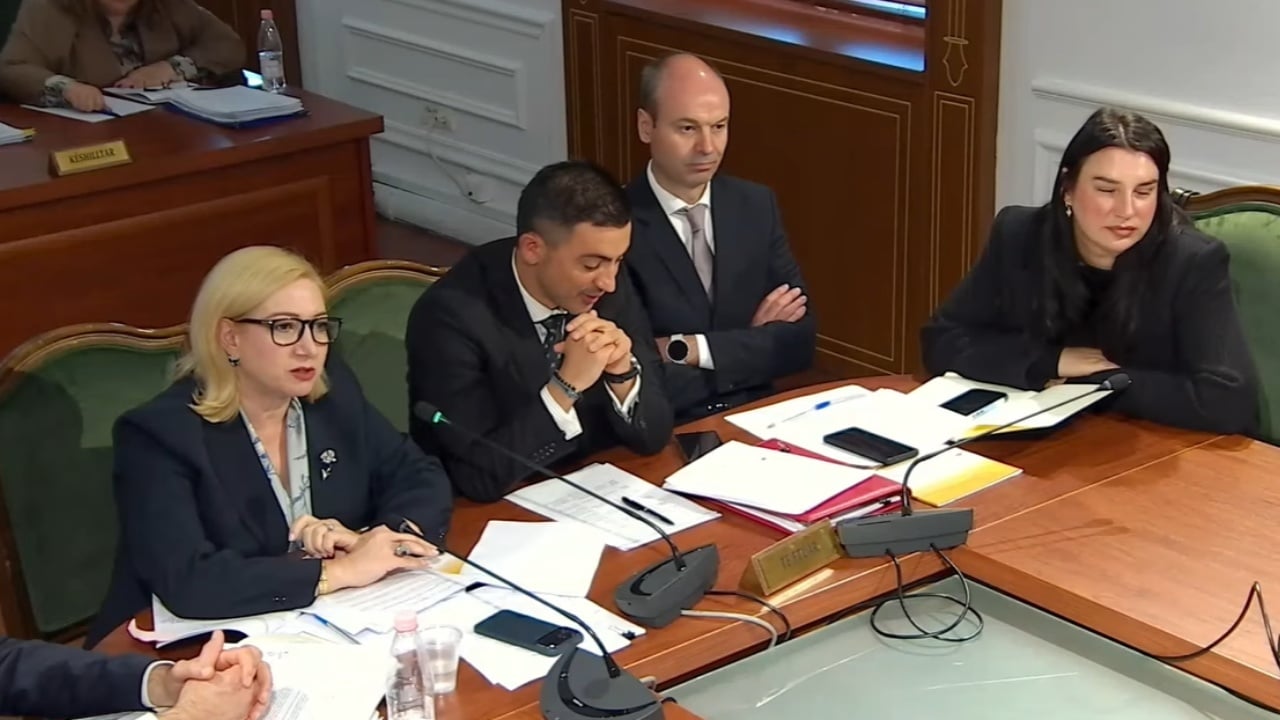
What the amendments provide
In essence, the draft affects two articles of the current law on the Bank of Albania and establishes a special protection regime for the Governor when the matter is connected to the exercise of the office. This means that in such cases, arrest, coercive measures, and personal or home searches are restricted.
The wording has been presented by supporters of the draft as a guarantee for the institution’s independence, but the debate in committee showed that not everyone sees it as a purely technical measure. This is precisely where reservations focused on the risk that institutional protection could turn into a personal privilege for the central bank’s highest-ranking official.
Gjiknuri: guarantees are being created that nobody else has
Socialist Damin Gjiknuri openly opposed the spirit of the amendments, arguing that the Governor is being given guarantees that, in his view, no one else enjoys except the President. He described this as an overreach and raised questions about the constitutional basis of the proposed protection.
According to him, the guarantee should come from the court and not from a legal formula that bypasses the constitutional standard. Gjiknuri’s position was one of the clearest signals that there is hesitation even within the majority about giving the head of the Bank of Albania a status that could be read as de facto immunity.
Zaçaj: the protection is not for the person, but for the institution
Defending the draft, Zaçaj argued that the amendments do not establish immunity, but rather a safeguarding provision. According to him, Article 72 proposes that any request for the Governor’s arrest must first undergo verification as to whether there is substantial evidence and whether the criminal offense is related to official duty.
He insisted that the protection is not granted to the individual because of the office, but to the institution in order to avoid interference from other powers that could hinder the independent exercise of the mandate. This is the central argument of the draft’s supporters, although opponents see a real risk in limiting investigative actions.
Concern over the investigation: how will evidence be gathered?
Reservations did not come only from Gjiknuri. The head of the Laws Committee, Ulsi Manja, also raised specific doubts about how the prosecution could gather evidence if personal and home searches of the Governor are restricted.
The question raised in committee was direct: if searches are restricted, is the investigation itself being restricted? This remains one of the strongest points of the debate, because it touches on the balance between institutional independence and the real ability of justice bodies to act when suspicions of criminal violations arise.
Approval in committee has not put to rest objections to the substance of the amendments. On the contrary, the debate has highlighted a fundamental issue: how far the protection of an institution can go without creating the perception that additional barriers are being put in place for the criminal investigation of senior officials.
With figures from the majority also raising reservations, the discussion over this package is expected to remain politically sensitive and legally contentious.