
Another question mark has been raised over how Erjon Veliaj’s transfer from Durrës to Fier is being handled. After a visit this evening to the high-security prison, his lawyer made direct allegations about missing documentation, harsh detention conditions, and restrictions on basic rights at the institution.
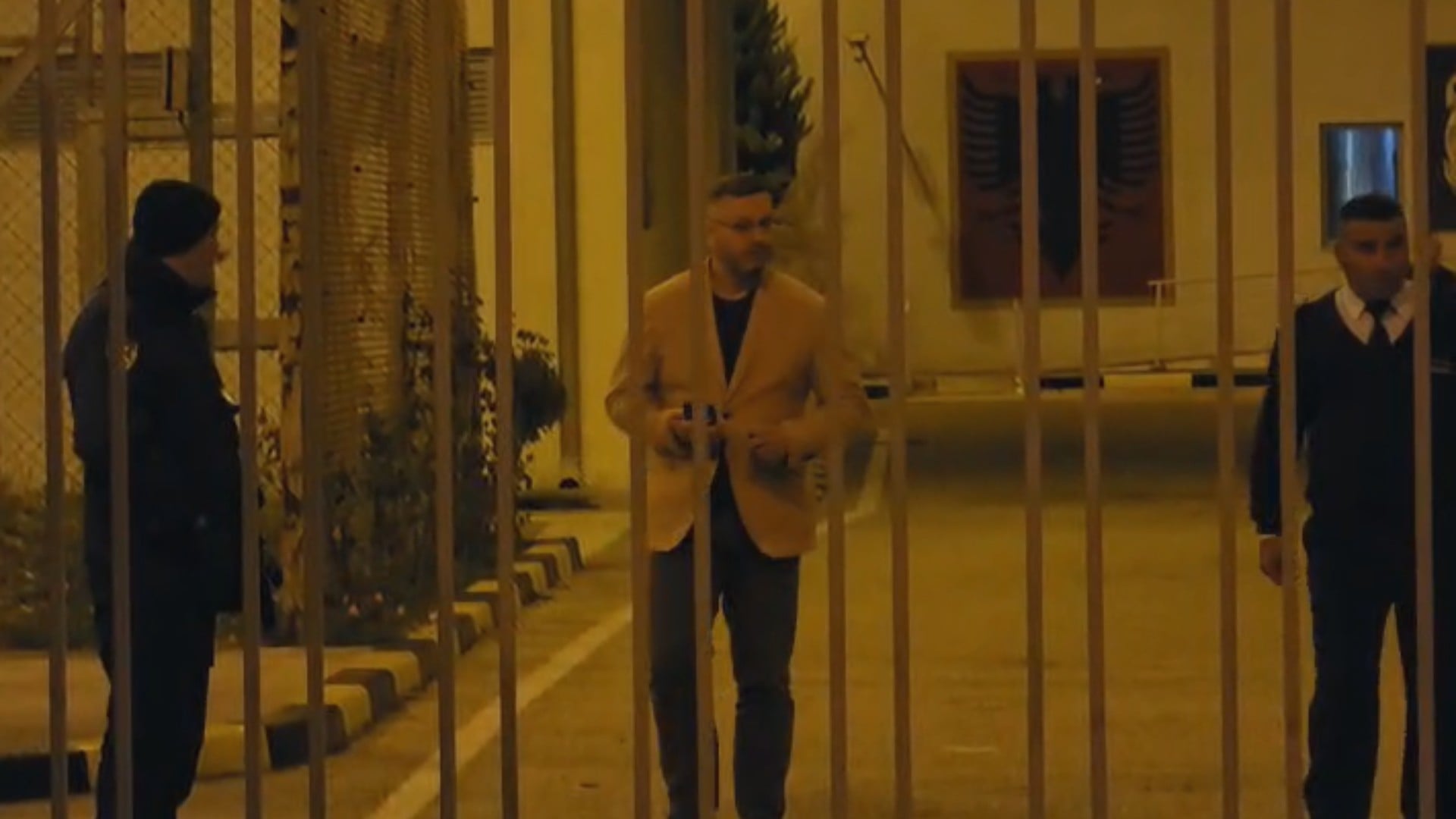
Visit to IEVP Fier after Veliaj’s request
The Ombudsman and Erjon Veliaj’s lawyer arrived at the high-security prison in Fier following a request by the Tirana mayor himself, who opposes the transfer from Durrës prison and considers it unlawful.
According to information reported from inside IEVP Fier, the Ombudsman met with Veliaj and then left the institution’s premises. The visit came at a time when his transfer has triggered public reaction and claims of rights violations.
Lawyer raises claims of isolation and inappropriate conditions
After the meeting, lawyer Plarent Ndrecaj said his client is being held in an isolation area together with two other inmates sentenced to life imprisonment. According to him, conditions in this sector are inappropriate and problematic for the status in which Veliaj currently is being held.
At this stage, these are claims by the defense, and there has not yet been a detailed public response from the prison administration regarding the way he is being housed in Fier.
Doubts over the legality of the transfer
According to the lawyer, the transfer from Durrës to Fier was carried out without any written order being made available to justify the decision. This is the core of the challenge being raised by the defense, which sees the move as unjustified and contrary to procedure.
The claim of missing documentation places the burden of clarification on the responsible institutions, especially given that this involves a transfer to a high-security prison.
Complaints also raised over health and family contact
The lawyer also said Veliaj had not been provided with a medical examination, although, according to him, he has had leg problems for more than three weeks. He also claimed that his client had not consumed food.
Another concern raised by the defense relates to communication. According to the lawyer, Veliaj was not allowed telephone contact with his family or with his legal representative.
Response sought from the Justice Ministry
After the inspection at the institution, the lawyer thanked the Ombudsman for the visit and called on the Ministry of Justice and the responsible institutions to clarify the circumstances of the transfer and the detention conditions.
So far, the authorities have not provided a public response to the claims regarding isolation, the lack of a transfer order, and restrictions on communication rights and medical treatment.
The issue remains open between the defense’s account and institutional silence. Without an official, reasoned explanation, doubts over the legality of the transfer and treatment standards at Fier prison are only increasing.