
The meeting of the Special Commission on Electoral Reform failed amid disagreements over the agenda, once again highlighting the crisis in political cooperation over election rules. After the deadlock, the head of the Socialist Party parliamentary group, Taulant Balla, gave the Democratic Party a firm deadline: November 30.
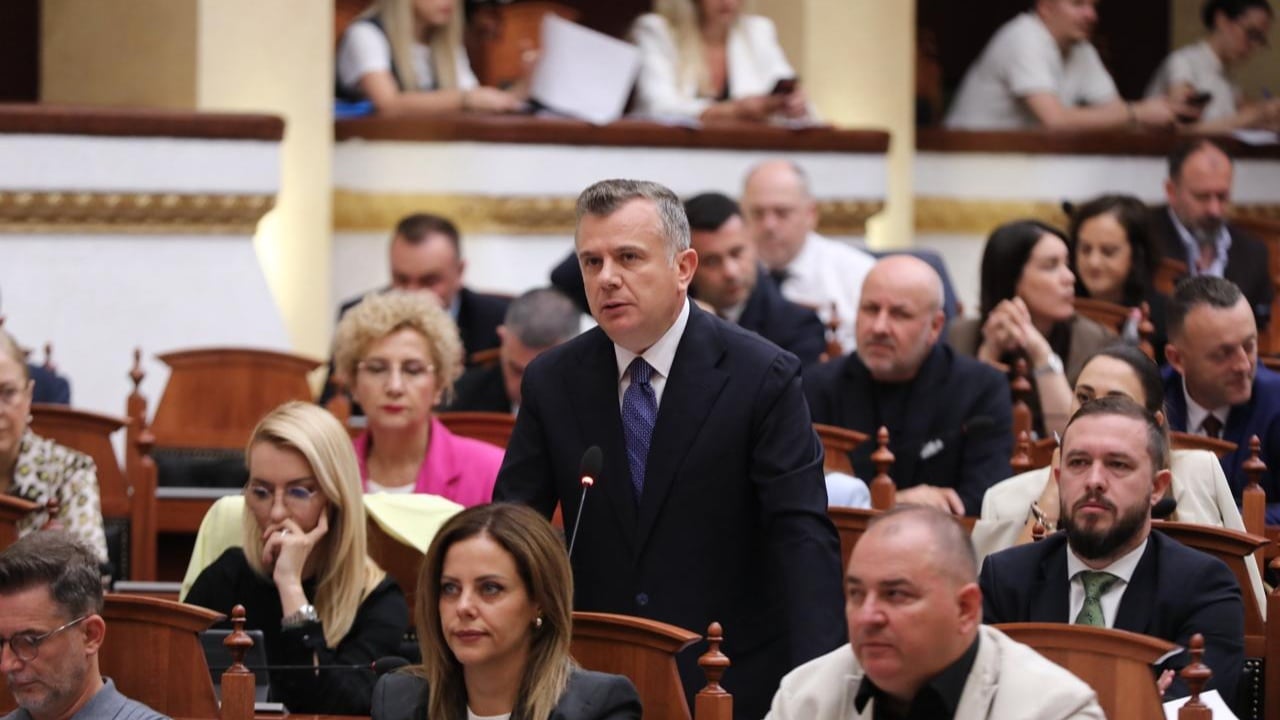
The clash over the commission and the new political deadline
According to Balla’s statement, the Democratic Party must return to the commission by November 30 to discuss the OSCE/ODIHR recommendations. Otherwise, the majority warns that it will move forward alone with the changes and take them to parliament, relying on its three-fifths majority.
The SP’s message is clear: the blockage of the process will not be waited out indefinitely. But this warning comes at a time when electoral reform itself remains hostage to conflict between the sides, while issues with a direct impact on election standards remain without a consensual political solution.
Four points that the SP says must be addressed
Balla listed four areas that, according to the SP, must be addressed within the framework of the reform: depoliticizing election commissions, financing of political parties, regulation of campaign media coverage, and separating the state from elections by curbing the involvement of the public administration in the campaign.
These have been recurring themes for years in debates over elections in Albania and are directly linked to long-standing criticism of partisan influence over election administration and the use of state power in campaigns. For this reason, political statements still have to be measured against the concrete text of the proposals and the real willingness to vote for them.
What the majority proposes for the elections and municipal councils
According to Balla, the majority’s goal is for the May 9, 2027 elections to be held with the necessary legal and sub-legal changes. One of the ideas presented is to guarantee representation for areas that have been included in merged municipalities, mentioning Rrogozhina and Kavaja as an example, so that each area has representatives on the municipal council.
He also said that the SP has proposed restoring vote counting at polling stations, arguing that this would significantly reduce the time needed to produce the final result. This is one of the points expected to spark debate, since any change in the vote administration chain requires not only political agreement, but also guarantees for the integrity of the process.
No to 100% open lists for municipal councils
Asked about the possibility that members of municipal councils be elected through 100 percent open lists, Balla spoke against it. According to him, the current formula is better suited to guaranteeing functioning and representation in municipal councils.
Along the same lines, he said the SP is also working on other ideas for how parties can ensure representation of the entire territory in the preliminary selection of candidates for municipal councils. These ideas, he said, are expected to be presented at the SP National Assembly on November 14.
For now, the process remains blocked, and the deadline set by the majority increases political pressure on the opposition, but without in itself guaranteeing a reform by consensus.
On an issue as sensitive as election rules, a unilateral move in parliament may produce the numbers, but not necessarily public trust in the standards of the process.