
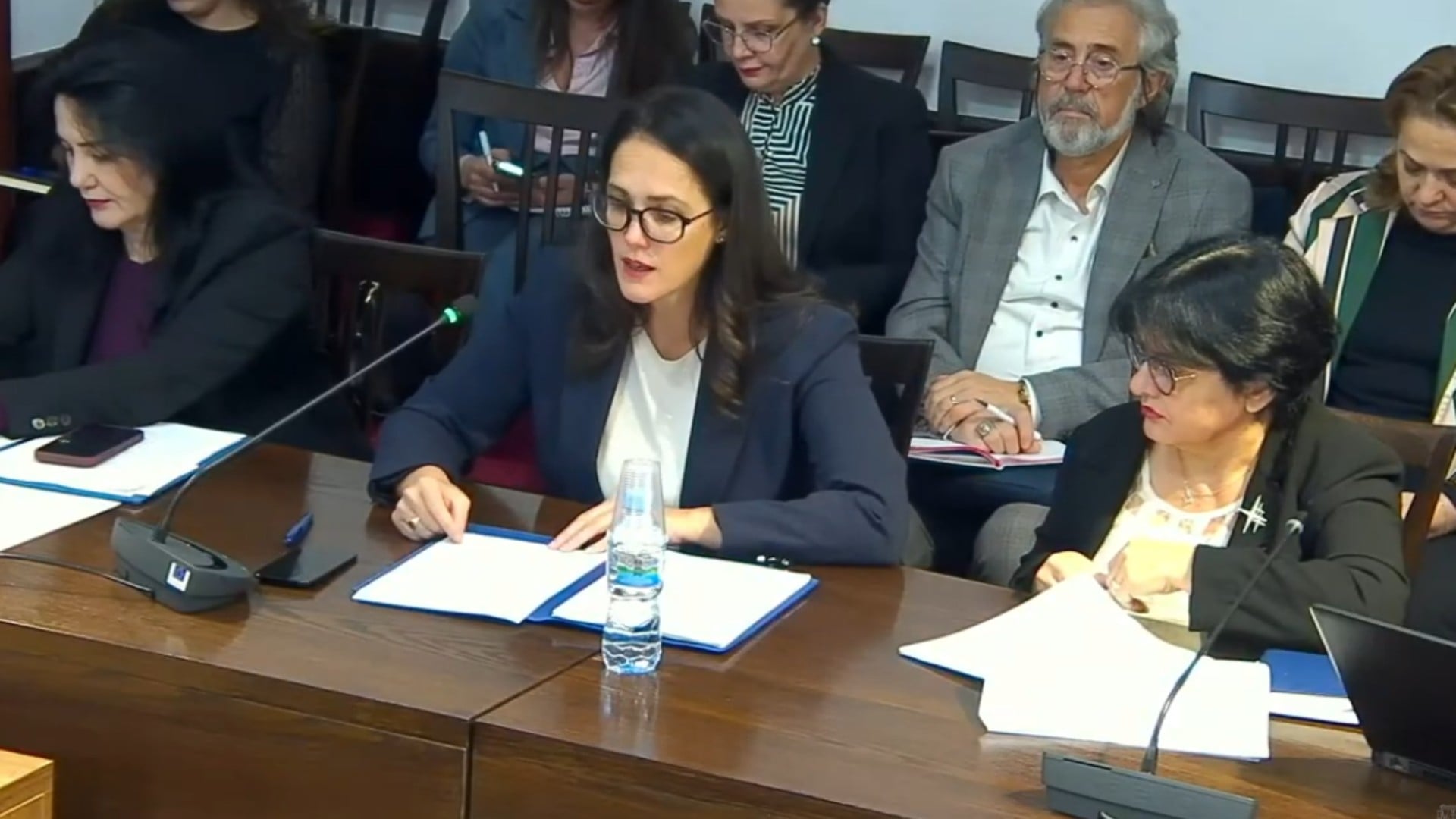
The government is signaling an economic slowdown at the end of the year, but is shifting responsibility to the protests and their impact on businesses. In the Economy Committee, Minister Delina Ibrahimaj said the damage caused during the protests is being reflected in economic activity, while the opposition sought clarification over the lower growth forecast.
Government acknowledges weaker economic pace
During her reporting to the Economy Committee, Delina Ibrahimaj said the final quarter of the year is expected to have a negative impact on economic performance. According to her account, businesses have started to feel the effects of violence during the protests, and this will translate into lower growth.
In essence, the government is acknowledging that the economy is not maintaining the same pace, but argues that the blow comes from the situation on the ground and not from economic policies or weaknesses in its own fiscal model. This is a claim that was articulated politically in the committee, without being accompanied there by detailed data on the specific scale of the damage.
Clash over the 3.9% forecast
The debate intensified after Democratic Party MP Bujar Leskaj asked for explanations about the economic growth forecast of 3.9%, down from 4% a year earlier. He contrasted this figure with the majority’s optimistic rhetoric about the economy.
The opposition’s question was aimed precisely at the gap between political language and the indicators being presented in the budget. If growth is projected to be lower, then the propaganda about exceptional economic performance remains exposed by the very figures the government itself is submitting to parliament.
Ibrahimaj: civic protests are not violent, but the damage is affecting business
In her response, Ibrahimaj drew a distinction between civic protests and episodes she described as violent. According to her, it is precisely this part that has brought consequences for private enterprises and, as a result, for the pace of the economy.
The minister’s statement places the emphasis on the immediate effect on business, but does not provide a full picture of the scale of the impact on macroeconomic indicators. For now, the government’s main message is that a slowdown is expected and that part of the bill is being attributed to unrest during the protests.
Pensions and the idea of tiered indexation
In the same discussion, the issue of pensions was also raised. Socialist MP Erion Braçe called for a review of the indexation formula, arguing that lower-income groups are hit harder by inflation.
Ibrahimaj said she is ready to launch a study on a possible tiered indexation formula, so that the benefit would be greater for low-income families. For now, this is a commitment to study the issue, not a decision that has been taken or a finalized scheme.
Market checks after the VAT cut
The minister also touched on fiscal changes, saying there will be market checks after the VAT reduction to 6%. According to her, the aim is to avoid price abuses and monitor the implementation of the turnover tax.
This means the government acknowledges the risk that tax relief may not automatically translate into a benefit for consumers. In practice, the test remains real market oversight rather than political announcements in parliamentary committees.
Amid lower growth figures and the justification tied to the protests, the debate in the Economy Committee highlighted a broader question: how much of the slowdown comes from momentary crises and how much from the limits of the government’s own policies.
At the same table, pensions and market oversight after the fiscal changes showed that pressure on families and businesses remains present, despite the optimistic tone that often accompanies official statements.