
The hearing in the “Partizani” case at the Special Court Against Corruption and Organized Crime, GJKKO, was marked by testimony that highlighted a chain of decision-making in which responsibility appears to be pushed from one office to another. Four people called by the Prosecution gave their versions of the role of institutions, the signatures on documents, and the internal objections that, according to the testimony, had emerged at the time.
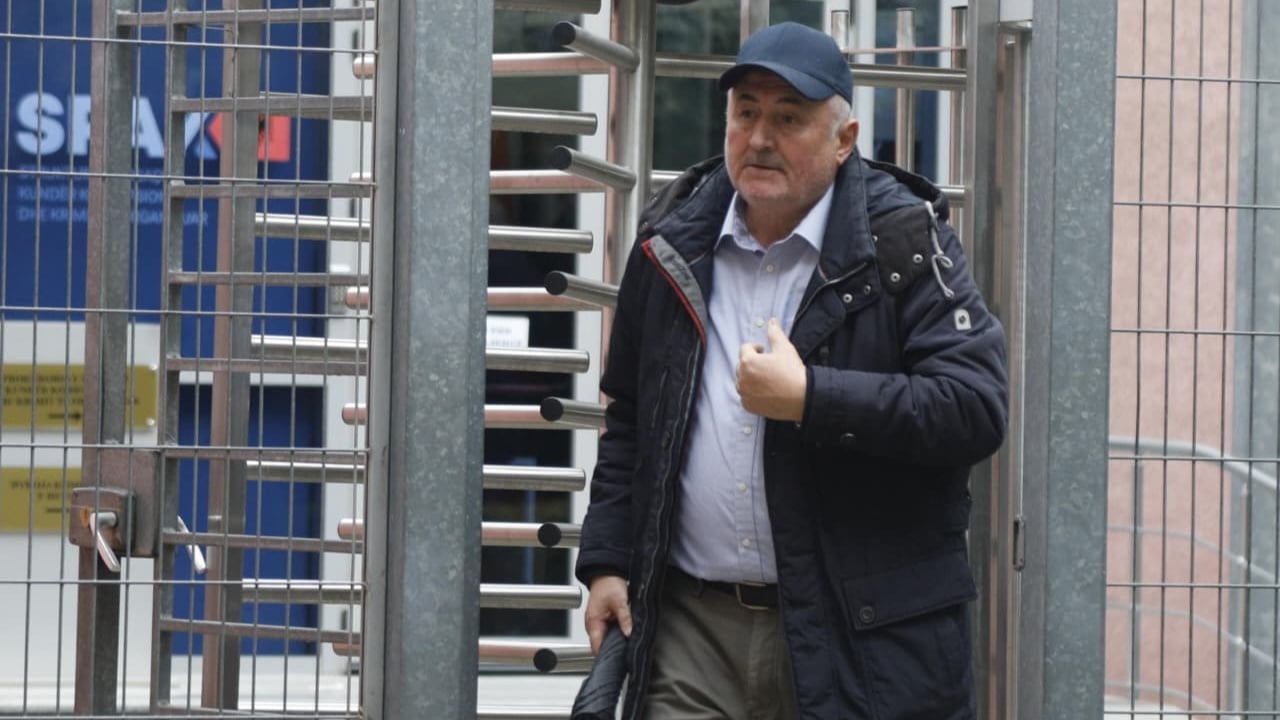
Boriçi: Appointed by Berisha, with no discussion of the case
Justina Boriçi, former director of property restitution and compensation, told the court that she had been appointed to the post by former Prime Minister Sali Berisha and that there had been no prior discussion about the case that is now the subject of trial.
According to her testimony, the regional office in Tirana had handled the case and she had not been made aware of any complaints regarding the properties in question. Boriçi also claimed that Berisha had not intervened in their restitution and that the directorate she led was subordinate to the prime minister, so communication regarding her appointment was, according to her, a normal procedure.
Mediu: The minister signs, the structures prepare the letters
Former Defense Minister Fatmir Mediu distanced himself from direct responsibility for the documents bearing his signature. According to him, the minister did not draft letters, but only signed them, while the content and supporting basis were the responsibility of the relevant structures.
In the courtroom, he said that a minister could sign from 10 to 100 letters a day and that it was not possible to remember all of them. Mediu insisted that the “Partizani” club had not been an object of interest for him as minister and that the political department, according to his version, had no competence over the deployment plan.
Debate over the property and privatization
Mediu said the procedures for privatizing the property had begun earlier, referring to correspondence from 2001-2002 and documents that, according to him, dated back to the previous government. He also mentioned reforms at the time in the Ministry of Defense and the reorganization of military properties within the framework of operational requirements.
In his testimony, the former minister claimed the property had been occupied and that many army assets, due to the reduction of structures, could not be managed in practice. He also presented himself as a supporter of laws in the interest of property owners, shifting the debate to how properties outside the deployment plan were administered.
Former commander: I opposed signing, it was requested urgently
One of the strongest testimonies in the hearing came from Vladimir Qirjazi, former commander of the support force. He said that in March 2009 he had been informed of the order of the then defense minister, Gazmend Oketa, for the signing of documentation for the sale of the “Partizani” club, but that he had refused because, according to him, the structure he led had no connection to that property.
Qirjazi said that after this objection, a team from the Anti-Corruption Directorate arrived at his office and asked him for an explanation for not signing. According to his testimony, the reports later drafted did not reflect the claims he had presented with official documentation and even recommended that disciplinary measures be taken against him.
Meeting with Bamir Topi and pressure to sign
The former commander said that, because of the situation, he had sought a meeting with the president at the time, Bamir Topi, initially without success. Only after he had sent him an official letter, according to him, was he received and told to continue by applying the law.
Qirjazi added that Gazmend Oketa had also asked him to sign the documentation, telling him that the same thing was being asked of him as well, but without showing who the request came from. According to the witness, the request for his signature was repeated urgently and he had also informed Maksim Malaj of this, who also testified at the hearing.
The latest hearing once again highlighted a familiar element in cases of public interest: the signatures exist, but responsibility for their content remains contested.
At this stage of the proceedings, the testimony is showing not only the personal versions of former officials, but also the way the state apparatus functioned when it came to property, orders, and decisions with political weight.