
The electricity interconnection project between Greece and Cyprus has become another point of diplomatic tension in the region, as Athens seeks to shut down any debate over the idea that the initiative might require approval from Turkey. The official Greek position presents the matter as settled: the procedures, according to the government, pass only through Athens and Nicosia.
Athens rejects claims of authorization from Turkey
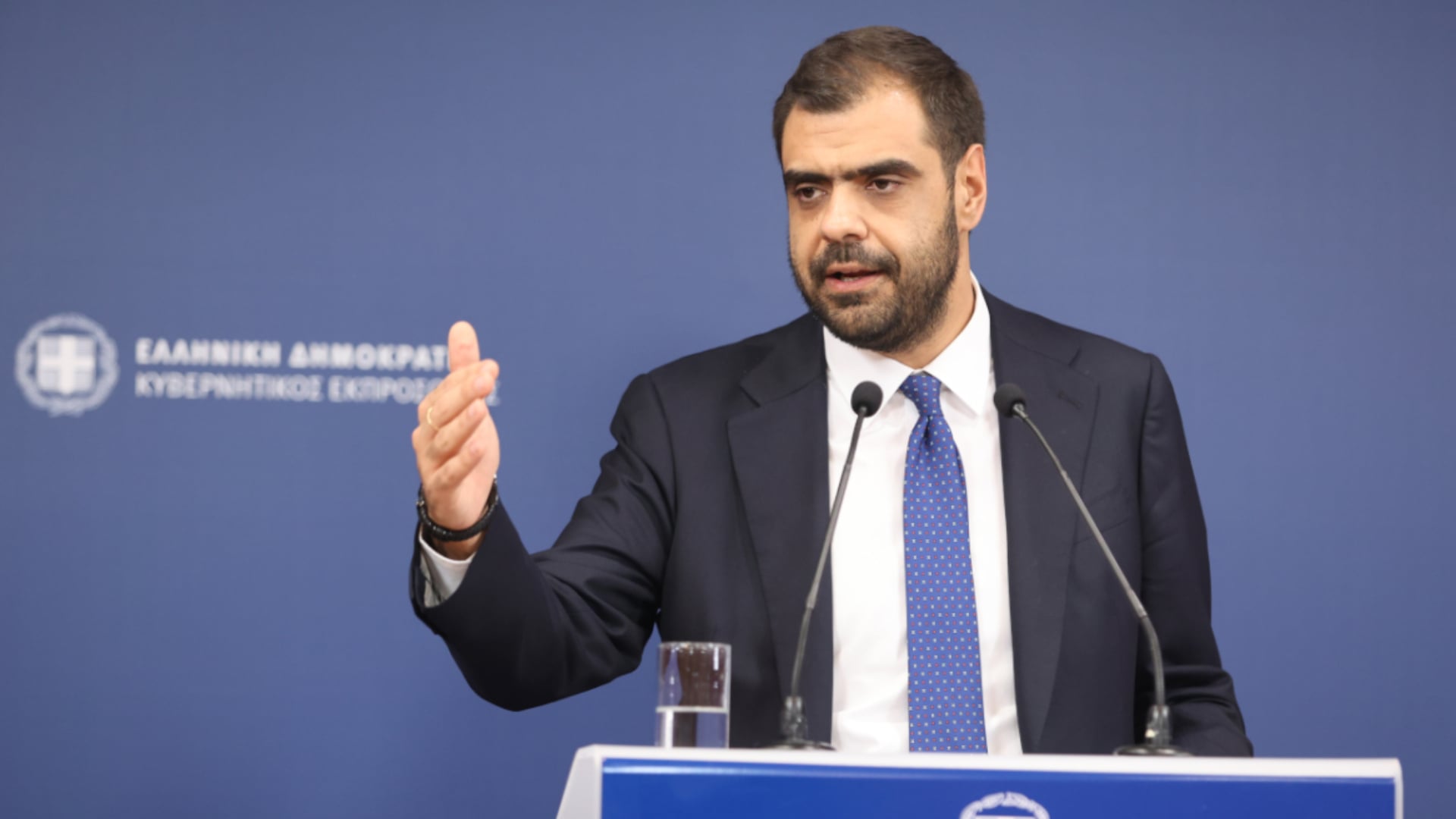
Greek government spokesman Pavlos Marinakis said on public broadcaster ERT that no permission has been sought, nor would it be sought, from any other state apart from Greece and Cyprus for the project.
According to him, the procedures have been carried out by the Greek and Cypriot authorities, in line with the rules and international law. The response comes at a time when the project is being accompanied by political and diplomatic interpretations beyond the technical aspect of energy infrastructure.
What Athens said about France’s diplomatic note
The Greek government also addressed the French diplomatic note, which has entered the debate as an element that could be interpreted as a form of authorization. Marinakis rejected that reading, saying that such a communication produces no legal consequences and cannot be considered permission.
According to the official Greek version, France has a direct interest in the project because of the involvement of two French companies. Athens acknowledges that it was aware of this diplomatic communication, but insists that informing other countries does not amount to requesting approval.
A strategic project, but with clear geopolitical weight
Marinakis described the Greece-Cyprus electricity interconnection as infrastructure of European importance, stressing that the aim is to end the island’s energy isolation.
According to him, Cyprus remains the only European Union member state without an electricity interconnection with the other countries of the bloc. This gives the project not only an energy dimension, but also visible political weight in the Eastern Mediterranean, where technical issues rarely remain purely technical.
Between sovereignty and the rhetoric of stability
The Greek government says the project will proceed according to plan and that the relevant institutions, including the Foreign Ministry, are following developments.
Along the same lines, Athens is trying to hold together two messages: that it will not compromise on issues of sovereignty, but also that it aims to preserve peace and stability in the region. This diplomatic formula suggests that the political clash surrounding the project remains open, even as the Greek side tries to present it as a legally indisputable matter.
At its core, Athens’ response aims to dismantle any perception that the Greece-Cyprus electricity cable project could be made conditional on a third party.
But the fact that the Greek government is being forced to provide repeated clarifications shows that the issue is not being viewed only as an energy investment, but as part of a broader diplomatic balance in the region.