
Electoral reform is once again entering a phase of political pressure, with the Socialists speaking of dialogue on the one hand while setting firm deadlines for the opposition on the other. After the public ultimatum to the Democratic Party, the Socialist Party is seeking swift movement on the Electoral Code, linking it to the local elections and to the changes brought by the new territorial map.
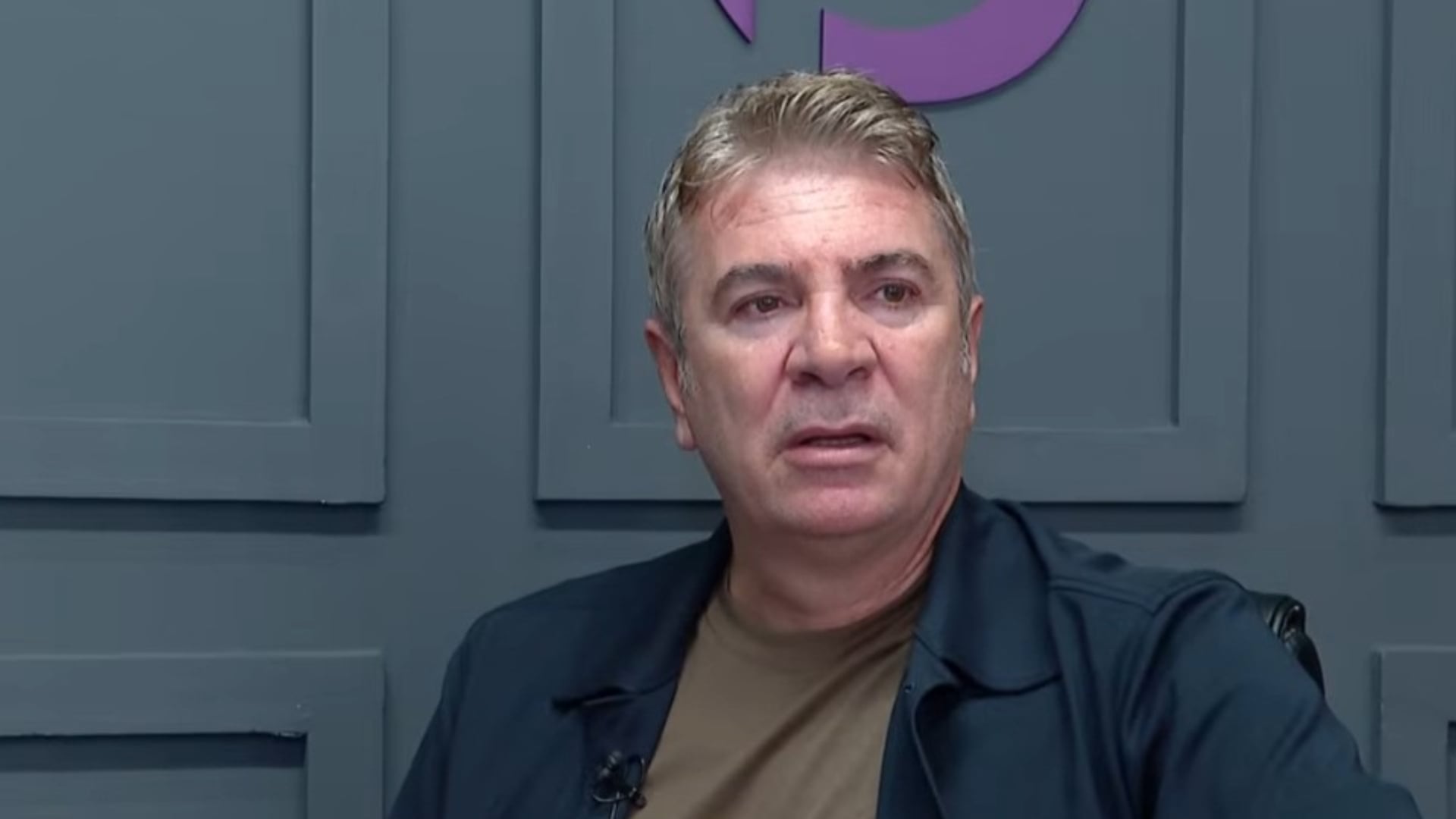
PS softens its tone after the public ultimatum
Just 24 hours after Taulant Balla gave the Democrats a deadline on the electoral law, Socialist co-chair of the Electoral Reform, Damian Gjiknuri, appeared with a softer tone and invited the opposition to return to the table.
According to Gjiknuri’s statements, the time to reach a compromise is limited, but the Socialist Party says it remains ready to negotiate. He indicated that everything will depend on the package the opposition presents and on its political and technical feasibility.
Why the Socialists are rushing the changes
The majority’s urgency is linked to the approaching local elections and to the need, according to the Socialist Party’s position, to reflect in the Electoral Code the consequences of the new territorial map.
At the center of the requested interventions is the distribution of seats for municipal councilors. The Socialists present this as an issue affecting the legitimacy of the process, increasing the political weight of the deadline set for an agreement.
Berisha seeks a system change, PS responds with the Constitution
While the reform has remained stalled, Sali Berisha has called for a change to the electoral system. This has shifted the debate beyond technical amendments to the code and turned the issue into an open political clash over the rules of the game.
In response to this demand, the Socialists have put another line on the table: constitutional changes, which according to Gjiknuri’s statements would also include reducing the number of MPs in Parliament.
November 30 deadline and the commission ending its mandate
Pressure on the sides is also tied to the institutional calendar. On November 30, the mandate of the special commission on electoral reform expires, turning that date into the formal deadline for reaching a compromise.
This means that, beyond the language of dialogue, the sides are moving under time pressure and with positions still far apart. So far, amid ultimatums, conditions and counterproposals, the reform remains more of a political battle than a near agreement.
At this stage, what is presented as a call for compromise remains conditioned by the electoral calculations of both camps.
With the deadline approaching, it remains to be seen whether the sides will produce a real agreement or once again use the reform as an instrument of political pressure.