
The debate over Belinda Balluku’s real weight in the government has resurfaced within the Socialist Party itself. In a closed-door discussion at the National Assembly, Edi Rama reacted to claims linking the deputy prime minister to decisive influence over the selection of ministers and appointments in the public administration.
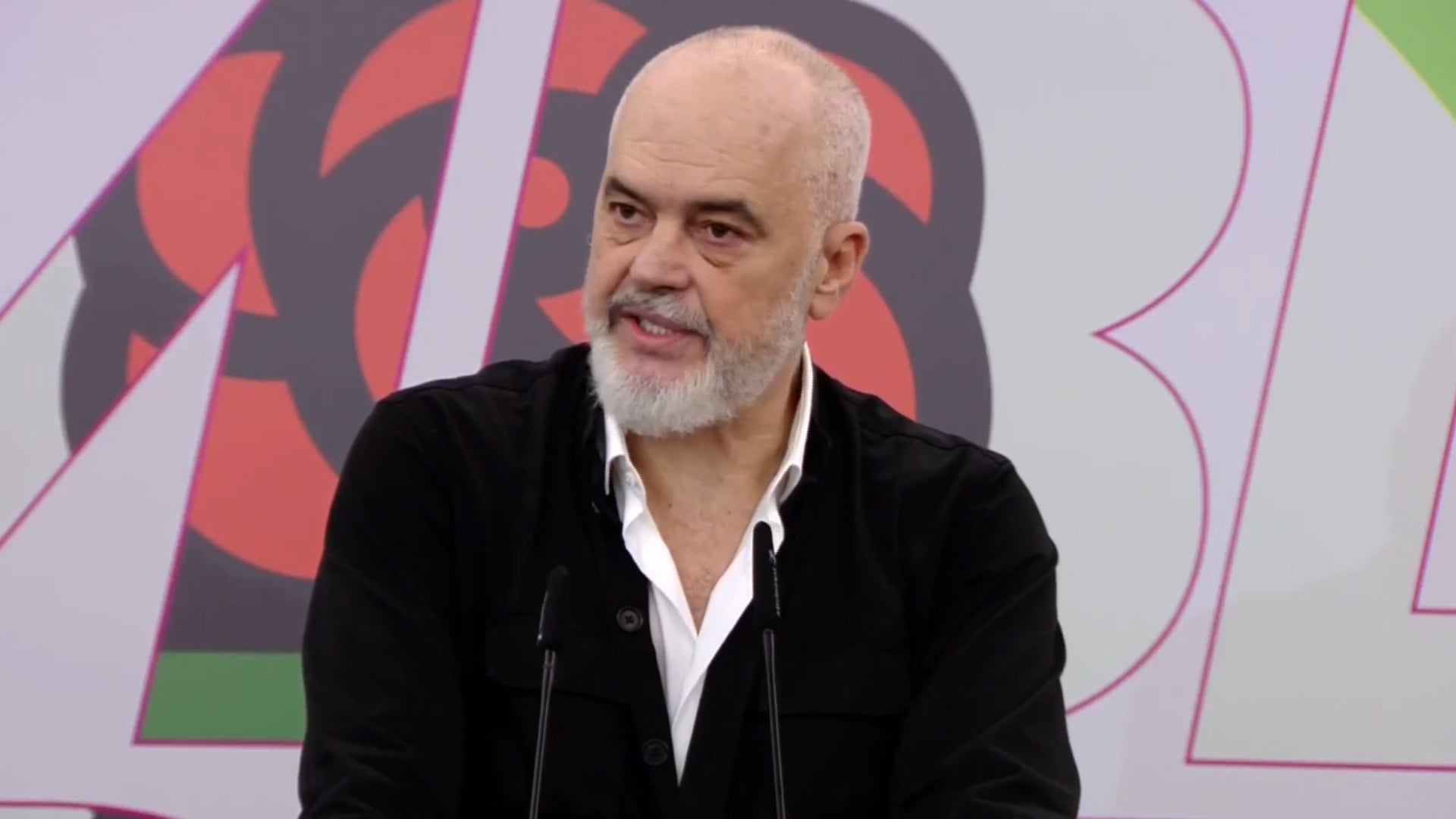
Sharp reaction in closed meeting
According to the version made public from the internal discussions, Rama strongly rejected claims that Balluku exerts pressure or blackmail over his political decision-making.
The prime minister sought to shut down speculation about another decision-making center within the cabinet, at a time when the names of ministers and the balance of power in government continue to generate political noise.
What is being said about the selection of ministers
According to the statement attributed to Rama at the meeting, he said that he chooses the ministers himself and that no one holds him hostage.
Along the same lines, it was clarified that directors, under the scheme described by him, are selected by ministers in cooperation with the political leaders of the counties. This means that responsibility for appointments, in the official version, is shared according to the party and government hierarchy.
Balluku at the center of speculation
Rama’s reaction comes after repeated claims of Belinda Balluku’s strong influence over key government decisions and administrative appointments.
Although the prime minister has dismissed these claims, the fact that the issue was addressed in a closed political forum shows that the discussion over real influence in government has not disappeared. On the contrary, it remains part of internal tensions and interpretations within the ruling majority.
The political message behind the denial
At its core, the statement serves as an attempt to publicly reassert Rama’s personal authority over the cabinet and the chain of appointments.
But the political denial, in itself, does not close the questions over how decisions are made in government, especially when debates over positions, influence and internal balances continue to surface from time to time.
Rama has chosen to present the issue as a legend built around Balluku and her relationship with him. Nevertheless, his reaction shows that the issue of influence in government continues to be highly sensitive even within the Socialist camp.
Given that the discussion took place behind closed doors, the public has only the version conveyed from inside the meeting, without other elements to further verify the debate or the real weight in decision-making.