
Prime Minister Edi Rama came to the defense of the public procurement system, claiming that 93% of contracts in Albania are won by small and medium-sized enterprises. In the same vein, he also offered an ambitious comparison with some of Europe’s most developed countries, saying Albania is ranked in the same group as Germany, France and Finland.
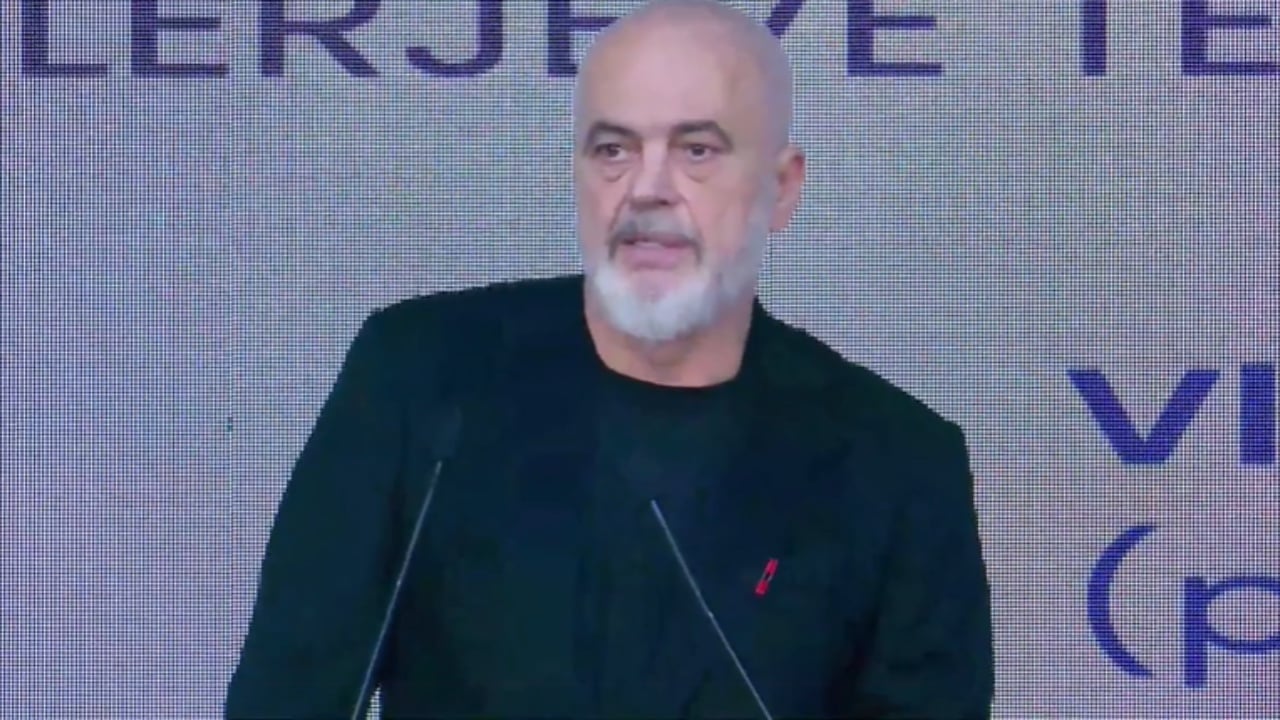
The government’s claim on 93% of contracts
According to Rama, the vast majority of public contracts in the country go to SMEs, at a rate he put at 93%. With this figure, the prime minister sought to counter repeated accusations that public funds end up with a limited number of operators.
He presented this indicator as proof that small and medium-sized businesses have broad access to public tenders, although he did not provide further details in this statement on the actual distribution of the financial value of those contracts.
Comparison with the European Union
In his statement, Rama said that in European Union countries SMEs win around 46% of public contracts, while in Albania this figure reaches 93%. He added that the EU’s economic structure is different, but still used the comparison to support the government’s narrative of strong performance in this sector.
This is one of the main arguments the government is using to defend the way tenders are managed, in a field that has for years remained under public scrutiny over a lack of competition and the concentration of funds.
The SIGMA report and the comparison with Germany, France and Finland
Rama said Albania scored 81 out of 100 in the SIGMA report on public procurement. According to the version he presented, that assessment places Albania in the same group as Germany, France and Finland.
He also said this result overturns claims of problematic indicators in non-competitive tenders, insisting that Albania performs better than other European Union countries.
What the government is signaling for the next phase
In the same appearance, Rama said the government aims to take the public procurement administration to another level of organization, with a more specialized structure.
He also mentioned the creation of the Centralized Purchasing Operator, which according to him has shown the value of consolidating a shared administration in this field.
The prime minister’s statements come at a time when public procurement continues to remain one of the most sensitive areas of public debate because of its weight in the use of taxpayers’ money.
Beyond the figures presented by the government, the way contracts are allocated, the level of competition and the actual concentration of funds remain essential to understanding how transparent the system is in practice.