
The Committee on Internal Affairs and Defense has approved the normative act with changes to the law on assemblies, a package that directly affects how protests are organized and where they can be held. With a majority vote, measures were passed that, according to the government, aim to protect institutions and prevent violence, while the opposition sees them as an instrument of pressure against citizens and is warning of a confrontation at the Constitutional Court.
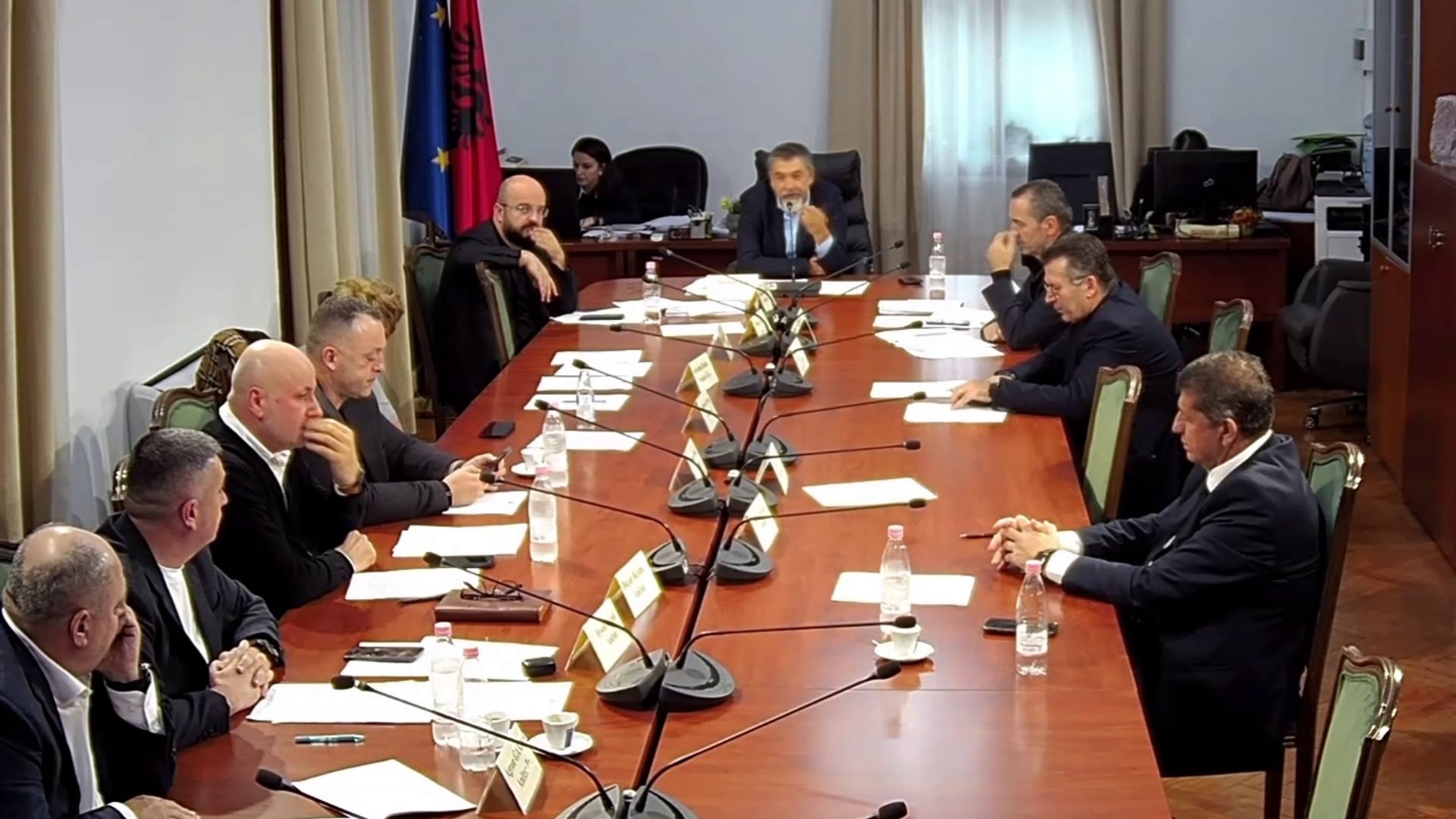
Approved in committee, with little formal opposition
The normative act was approved with only one vote against and one abstention in the Committee on Internal Affairs and Defense. Although the issue concerns the right to assembly and protest, the opposition’s reaction in committee was limited, and the main intervention came from MP Isuf Çelaj.
The approved changes provide for restrictions on the places where assemblies may be held, as well as punitive measures in the form of fines for organizers or participants, depending on the violations identified by the authorities.
What the changes include
According to the presentation made to the committee by Deputy Interior Minister Xhemal Qefalia, the package creates the possibility for temporary restrictions under the argument of protecting institutions and defining protected zones.
Calls for violence on social media are also in focus, with discussion of audiovisual documentation as well as an escalation of fines. These points raise questions about the boundary between public order and interference with civil rights, especially when they involve monitoring public online communications and stronger administrative sanctions.
Opposition: fines are being used as intimidation
PD MP Isuf Çelaj opposed the act, stating that the government is using high fines as a means of intimidating citizens and that the changes are intended to stifle protests.
He also raised doubts about how the monitoring of social media is envisaged, asking how such a thing can be done without a court decision and describing it as interference in private life. According to him, the opposition will take the issue to the Constitutional Court.
Police say violence has declined
Also reporting to the committee was Public Order Director Agron Çeli, who said that during the implementation of this act, acts of violence had decreased and there had been fewer masked individuals at assemblies.
This is the authorities’ version of the effects of the measures, but it remains to be seen whether the new restrictions will pass without broader public and constitutional debate, as they affect a fundamental right such as assembly.
The act on damaged businesses was also voted on
At the same meeting, the committee also voted on the normative act on compensation for small businesses damaged during the protest.
The parallel vote on the two acts gives the government the opportunity to simultaneously maintain the narrative of order and that of compensation, while the real debate remains over the measure restricting protest and the constitutional standards it must meet.
The most disputed point remains the balance between public security and the right to protest, especially when the restrictions are accompanied by fines, prohibited zones and monitoring of calls on social media.
If the act ends up before the Constitutional Court, the review is expected to focus precisely on the proportionality of these measures and on the limits the state may place on public assemblies.