
Fatime Paja, known in art as Fatma Paja, was arrested by Tirana Police as part of an operation that authorities have named “Distribution of Elements.” The case has drawn interest not only because of the charges raised in the official version, but also because of the public profile of the 29-year-old, who has for years been known in civic activism and environmental protests.
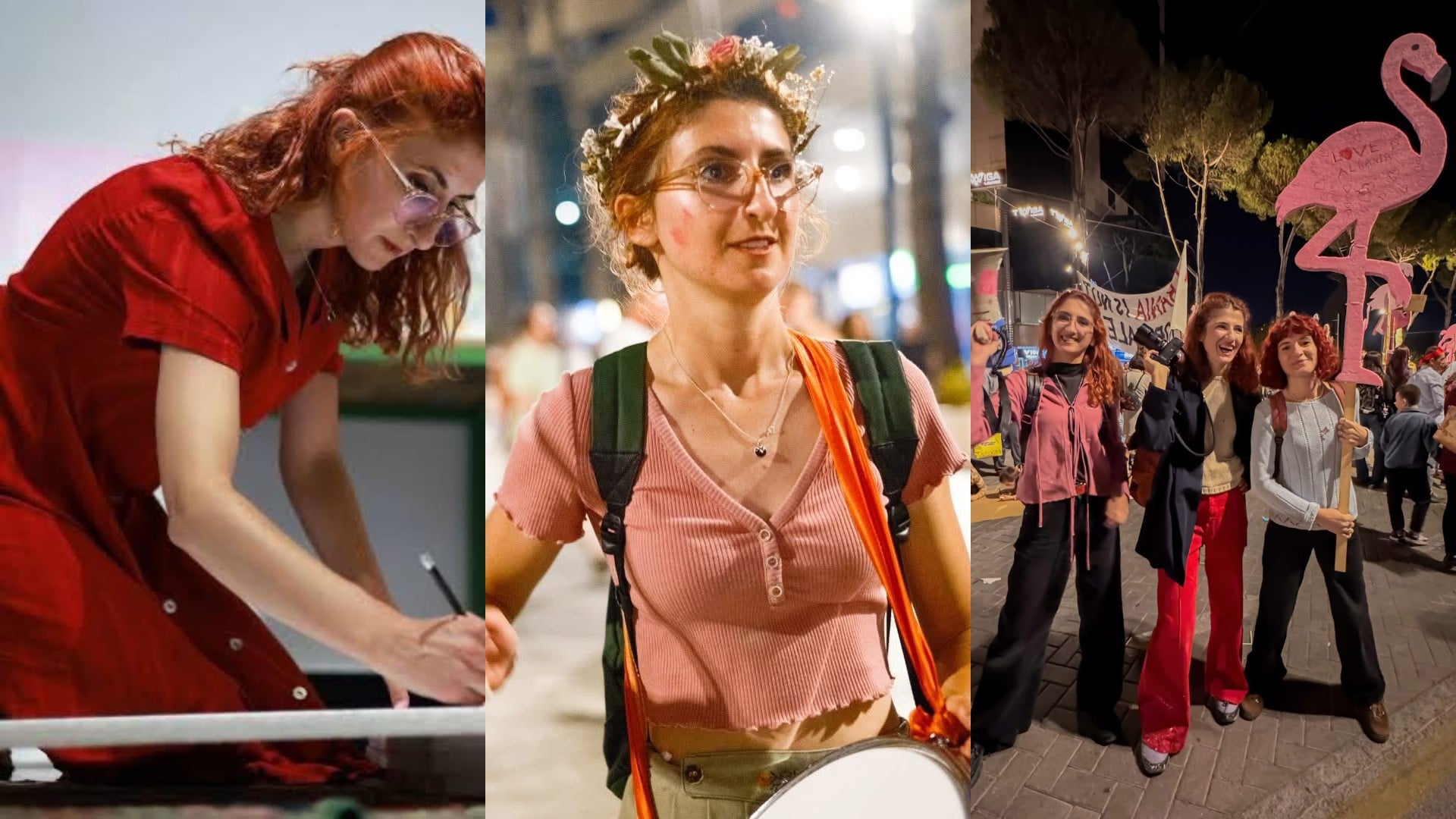
A well-known name in art and activism
Born in Belsh and based in Tirana, Fatma Paja has built her work in the field of visual arts. She has been engaged in painting, illustration, photography, animation and graphic design.
An important part of her work has been developed through the studio she created together with her two sisters, while in the public sphere she has often been identified as an artist and civic activist.
How she became known in the protests over Narta
Her name became more visible during the opposition to the tourism project in the Narta area, an issue that sparked reactions over its possible impact on the environment and biodiversity.
In that movement, publicly known as the “Flamingo Revolution,” flamingos made from lightweight materials became a symbol of the protests. In an Associated Press report from June 2026, Paja was mentioned as among the artists who created these installations.
During the gatherings, she was also involved in artistic activities with children and in coordinating protesters’ calls with a megaphone, amid slogans against interference in the Narta area.
Links to political activism
Beyond environmental issues, the Paja sisters had earlier also been presented as activists of the Vetëvendosje Movement. In a 2022 interview for the Kumti portal, they spoke about the connection between art and social engagement.
This public profile has made her arrest even more debated in public opinion, precisely because it concerns a figure linked to civic causes and not an anonymous name.
What police claim about the arrest
According to Tirana Police, the 29-year-old was caught in flagrante on “Qemal Stafa” street while she was in a Fiat vehicle.
The official version says that during the search, 91 Molotov cocktails, 166 fireworks, 17 firecrackers, 59 metal tubes, two gas masks, clothing, gloves, masks, hats, two mobile phones and other items were seized.
Police suspect that, in cooperation with two other people declared wanted, she was securing and distributing unlawful items to participants in the November 28 protest, with the aim of using them in violent acts against police and institutions. The materials have been referred to the Tirana Prosecutor’s Office.
At this stage, the claims about Fatime Paja’s role remain those of the police and the preliminary investigation, while criminal responsibility can be assessed only by the justice authorities.
The case has once again brought to the center of debate the tense relationship between civic activism, protest and the response of law enforcement institutions.