
The euro has fallen to levels that until recently seemed unthinkable for the Albanian market. While the official Bank of Albania exchange rate stands at 92.44 lek, in the market the euro is being bought even below 90 lek, deepening the blow for exporters and businesses that operate in foreign currency.
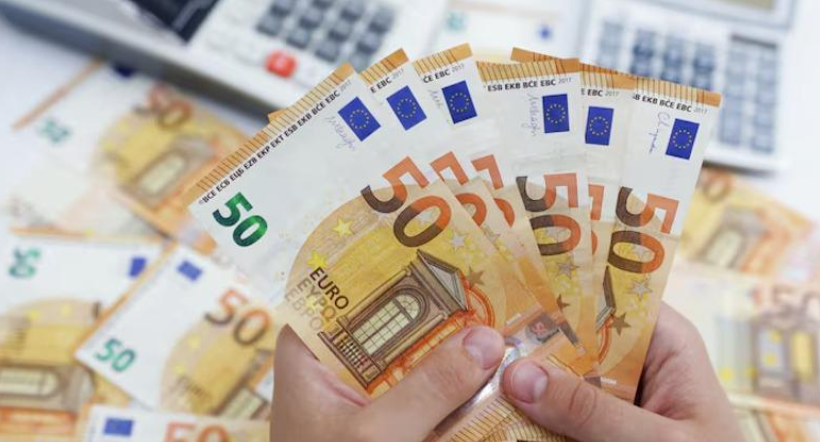
In the market, the euro is being bought even below the 90 lek threshold
At second-tier banks and exchange points, the euro is circulating at values clearly lower than the official reference rate. The buying rate has appeared at levels such as 90.5 lek, 90.4 lek and 90.2 lek for 1 euro.
One of the country’s largest banks has gone even lower, buying the euro this Tuesday at 89.4 lek. This is the lowest level reported so far, further devaluing citizens’ euro savings against the lek.
The decline has accelerated during the summer
The weakening of the European currency has become more pronounced at the peak of the summer season, when more foreign currency enters the market from tourism and remittances. At the same time, the increase in foreign investment and informality in the market have also had an impact, often cited as a factor but remaining difficult to measure with full transparency.
Within three months, the euro has fallen by 6.31%, from 95.42 lek to 89.4 lek. This rapid move is changing the balance for businesses that sell abroad and collect revenue in foreign currency.
It is not only the euro falling: the dollar and pound are also down
Pressure in the foreign exchange market has not been limited to the euro. The dollar has fallen to 79.23 lek, while the British pound is being exchanged below 106 lek.
This means the losses are not affecting only exporters operating in euros, but also other businesses that have contracts, payments or balances linked to the dollar.
Exporters seek intervention, while the beneficiaries are elsewhere
Exporters have signaled major losses and have warned of another formal request to the government. The fall of the euro is directly hitting their income in lek, at a time when domestic costs are not falling at the same pace.
On the other hand, the most favored by this exchange rate are importers, those paid in euros or those with loans in the European currency, as well as the country’s external debt, which becomes relatively easier to repay in lek.
The Bank of Albania has intervened, but the effect remains in question
To increase foreign exchange reserves and influence the exchange rate, the Bank of Albania has withdrawn 95.5 million euros from the market, nearly three times more than in the same period of 2025. According to the published plan, the aim is to withdraw between 330 million and 450 million euros from the market by the end of the year.
However, according to market experts, this mechanism may not produce the expected effect. Their assessment is that the increase in the euroization of the economy is making it more difficult to stabilize the exchange rate and that a de-euroization policy would be more influential over the longer term.
The euro’s fall below 90 lek is turning from good news for some categories into a serious alarm for production and exports. The gap between the official rate and the one actually being applied in the market is making it even more visible how fragile the country’s currency balance remains.
Beyond the figures, the issue once again raises the question of whether current interventions are enough, or whether economic policy is arriving late in the face of a market that is moving faster than the institutions.