
Prime Minister Edi Rama has asked the political leaders of the Socialist Party and ministers for a stronger presence across the territory, with regular contact with citizens and a dedicated scheme for each area. According to what was reported during the meeting that was taking place, the emphasis was placed on political and institutional oversight in the field, packaged under the name “Pasqyra Albania”.
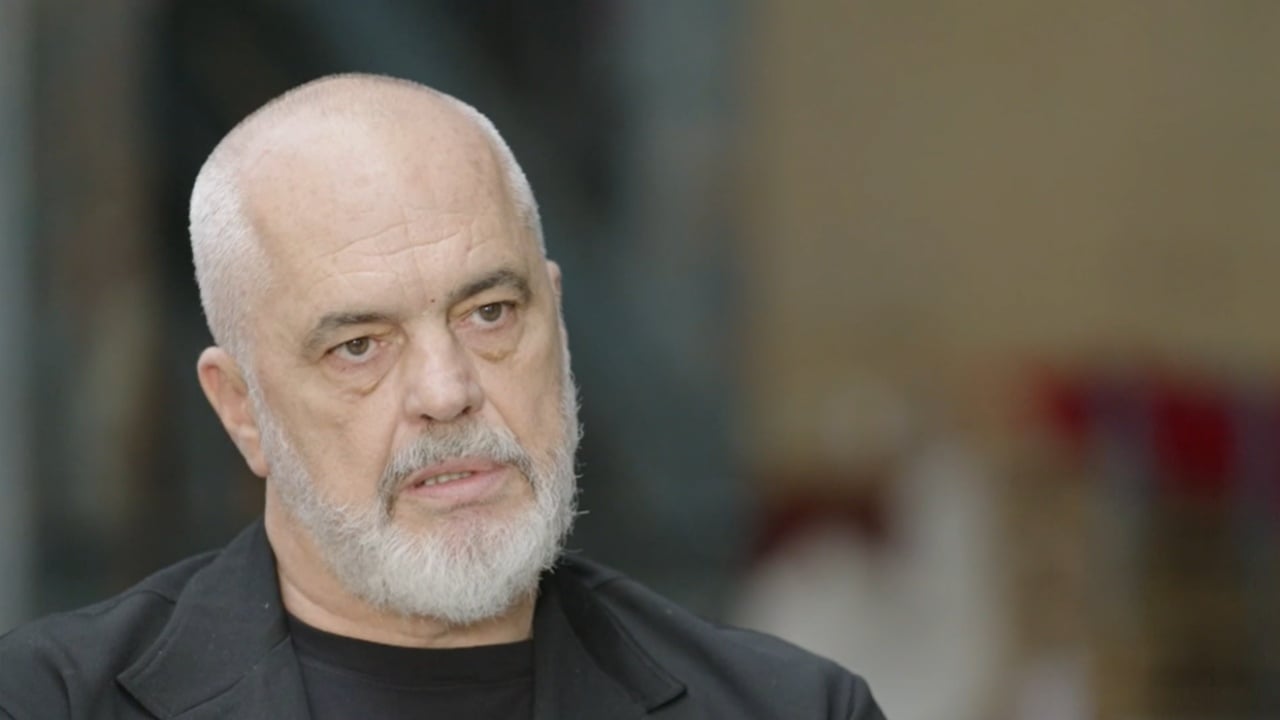
What was requested at the meeting
According to information published from the meeting with the Socialist Party’s political leaders and government members, Rama called for strengthening the party structures’ presence in the field and for more direct engagement with citizens.
The request is not presented simply as internal party organization. In practice, it aims at closer coordination among political leaders, MPs and government members in the areas where they have been assigned.
A tailored scheme for the territory
At the center of the request is the establishment of a tailored scheme, in which each territory would have dedicated figures: political leaders, MPs, ministers and deputy ministers.
This wording indicates that a more organized and more visible presence is being sought in the field, at a time when the government appears to be seeking to keep local grievances and problems under closer monitoring.
Weekly meetings with citizens
According to the report, Rama asked for meetings with citizens to be held every week, with the aim of hearing concerns and problems directly.
This weekly pace suggests that what is being sought is not only formal listening, but also a continuous reporting mechanism from the grassroots to the center, through the political and government figures engaged in the field.
“Pasqyra Albania” as a political and administrative instrument
In one of the messages conveyed at the meeting, Rama asked that “Pasqyra Albania” not be treated simply as a platform or unit, but function as a “law for everyone”.
This is a strong political formulation, suggesting that the initiative is expected to be implemented as a binding standard within the Socialist Party’s structures and the government, rather than as sporadic or voluntary engagement.
It remains unclear how the line between party engagement in the field and the institutional role of ministers or deputy ministers will be divided in practice.
This is precisely the point that raises the most questions when a political scheme is presented in mandatory language and with the direct involvement of government members.