
Statements by Montenegro’s prime minister about a suspected hybrid attack by two countries in the region have also prompted a political reaction in Tirana. Pandeli Majko described the insinuations as troubling and called for the accusations not to remain at the level of vague public comments, especially when they affect a NATO member country such as Albania.
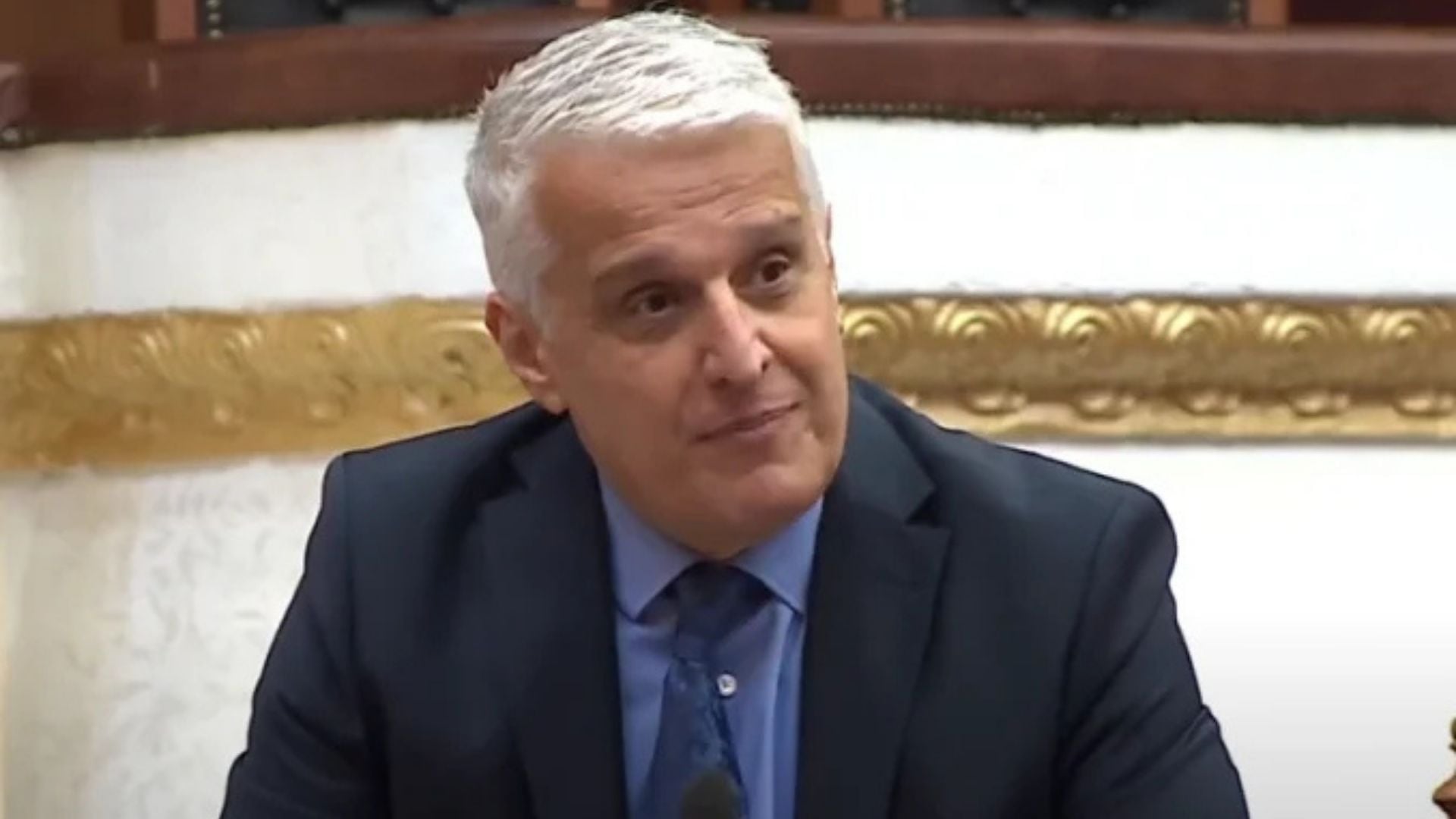
What the Montenegrin prime minister said
According to the version made public by Milojko Spajić, two neighboring countries of Montenegro planned a hybrid attack aimed at destabilizing the country. Montenegrin media outlet “Vijesti,” described as pro-government, later wrote that the countries in question were Albania and Serbia.
This combination of accusation and media implication has shifted the issue from a comment on social media to a debate with possible political and diplomatic consequences in the region. At this stage, the claims have been articulated publicly, but without being accompanied by publicly disclosed evidence.
Pandeli Majko’s reaction
Former Socialist MP Pandeli Majko said that this would amount to a “regional scandal” if these insinuations do indeed address Albania as part of a coordinated activity against Montenegro.
In his reaction, Majko stressed that Albania has no geopolitical “love” for Serbia, questioning the logic of involving both countries in the same alleged destabilizing scheme.
Call for official explanations
Majko raised the concern that such statements cannot be left hanging as political insinuations or emotional messages on social media. According to him, if the accusations are serious, they should be accompanied by diplomatic notes or formally addressed within NATO structures.
Otherwise, he said, Montenegro should acknowledge that these are unproven comments. This places the burden of clarification on Montenegrin state institutions, not on media interpretations or informal implications.
Why the issue goes beyond political rhetoric
Majko argues that the situation becomes even more sensitive because it concerns two countries in the region, at least one of which, Albania, is a member of the NATO Alliance. In this light, any accusation of an “attack” between countries tied to the alliance requires a much higher standard of evidence and institutional responsibility.
He added that the Montenegrin prime minister has gone beyond Podgorica’s more cautious tradition in dealing with neighbors, pushing the debate to a diplomatic crossroads that requires clear clarification rather than formulations left in the fog.
Beyond the political reaction in Tirana, the core of the issue remains the same: does Montenegro have an official accusation supported by facts, or are we dealing with a strong public statement that has still not been institutionalized?
Until such clarification is provided, claims of a “hybrid attack” remain a serious political issue with regional resonance, but one that is still unclear in substance and in its evidentiary basis.