
The Prime Minister’s Office has stepped directly into the debate over the leadership of the Municipality of Tirana, backing the position that Erion Veliaj remains the elected mayor and that his mandate must be respected. The reaction came after developments surrounding the decision to dismiss Anuela Ristani from the post of acting mayor, turning the issue into an open political and institutional clash.
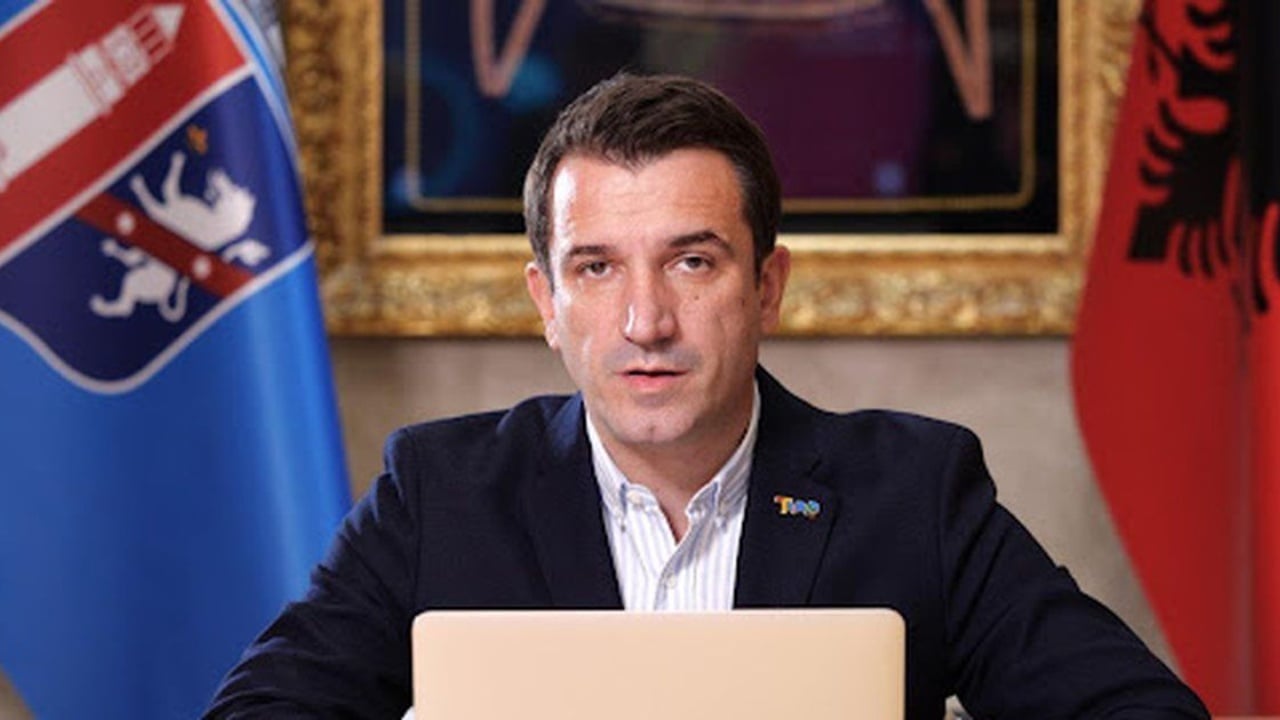
Official reaction from the Prime Minister’s Office
In a public statement, Manjola Hasa, spokesperson for the Media and Information Agency at the Prime Minister’s Office, said that according to the government’s position, Erion Veliaj continues to be the mayor of Tirana.
According to this official version, that position is based on a Constitutional Court ruling, which the government says clearly defines Veliaj’s status as the incumbent mayor.
Debate over the dismissal of Anuela Ristani
The Prime Minister’s Office’s reaction comes amid an open debate over Veliaj’s decision to dismiss Anuela Ristani from the role of acting mayor.
The move has raised further questions about how the Municipality of Tirana is being run and who actually holds executive authority in the capital at this stage.
Government speaks of “confusion” and a “legal absurdity”
In its reaction, the Prime Minister’s Office described the situation at Tirana City Hall as a “confusion” created, in its view, by the jailing of the elected official.
The government further argued that this has imposed a form of municipal governance “with subordinates at a distance,” describing it as a “legal absurdity” that, it said, would not be imaginable in a democratic European country.
The mandate, the Constitutional Court, and political interpretation
According to the Prime Minister’s Office, the issue has been addressed by the Constitutional Court and leaves no room for other interpretations. The government presents the exercise of the mandate not simply as Veliaj’s personal right, but also as a right of Tirana’s voters.
However, such direct involvement by the Prime Minister’s Office in a matter affecting the leadership of local government is expected to further fuel debate over the boundaries between legal interpretation and political interest in the administration of the capital.
Beyond the strong language used by the government, the core of the clash remains the same: who is actually exercising power at the Municipality of Tirana, and how far the legitimacy of a mandate extends when its exercise collides with extraordinary circumstances.
At this stage, the government has chosen to present the matter as closed on the constitutional level, but the public and institutional debate appears far from over.