
Iceland has voted against restarting negotiations for membership in the European Union, a result that slows the government’s effort to put the process back on the agenda. The decision emerging from the referendum shows that most voters did not accept the official argument that this was a decisive moment for the country’s future.
Majority voted “no” in the referendum
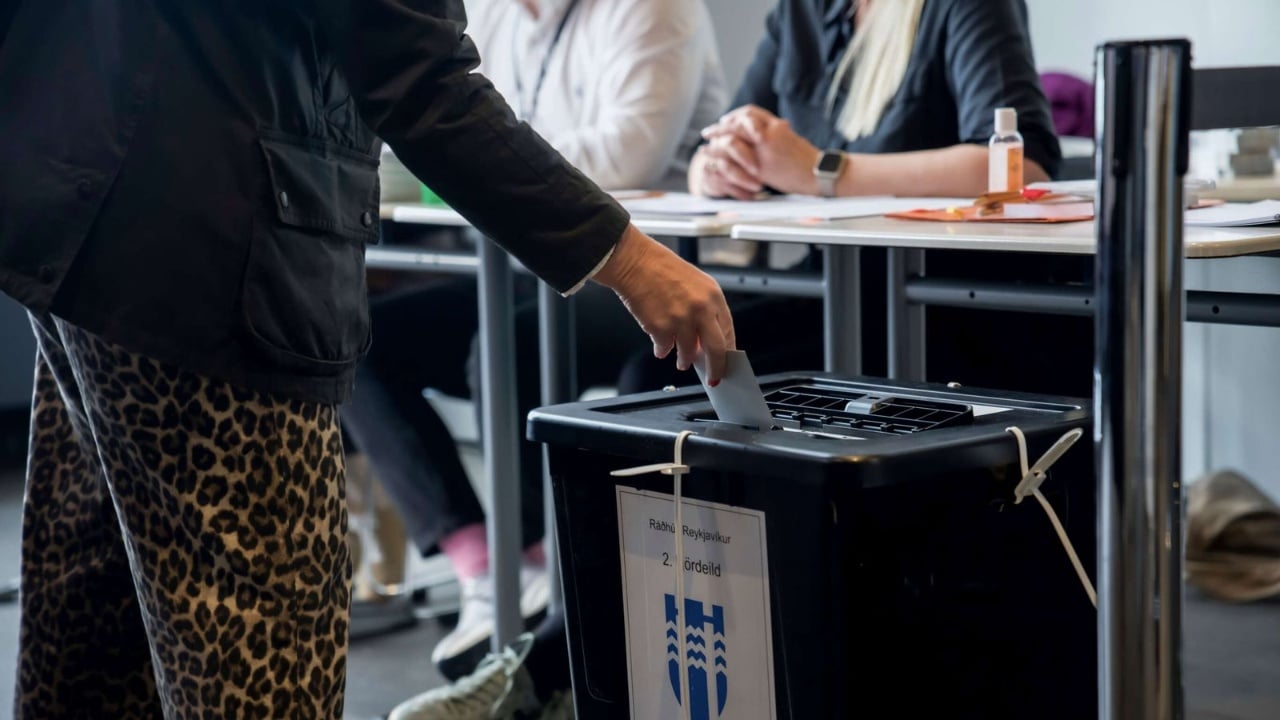
According to Icelandic public broadcaster RÚV, the camp against restarting the talks secured a majority of the votes in the referendum, in which around 270,000 citizens had been called on to answer “yes” or “no” to restarting negotiations with the EU.
The result brings to an end, at least for the moment, the government’s attempt to return the issue of European integration to the political table. A vote in favor would not have brought immediate membership, but only the reopening of negotiations.
Fishing and sovereignty at the center of the debate
The referendum found the country divided over several key issues, especially the future of the fishing industry and control over marine resources.
Opponents of restarting negotiations warned that membership could undermine Iceland’s sovereignty, particularly over its waters and fisheries, one of the most sensitive issues in the domestic debate.
Government pushed hard for the process to resume
According to the official position, the government had presented the process as a “now or never” moment, while Prime Minister Kristrún Frostadóttir had urged citizens to take part in the vote.
Supporters of restarting negotiations, meanwhile, argued that closer ties with the EU could help reduce high interest rates and strengthen the country’s security in a more tense international climate, including the war in Ukraine and debates surrounding Greenland.
A process opened in 2009 and halted in 2013
Iceland applied for membership in the European Union in 2009, at a time when the country’s economy had been hit hard by the global financial crisis. Negotiations began, but the process was interrupted in 2013 by a euroskeptic government.
Even without being an EU member, Iceland is part of the European single market through the European Economic Area Agreement and belongs to the Schengen area. The August 30 referendum shows that most voters do not support, for now, a return to negotiations.
The referendum result puts the government in the face of a clear political rejection on an issue that had been presented as strategic.
Beyond the rhetoric of the pro camp, the vote highlighted that fears over sovereignty and control of fisheries remain more convincing for a large part of the Icelandic electorate.