
The world is entering a phase of higher risk for extreme weather as El Niño strengthens and, according to the UN, could become one of the most powerful episodes of recent decades. The warning comes at a time when the first effects have already been reported in several parts of the globe, with impacts expected to range from droughts to floods and typhoons.
WMO: the impact could last until early 2027
The World Meteorological Organization, a UN agency, says El Niño could continue to affect global weather patterns at least until February 2027. According to the UN’s official assessment, the world is already in a zone of heightened risk for extreme weather events.
Pacific temperatures are rising above normal
The phenomenon develops in the Pacific Ocean, when warm waters move eastward and alter atmospheric circulation, affecting rainfall and temperatures in different regions. In the main monitoring areas of the tropical Pacific, sea surface temperatures are more than 2 degrees Celsius above average.
Forecasts suggest this difference could approach 4 degrees Celsius in the coming months. If that happens, it would be one of the strongest episodes recorded since the start of modern measurements around 1950. Even more concerning are temperatures below the ocean surface, which in some areas are reported to be more than 8 degrees Celsius above average.
Regions at risk of drought and economic disruption
According to forecasts, large parts of Southeast Asia, Central America and northern South America could face drier-than-usual conditions. This increases the risk of droughts, forest fires and problems with water supply.
In Indonesia, fires have already engulfed more than 107,000 hectares of land during the dry season. Drought is also expected to affect international transport: the Panama Canal is forecast to reduce the number of ships passing through because of lower rainfall and lower water levels.
Floods, storms and infrastructure damage in other regions
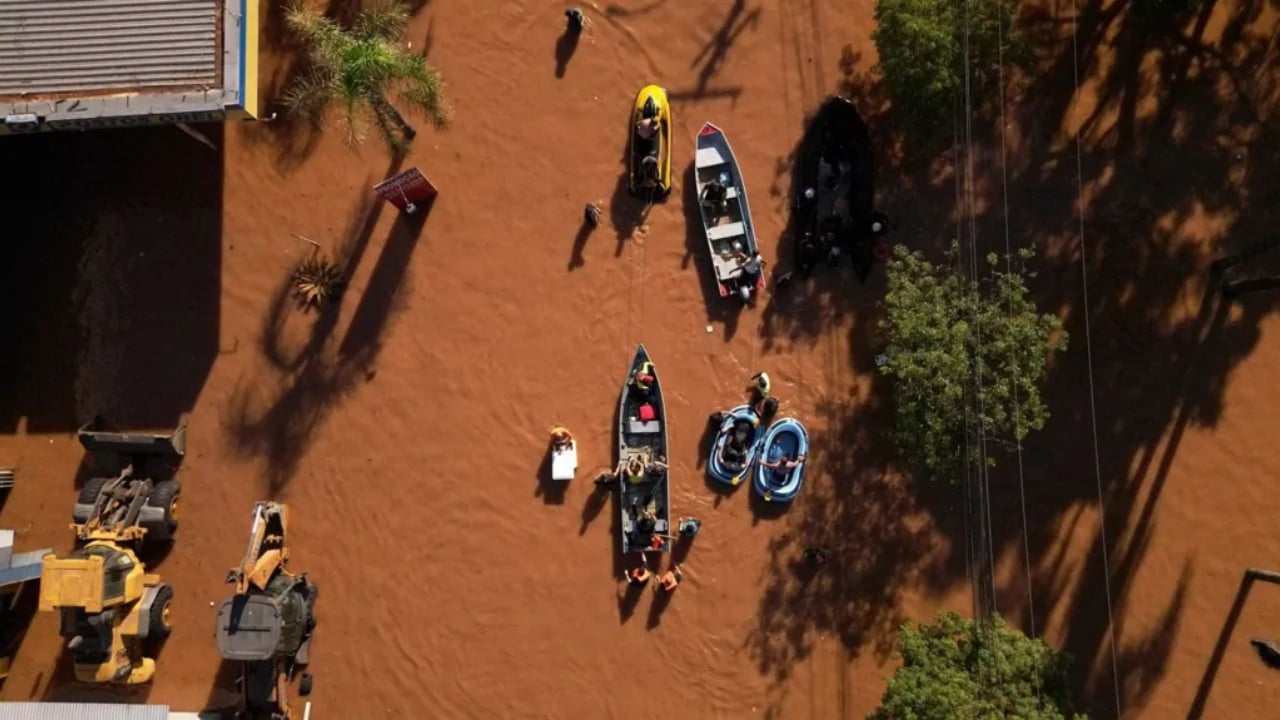
The impact of El Niño is not expected to be the same everywhere. In some areas, according to the report, heavier rainfall and stronger storms are expected. China is preparing for a season of high typhoon activity, while parts of East Africa, southern Brazil and the southern United States could see wetter-than-normal weather.
This combination raises the risk of floods, landslides and damage to infrastructure. Peru and Ecuador are also monitoring the situation with concern, as heavy rainfall could cause flash floods and landslides, especially in cities with inadequate drainage systems.
Australia on alert for seas and ecosystems
Another point of concern remains Australia, where high sea temperatures have already caused damage to marine ecosystems. Experts are warning of further marine heatwaves, particularly in the south of the country and in Tasmania.
In previous episodes, mass fish deaths, starving penguins, algae growth and an increase in jellyfish numbers have been reported. Australian authorities have strengthened early warning systems to give communities and sectors exposed to the risk more time to prepare.
Experts underline that El Niño is a natural phenomenon and is not directly caused by climate change. However, global warming can worsen the consequences of extreme weather and make the impact harsher for vulnerable communities.
The WMO has launched an international mobilization to distribute forecasts and early warnings, in an effort to ensure as many areas as possible have time to prepare for the months ahead.