The deadlock at Tirana Municipality is deepening amid political interpretations and gaps in implementation. Former Central Election Commission chief Kristaq Kume reads the situation as a clear case of disregard for the rule of law, where, according to him, the parties have acted more in the interest of the moment than for the normal functioning of the capital.
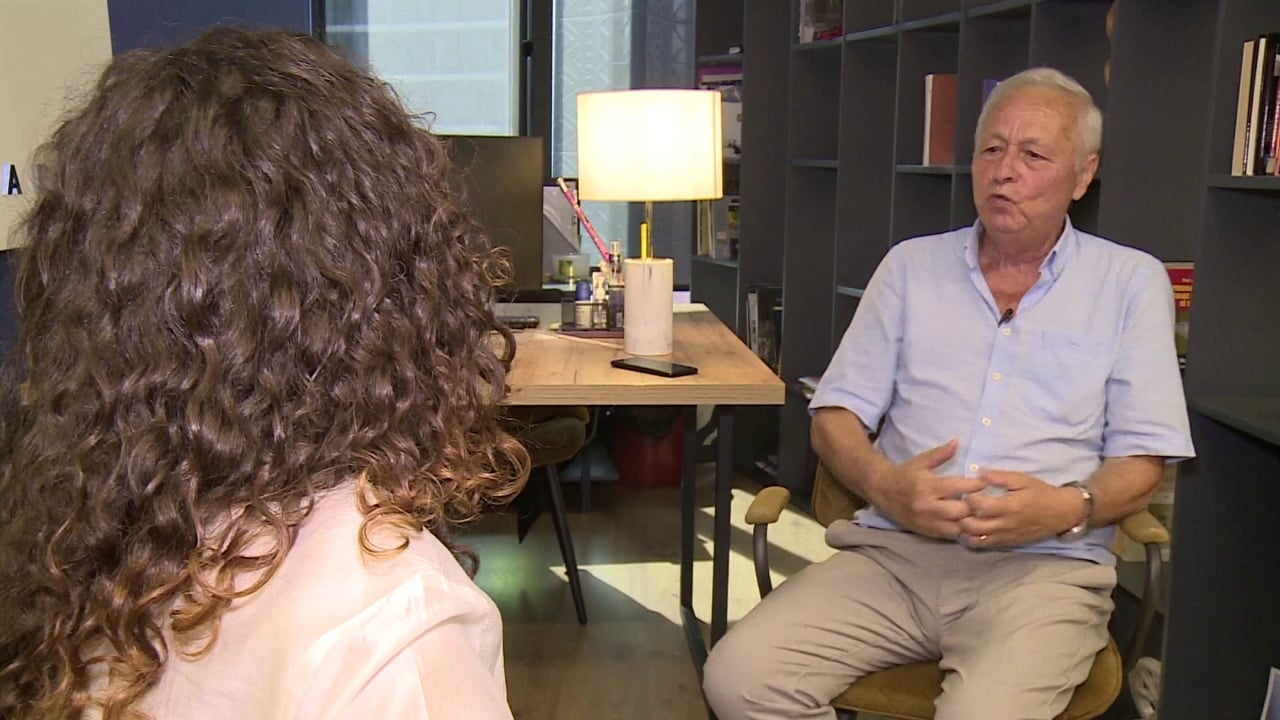
Kume: violations by all parties
According to Kume, Erion Veliaj’s case highlights a clash in which the law was not applied as предусмотрено. He argues that the procedures were clearly defined, but that the opposition and the majority, in his version, used them only insofar as they suited them politically.
What, according to him, the Constitutional Court did not decide
Kume disputes the interpretation that the Constitutional Court reinstated the dismissed mayor. According to his explanation, the court struck down the way the mandate was interrupted, noting that the Municipal Council did not hear Veliaj at the meeting and that the government did not refer to Article 115 of the Constitution.
He adds that the Constitutional Court did not deal with the issue of a three-month absence from office, provided for in the law on local self-government. At this point, according to Kume, this is a serious violation that the institutions should have addressed again through due process.
A municipality in functional paralysis
The situation becomes even more complicated because Tirana Municipality, according to the description given, is being run under conditions in which Veliaj has revoked the powers delegated to Deputy Mayor Anuela Ristani. This makes it even less clear who actually bears executive responsibility for administering the institution.
According to Kume, even if the procedure were to start again today, with a meeting of the Municipal Council, a hearing for Veliaj and the sending of the decision to the Council of Ministers, the process would take time and would not immediately unblock the situation.
Why a quick political solution is unlikely
Kume argues that even in the event of dismissal, the vacancy created close to the next elections does not necessarily lead to a new electoral process to fill the post. This means that the problem is not only legal, but also practical: the capital remains without a clear and quick solution for its political and administrative leadership.
In this reading, the clash does not appear to be simply a debate over procedures, but the consequence of a way of acting in which institutions neglected basic rules as soon as political calculations took priority.
The Supreme Court as the final knot
According to Kume, the only real solution remains a Supreme Court decision. He says that if there is any easing of the security measure of house arrest, the court must clearly clarify who will bear responsibility for the relationship with Veliaj in the running of Tirana Municipality until the new local elections.
This shifts the weight of the crisis onto the justice system, while political and local institutions remain under the shadow of doubts over how they have handled an issue that directly affects the functioning of the country’s largest city.
At its core, the debate is not only whether a procedure was carried out incorrectly, but why the capital was allowed to enter such a deep institutional paralysis.
For the moment, political interpretations continue, while the legal answer that could produce a practical effect appears to be awaited from the Supreme Court.