
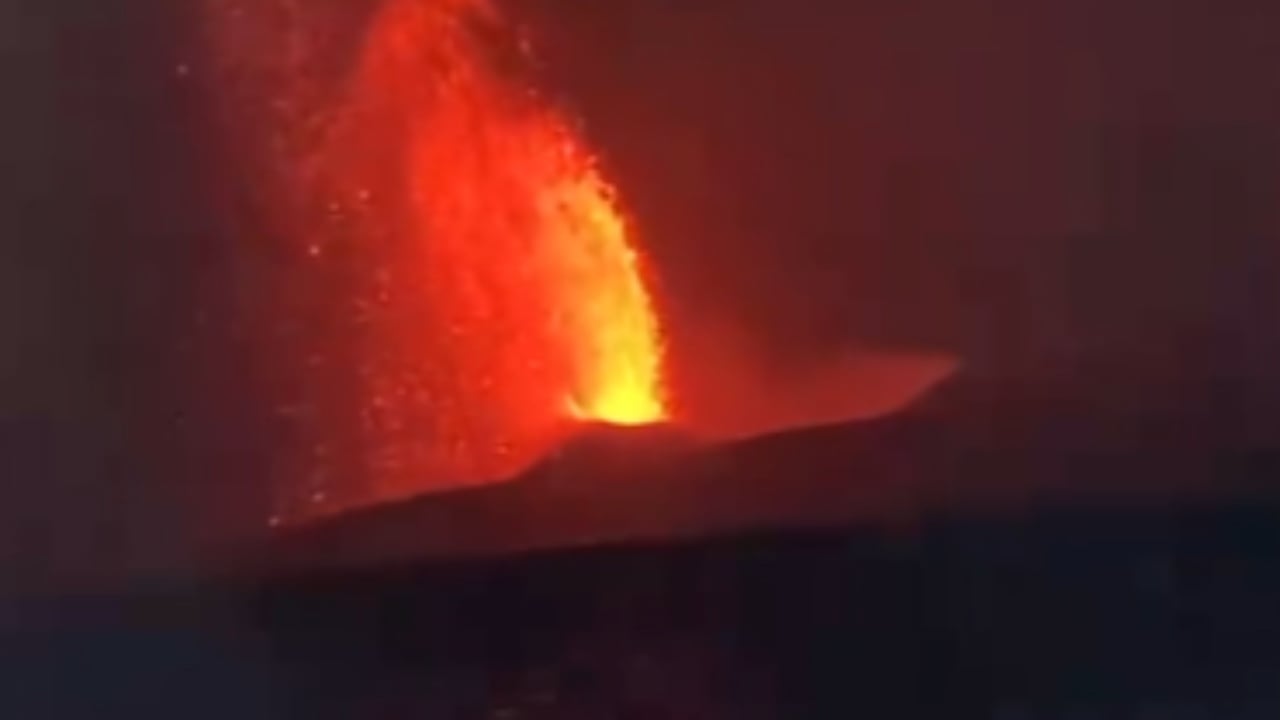
A powerful eruption of the Anak Krakatau volcano has thrown air traffic in Indonesia into chaos, leaving about 270,000 passengers stranded and leading to the cancellation of more than 2,000 flights. Indonesian authorities have extended the closure of several airports, while uncertainty over a return to normal remains high.
Volcanic ash blocks airspace
Anak Krakatau, located in the Sunda Strait about 150 kilometers from Jakarta, began eruptive activity on Friday evening. Over the weekend, the eruptions continued and large amounts of ash spread into the atmosphere, directly affecting the safety of air travel.
According to Indonesian meteorological authorities, volcanic ash has reached as high as 6,000 meters above Java and around 15,000 meters above Sumatra and Banten province, further worsening the situation for civilian flights.
Airports extend suspension of operations
According to the official version, Soekarno-Hatta International Airport in Jakarta and three other airports have extended the suspension of operations until 18:00 on Monday, after volcanic ash was detected in the airspace near them.
Long lines have formed at the affected terminals, while travelers have sought refunds and information about the fate of their flights. The chaos at the airports has once again highlighted how quickly a natural emergency can paralyze key transport hubs.
Authorities admit the end of the crisis is unknown
Indonesian authorities have warned that the possibility of further eruptions remains high. Transport Minister Dudy Purwagandhi has said that it still cannot be determined when this situation will end, due to changing atmospheric conditions.
A 3-kilometer exclusion zone has been imposed around the active crater, while ships have been barred from entering this perimeter in the Sunda Strait. According to the authorities, there is currently no tsunami warning.
An area with a heavy volcanic history
Anak Krakatau, which means “Child of Krakatoa,” formed in the caldera created after the great eruption of Krakatoa in 1883. The area remains one of the most sensitive volcanic hotspots in the region.
The danger linked to this volcano is not theoretical. In December 2018, a partial collapse of Anak Krakatau triggered a tsunami on the coasts of Sumatra and Java, killing more than 400 people and injuring and displacing thousands of others.
Indonesia lies on the Pacific Ring of Fire, an area of high seismic and volcanic activity, where such episodes often quickly turn from a natural alarm into a broader public and transport crisis.
For now, air traffic at some of Indonesia’s most important hubs remains dependent on the movement of volcanic ash and on the authorities’ decisions regarding flight safety.
With thousands of passengers affected and the risk of further eruptions still unresolved, the situation remains far from normal.