
The deadlock over salaries in the justice system has forced the General Prosecution Office to urgently convene chief prosecutors and representatives of prosecution institutions. At the end of the meeting, the official version says the matter will continue through “legal instruments,” while it remains unanswered how the payment of August salaries for magistrates and administrative staff was allowed to be blocked.
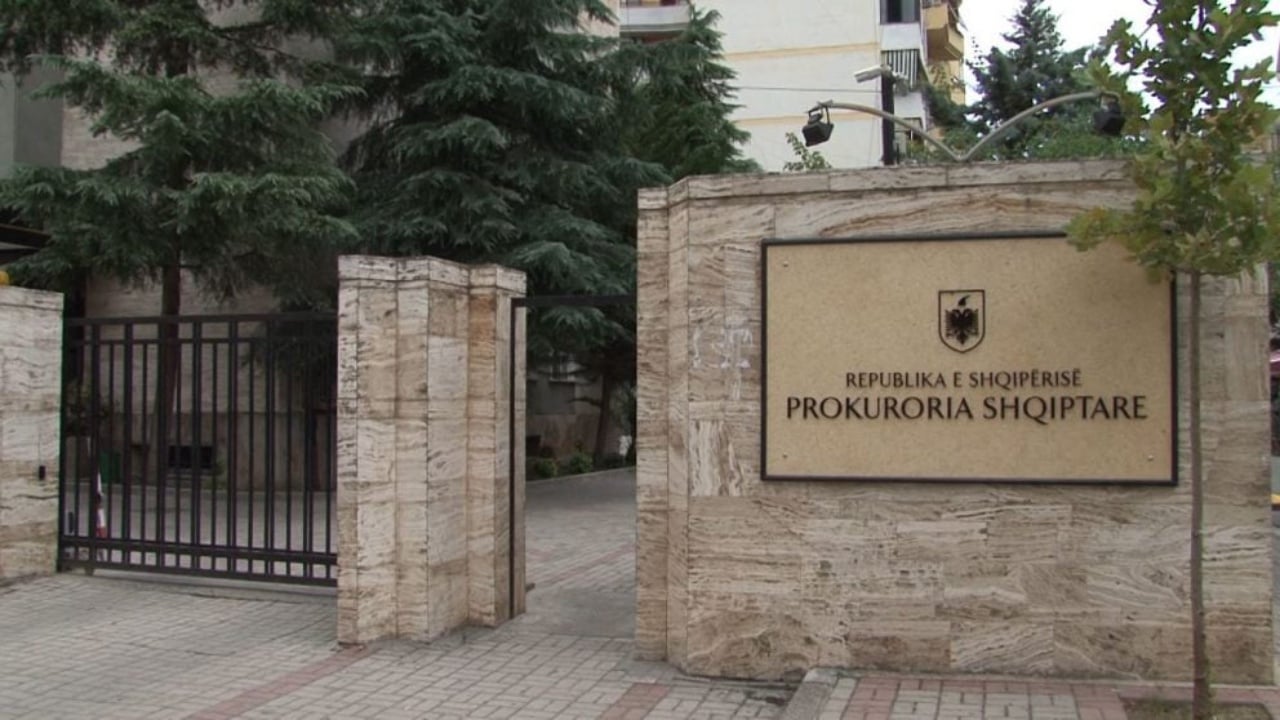
Emergency meeting over the salary crisis
According to the announcement from the General Prosecution Office, on September 8, 2026, a meeting was held at the request of the Prosecutor General on the situation created after the blocking of payments for August 2026 salaries.
The meeting was attended by chief prosecutors, representatives of the High Prosecutorial Council, and the Prosecutors’ Association. The fact that the issue was handled on an emergency basis shows that the problem is not merely technical, but affects the day-to-day functioning of justice institutions.
What the official statement says
In its statement to the media, the institution said the meeting discussed the situation that had arisen and the need to implement the legal and financial framework governing the salaries of magistrates.
According to the same official version, participants assessed that the issue requires a quick, clear solution in line with the law, also referring to the constitutional standard established by the Constitutional Court.
Legal instruments, but no clarification on responsibilities
The main point to emerge from the meeting is agreement that the handling of the issue should continue through legal instruments. The prosecution presents this as the path to guaranteeing the independence, normal functioning, and stability of the justice system.
However, the announcement does not clarify which institution specifically blocked the execution of the salary payments, on what basis the blocking occurred, and who bears administrative or financial responsibility for the situation created.
An alarm for the system’s normal functioning
When the salaries of magistrates and administrative staff are blocked, the blow does not fall only on employees, but directly affects the stability of a system that the institutions themselves describe as critical to the rule of law.
Beyond the formal language of the statement, the case highlights another institutional weakness: the justice system speaks of independence, but remains exposed to financial deadlocks that can paralyze its work.
The statement from the General Prosecution Office confirms only that the chosen path will be a legal one. What is still missing is full transparency on the cause of the blockage, the responsible link in the chain, and the specific deadline for unblocking the salaries.
In an issue that directly affects the functioning of justice, general wording is not enough to clarify matters for the public, nor to calm a system facing an open salary payment crisis.