
The clash between institutions over magistrates’ salaries has entered a criminal phase. A group of authorizing officers from the courts, together with leaders of judges’ and prosecutors’ organizations, have filed a complaint with SPAK against Finance Minister Petrit Malaj, with the blocking of August salaries at the center of the case and suspicions that the execution of a court ruling was hindered by the financial administration.
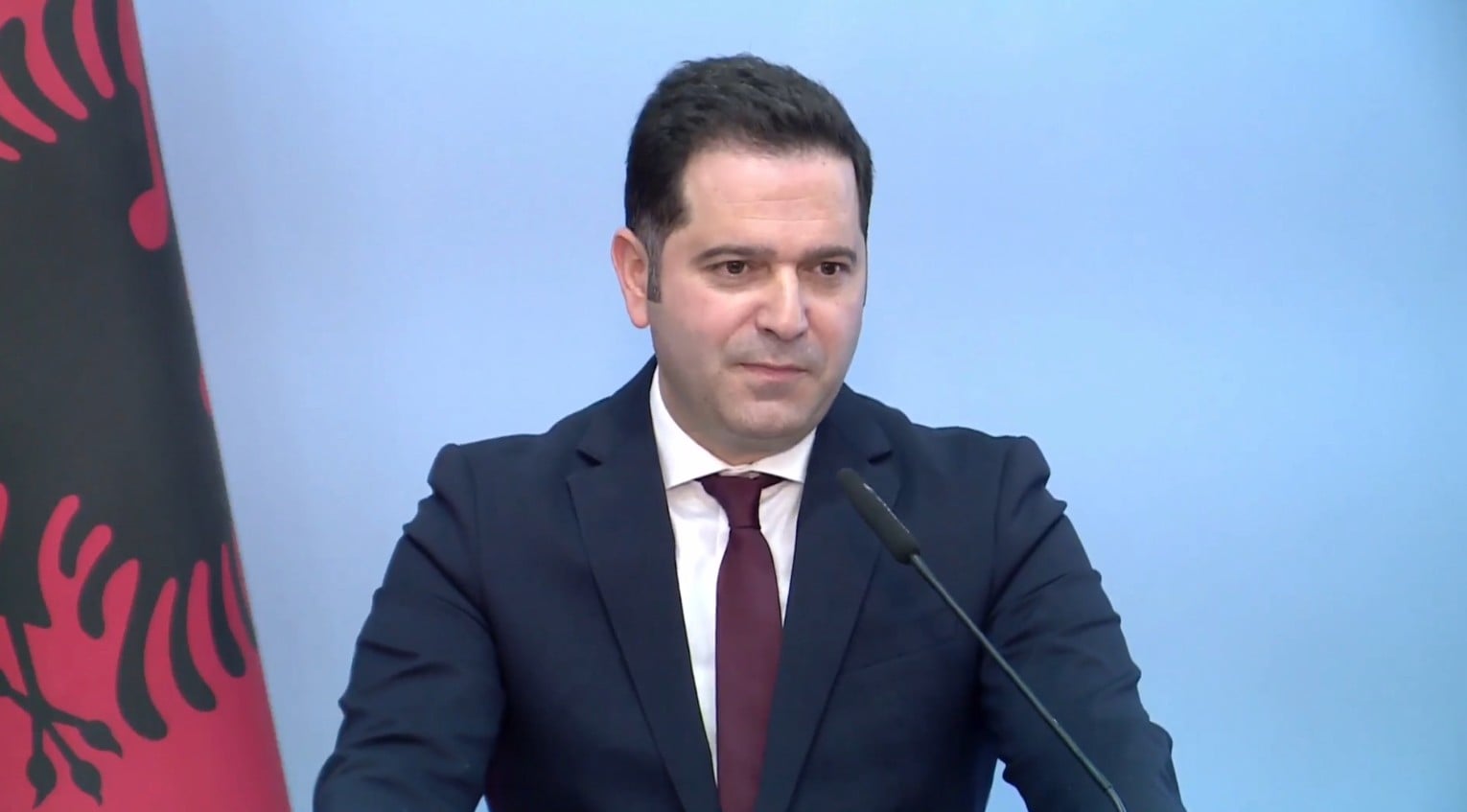
The complaint targets the minister, the secretary general and Treasury branches
The criminal complaint was submitted on September 8 by 20 authorizing officers from courts across the country, together with the heads of the Judges’ Union, the National Association of Judges and the Prosecutors’ Association.
Named in the complaint are Finance Minister Petrit Malaj, the ministry’s secretary general Gentian Këri, and the heads of 16 district Treasury branches. SPAK is being asked to investigate them for “abuse of office,” “obstructing the execution of court decisions,” and “failure without justified cause to execute a court decision.”
At the center: August salaries and the Constitutional Court ruling
The issue concerns the non-payment of judges’ and prosecutors’ salaries for August 2026. According to the claims in the complaint, the blockage came after the Constitutional Court on February 17, 2026 struck down the 2023 amendments to the law on the status of judges and prosecutors, finding that they amounted to a hidden reduction in magistrates’ pay.
The Constitutional Court had given Parliament until July 31, 2026 to make the necessary legal changes, but that deadline was not met. In this gap, according to the version presented in the complaint, the High Judicial Council ordered the application of the reference base salary under the parameters of Council of Ministers Decision No. 325/2023, with effect from August 1, 2026.
Claim: Treasury stopped payment orders after an electronic message
According to the complainants, Treasury branches in almost the entire country, with the exception of Kukës and Dibër, refused to implement payment orders under the new formula. The reason, they say, was an electronic message forwarded by the secretary general of the Ministry of Finance.
This is one of the most sensitive elements of the case file, as it raises questions over whether an administrative communication was effectively used to restrain the implementation of a decision that justice system officials consider binding.
The ministry cites legal checks; complainants call it an overreach of authority
In a letter dated September 2 addressed to the two councils, Minister Malaj justified the blockage with the need for checks on the legal basis of the payrolls and promised prompt payment after Parliament approves the amendments.
But the complainants reject that position. According to them, neither the Ministry of Finance nor the Treasury has legal authority to unilaterally block the execution of a court ruling, even in the event of an administrative dispute. They argue that the only lawful route for the state would have been to pursue the matter in court, not to effectively suspend the payments.
What SPAK is being asked to verify
The complaint asks for the collection of documentation related to the decisions of the Constitutional Court, the High Judicial Council and the High Prosecutorial Council, as well as correspondence between the Ministry of Finance and Treasury branches.
It also requests verification of the electronic traces of actions in the Treasury system and clarification on whether the budget funds for the August 2026 salaries were in fact available. These checks are expected to be essential in determining whether this is a legal deadlock, as the official version suggests, or an administrative intervention that blocked the implementation of decisions in the justice system.
Among the signatories to the complaint are, among others, Erjon Bani, Gerd Hoxha, Ilirjan Hysa, Fjorald Behari, Gezim Spahiu, Lirim Bulica, Entiljano Spahiu, Orald Hoxha, Enri Rista, Ardian Dvorani, Ervin Sulaj, Mirjan Mustafaj and Elis Dine.
Beyond the technical debate over payrolls, the case is shifting the clash onto more serious ground: suspicion over whether the financial administration has set limits on the implementation of decisions affecting the judicial branch.