
The heat did not end with the close of August. Scientific data show that global temperatures are moving at alarming levels, while September is beginning with the same scorching pace that pushed the previous month to a historic record.
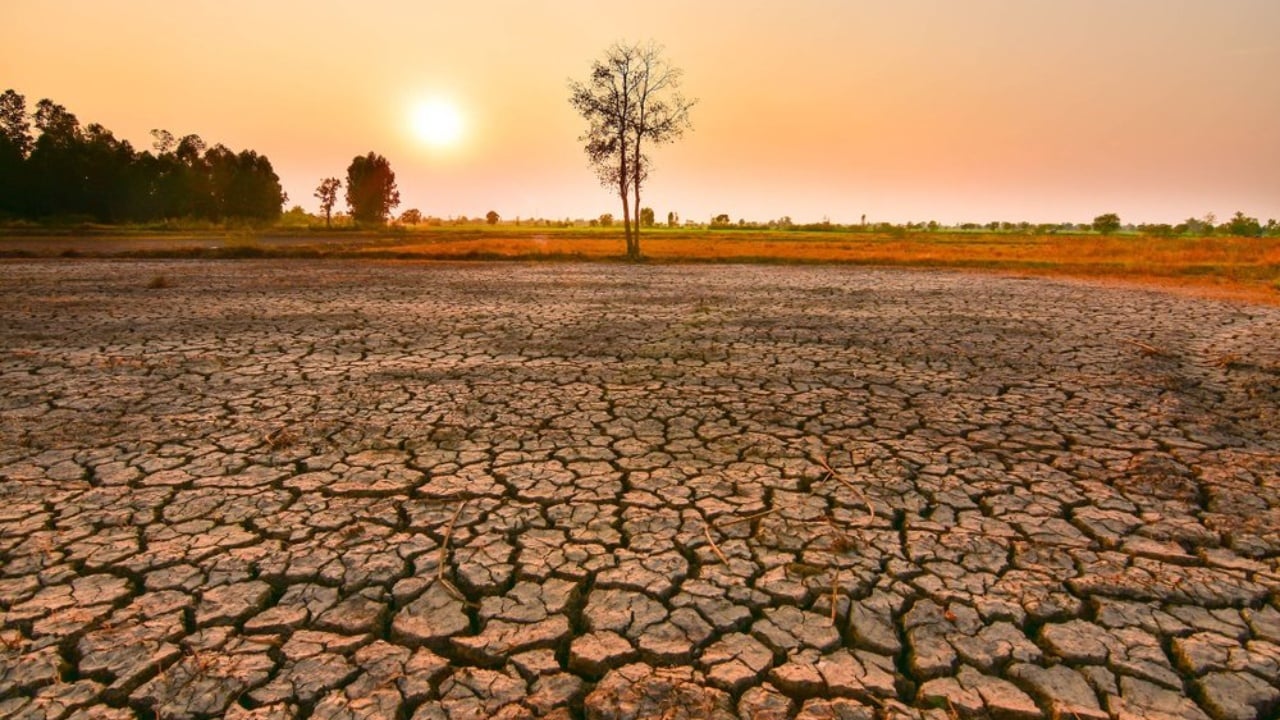
August 2026, the hottest month ever recorded
According to scientists and data from the European Copernicus service, August 2026 was the hottest month ever recorded on the planet.
Global temperatures reached 1.65 degrees Celsius above pre-industrial levels, an indicator that deepens alarm over the pace at which the climate crisis is escalating.
Records at sea as well, while autumn brought no relief
It was not only land temperatures that reached records, but sea surface temperatures also hit record levels for the month of August.
What stands out is that the start of September has not brought the seasonal cooling that would normally be expected, increasing concern that periods of extreme heat are lasting longer and becoming harder to cope with.
El Niño could push the deterioration even further
Scientists warn that the situation could worsen further because of El Niño, the natural phenomenon that warms the waters of the Pacific Ocean and affects the global climate.
According to expert assessments, this year’s El Niño is expected to reach peak strength at the end of the year and could be among the most intense ever recorded.
Experts place responsibility on fossil fuels
Researchers stress, however, that El Niño alone does not explain this run of records. According to them, the main factor remains the continued burning of coal, oil and gas.
Friederike Otto, professor of climate science at Imperial College London, has said that climate change makes every El Niño hotter and that records will continue as long as the use of fossil fuels is not curbed.
The consequences are being felt in the economy and food production
August’s extreme temperatures were accompanied by destructive fires, crop damage, heatwave-related deaths and disruptions to transport, public services and economies in different countries around the world.
Experts also warn of further increases in food prices as a result of declining agricultural output, an effect that usually translates into a heavier burden for consumers.
Data from recent months are making it increasingly difficult to treat the climate crisis as a distant alarm.
When heat records shift from summer into autumn, the debate no longer remains only scientific, but directly affects livelihoods, food and the costs paid by citizens.