The Democratic Republic of Congo is facing the deadliest Ebola outbreak in its history. The toll has reached 7,022 laboratory-confirmed cases and 3,998 deaths, while the official version from Kinshasa speaks of a decline in cases after the August peak.
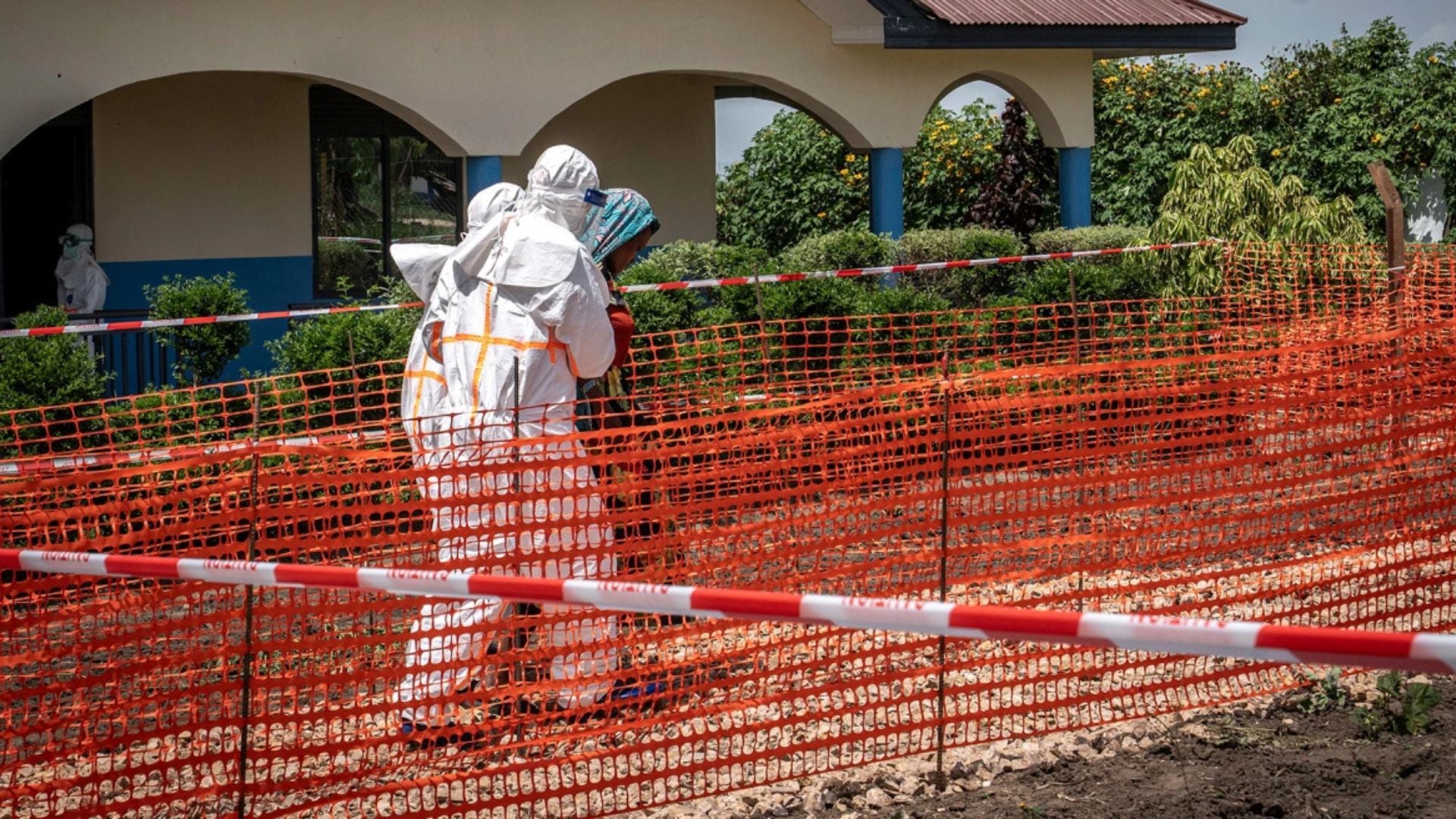
Heavy toll and spread into a seventh province
The disease was officially declared in mid-May as the country’s 17th Ebola outbreak. Since then, the spread has expanded mainly in the east and north, hitting isolated areas affected by unrest.
This week, the epidemic also spread into a seventh province, South Ubangi, on the border with the Central African Republic and Congo-Brazzaville. This expansion makes it even harder to support claims that the situation is under control.
Government speaks of a decline, but conditions on the ground remain problematic
According to government spokesman Patrick Muyaya, the epidemic’s peak was passed at the beginning of the third week of August and indicators point to a drop in new cases.
He said that in 10 of the 61 affected health zones, no new cases have been recorded for at least 21 days. However, the high number of infections itself and the widening map of transmission raise questions about the authorities’ real capacity to contain the epidemic.
Ituri remains the epicenter of the crisis
The northeastern province of Ituri continues to be the main center of the outbreak, with the vast majority of confirmed cases. It is precisely in these areas that the health response has not been sufficient to contain the spread.
Ebola has killed more than 15,000 people in Africa over the past 50 years, while the current outbreak is considered among the most serious the country has seen.
Alarm in schools and shortage of health staff
Cases reported in schools, just days before the start of the new school year, have increased fear among parents and education staff. The concern is linked to uncertainty over the health status of families and children’s contacts.
In some schools, basic measures have been introduced, such as mandatory handwashing with soap and limiting the number of students in classrooms. But agencies involved in the epidemic response say funding remains insufficient for the isolation and monitoring of patients.
The WHO has estimated that another 5,000 health workers are needed to deal with the crisis.
No approved treatment for the current variant
Different vaccines and treatments are being tested against the Budibugio strain of the virus, considered responsible for the current epidemic. So far, there is no approved preparation for this variant.
This makes managing the situation on the ground even more complicated in a country that has previously gone through severe Ebola episodes. The 2018-2020 outbreak caused nearly 2,300 deaths from around 3,500 cases.
Although the government in Kinshasa is trying to send reassuring signals, the scale of the toll, the geographic expansion of the epidemic and the lack of resources show that the crisis remains far from over.
For families, schools and the health system in the affected areas, the risk remains direct and very real.