
The fight against Ebola in the Democratic Republic of Congo is entering another critical phase: not only because of the virus, but also because of blocked payments for those working on the front line. Health workers are warning of a boycott, raising serious questions about the institutional management of an emergency that, according to official figures, has affected thousands of people and left more than 1,000 dead.
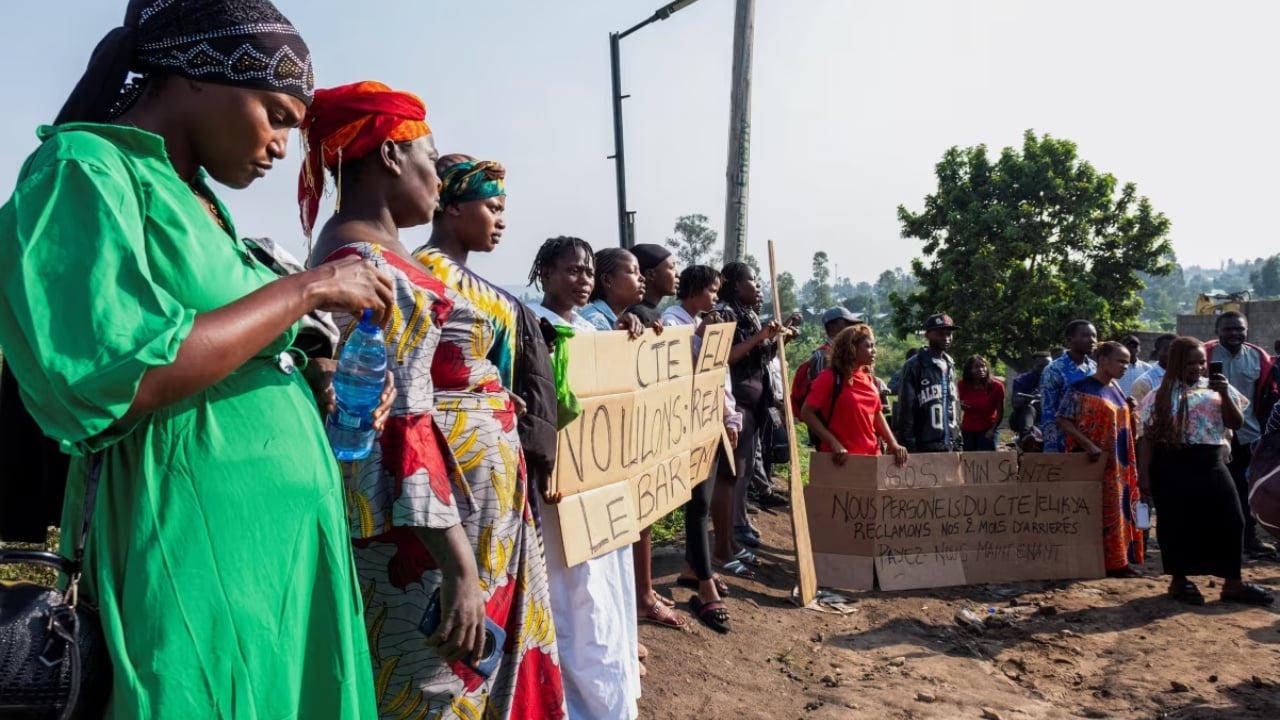
Front-line workers: high risk, blocked wages
At the Elikya Ebola treatment center in Bunia, medical staff say they are facing not only the daily risk of infection, but also a lack of payment for months on end.
Nurse Micheline Kayimpa, who has worked there since June, said she still has not received her salary. She warned that she may leave her job if the situation does not change, an alarm signal for a system that demands sacrifice but does not guarantee the minimum financial support for staff.
Heavy toll and overstretched capacity
According to data from Congo’s Ministry of Health, the current Ebola outbreak has affected thousands of people and caused more than 1,000 deaths. The World Health Organization has described it as one of the largest outbreaks reported in the country.
At the Bunia center, workers report full capacity and staff shortages. According to their accounts, in many cases only a few nurses must care for a large number of critically ill patients, making the situation even more fragile.
Mistrust on the ground and pressure on medical teams
The crisis is not limited to hospitals and treatment centers. Medical teams have also faced attacks from local communities, in a climate marked by mistrust and misinformation about the disease.
This double pressure — the risk from the virus and insecurity on the ground — is further worsening the work of staff, who are demanding not only payment, but also support and protective equipment.
The official version on the delays and MSF’s clarification
Congolese authorities have acknowledged the delays in payment, but have justified them with the staff verification process and administrative procedures. According to the official version, payments will be made to registered workers.
Meanwhile, Doctors Without Borders, which manages several Ebola treatment centers, clarified that the protests are not related to its own payments, but to compensation that should come from the government. That shifts responsibility to the state administration at a moment when any work stoppage could have direct consequences for the spread of the virus.
The boycott warning comes at a delicate stage of the outbreak, when administrative delays and lack of support could produce consequences beyond a wage dispute.
When the staff carrying the burden of the emergency remain unpaid, the health crisis risks turning into a crisis of trust in the institutions that claim to be managing it.