
PD MP Saimir Korreshi has sharply criticized the government’s initiatives to expand the use of artificial intelligence in institutions, contrasting promises of technology with the conditions he said exist on the ground, especially in rural areas and in healthcare services.
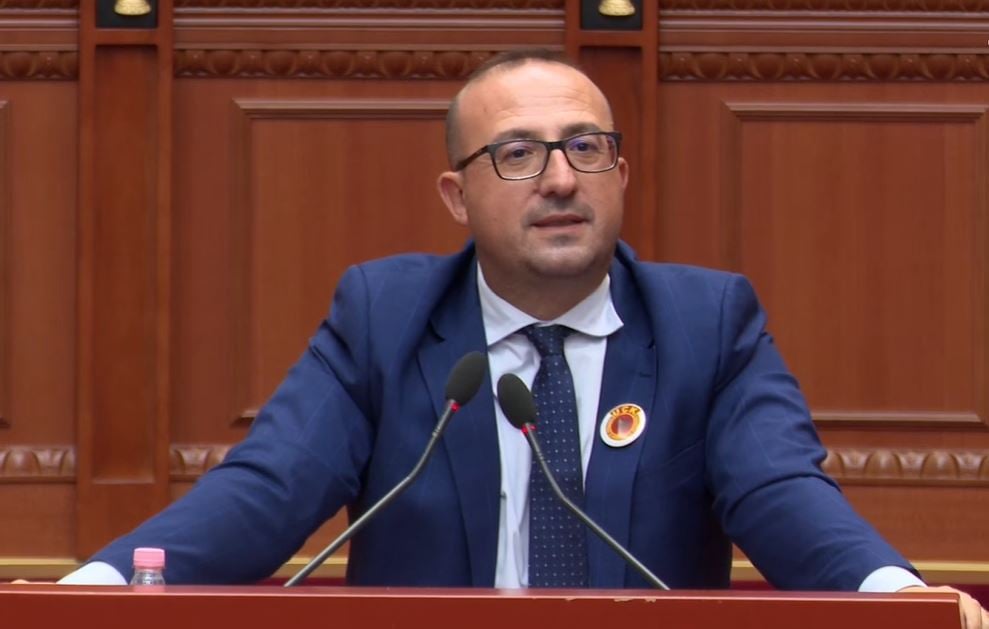
Irony toward promises of technology
Korreshi said that in many village areas, reality remains far removed from any discourse on artificial intelligence. At the core of his reaction was the gap between propaganda about modernization and the lack of basic means for citizens and staff on the ground.
In ironic tones, he presented it as impossible for the system to function normally when, according to him, people in villages still face elementary difficulties and a lack of infrastructure.
Healthcare at the center of the criticism
One of the strongest points in the MP’s statement was the situation in health centers. According to him, these facilities lack even minimum conditions, including lighting and electricity, making it absurd to claim that nurses or doctors can easily use digital systems to manage visits.
He raised direct questions about how staff would log into the system when the material base, according to the version he presented, remains an unresolved problem.
Attack on other public systems as well
Korreshi expanded his criticism to the functioning of other state services, mentioning the Cadastre and technical problems that, according to him, have paralyzed work for long periods.
Along the same lines, he also mocked projects presented as a “Smart City,” suggesting that technological slogans are being used much faster than real capacities are being built to support them.
Doubts also over personal data
At the end of his reaction, the opposition MP also touched on the issue of personal data, expressing concern about the spread of cameras and the collection of information on citizens.
His statement came as open opposition to the way the government is selling digitalization: as rapid modernization, while the opposition is portraying it as a facade that collides with basic shortages on the ground.
The clash over artificial intelligence and digitalization is shifting the debate beyond technology to the simplest question: does the state have the minimum infrastructure to make these promises functional?
When basic shortages in healthcare and public services are being denounced on the ground, the rhetoric of modernization remains subject to the test of facts, not slogans.